Skip to Primary content Skip to Footer content

Hotel Troense, Signature Stays

  • Funen

Discover Hotel Troense

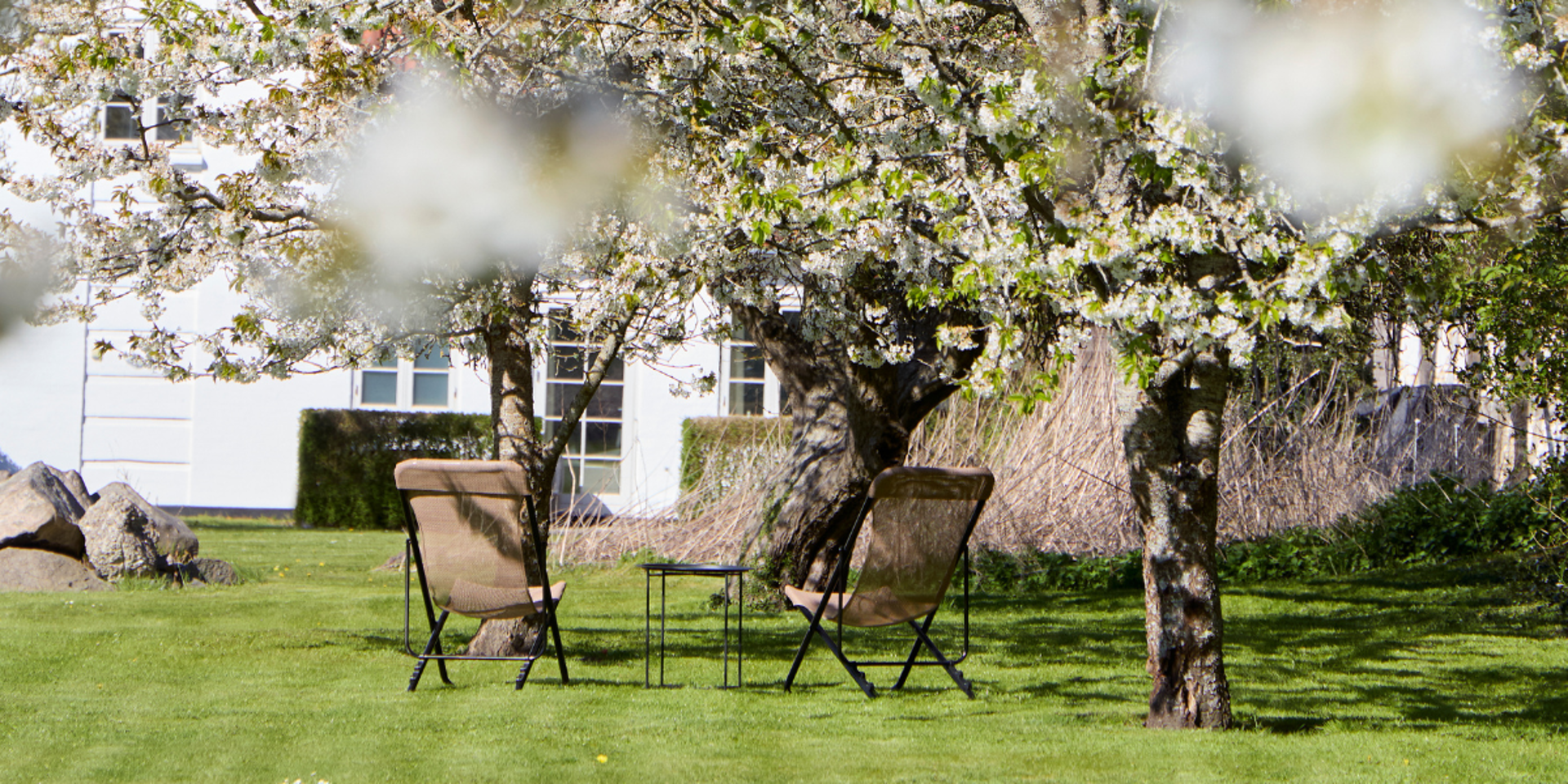
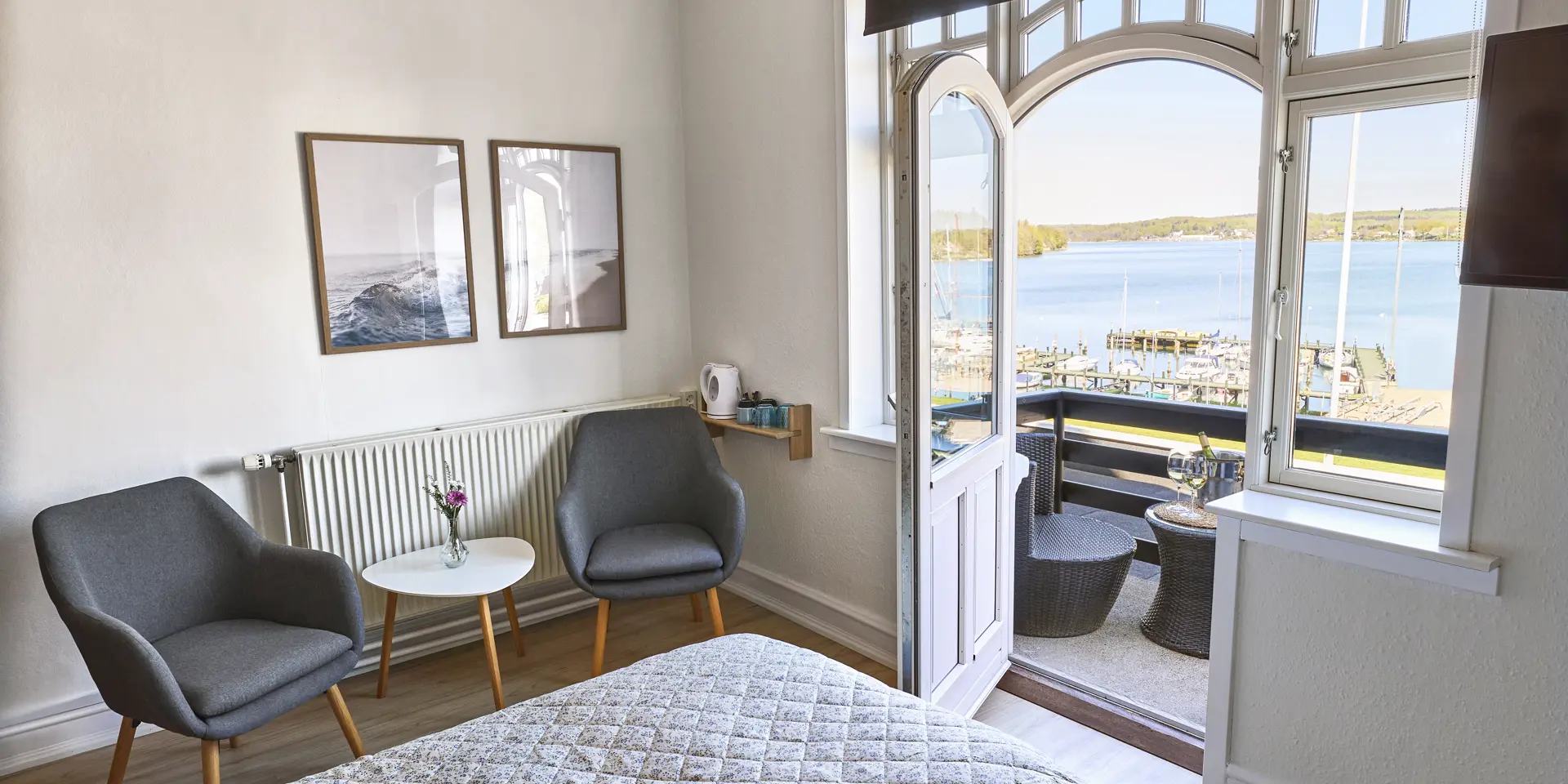
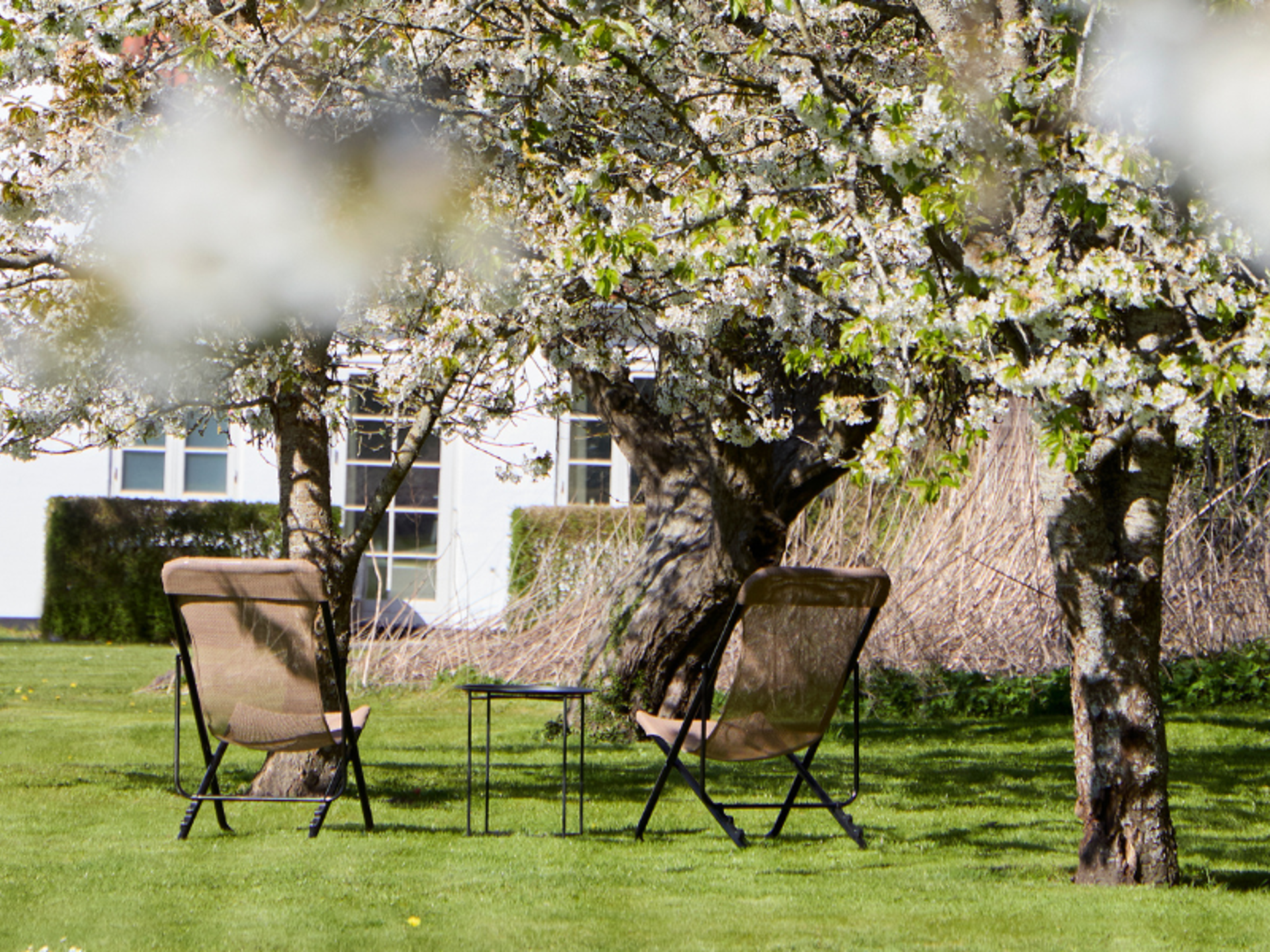
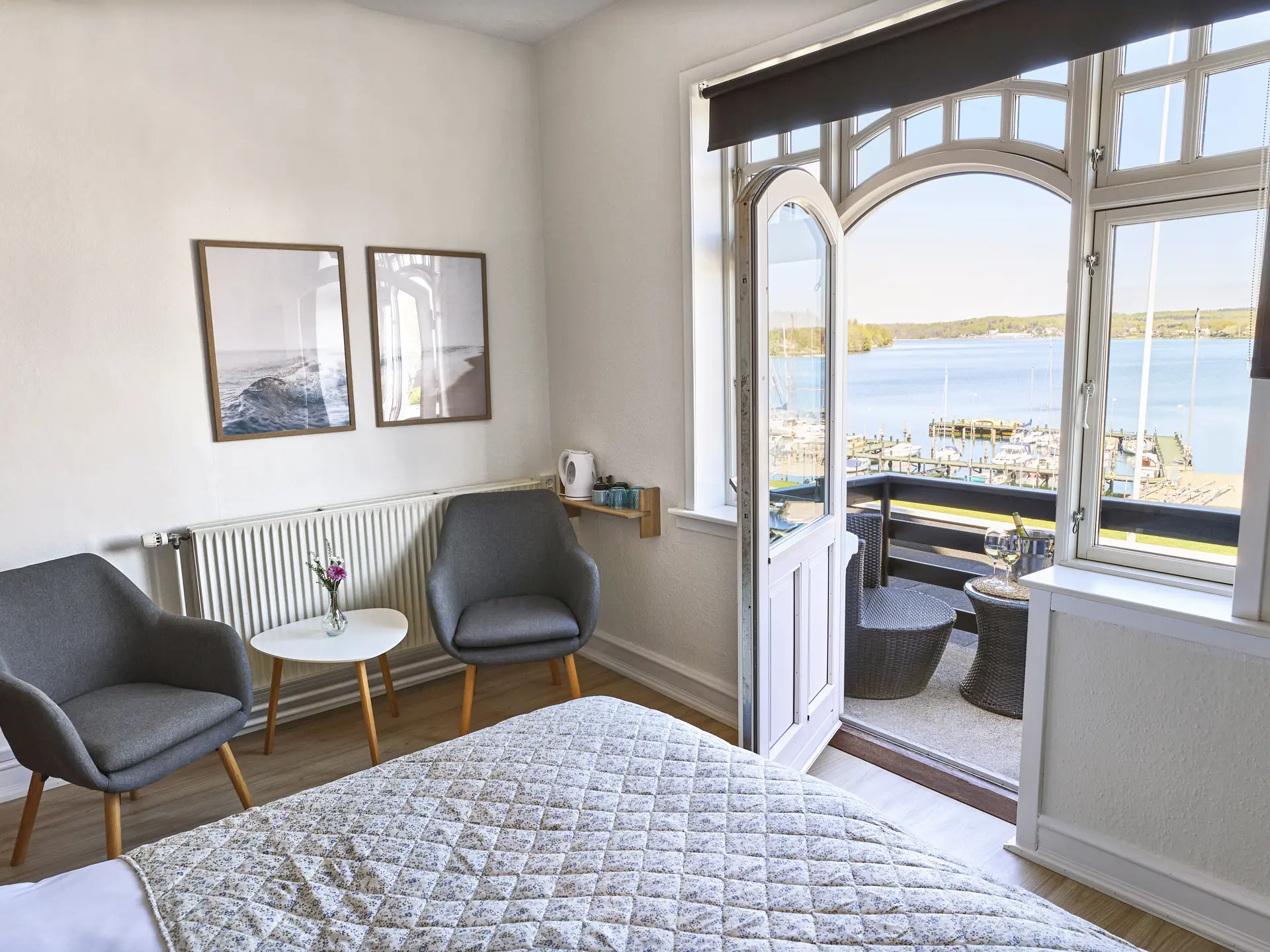
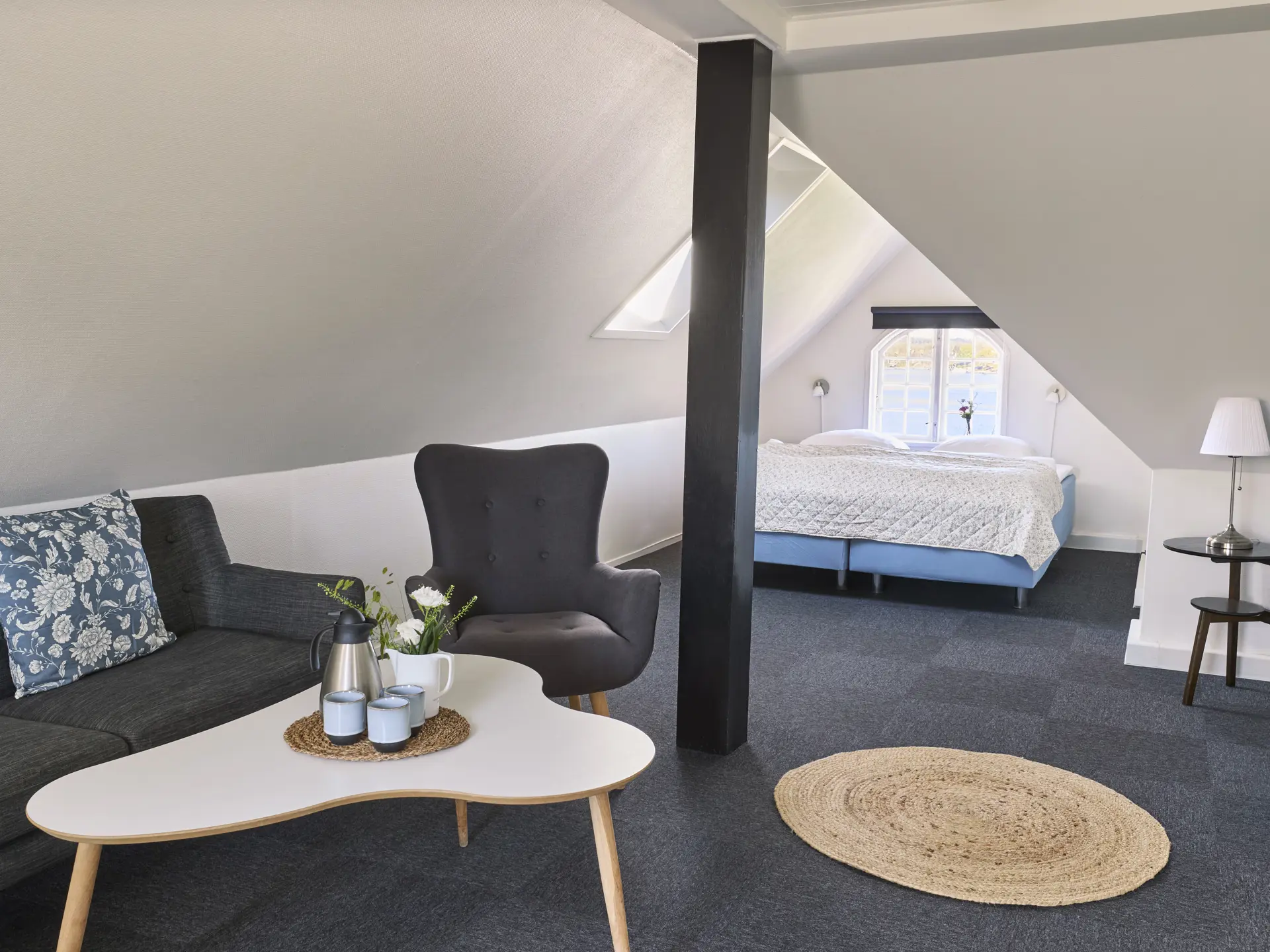
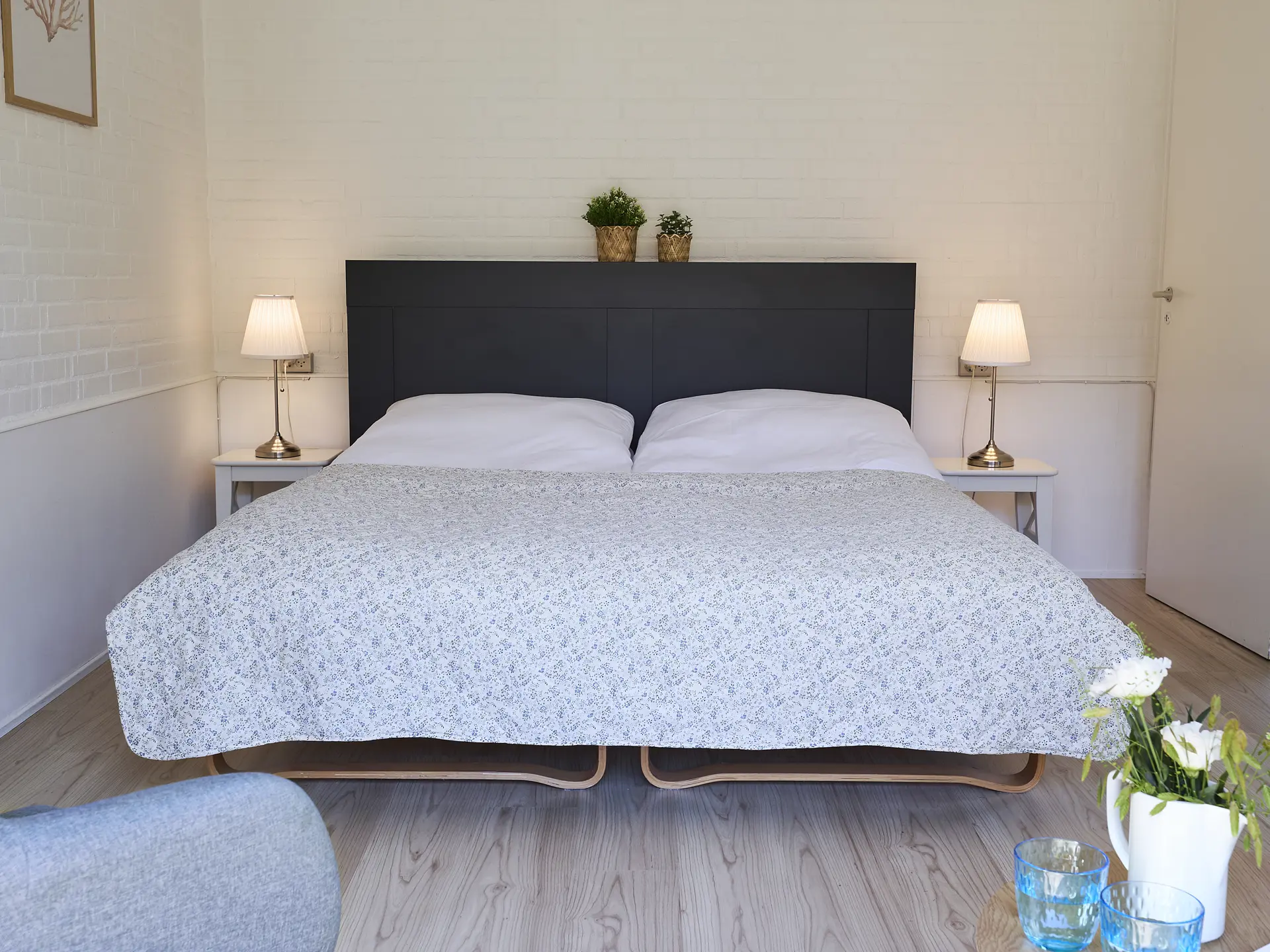
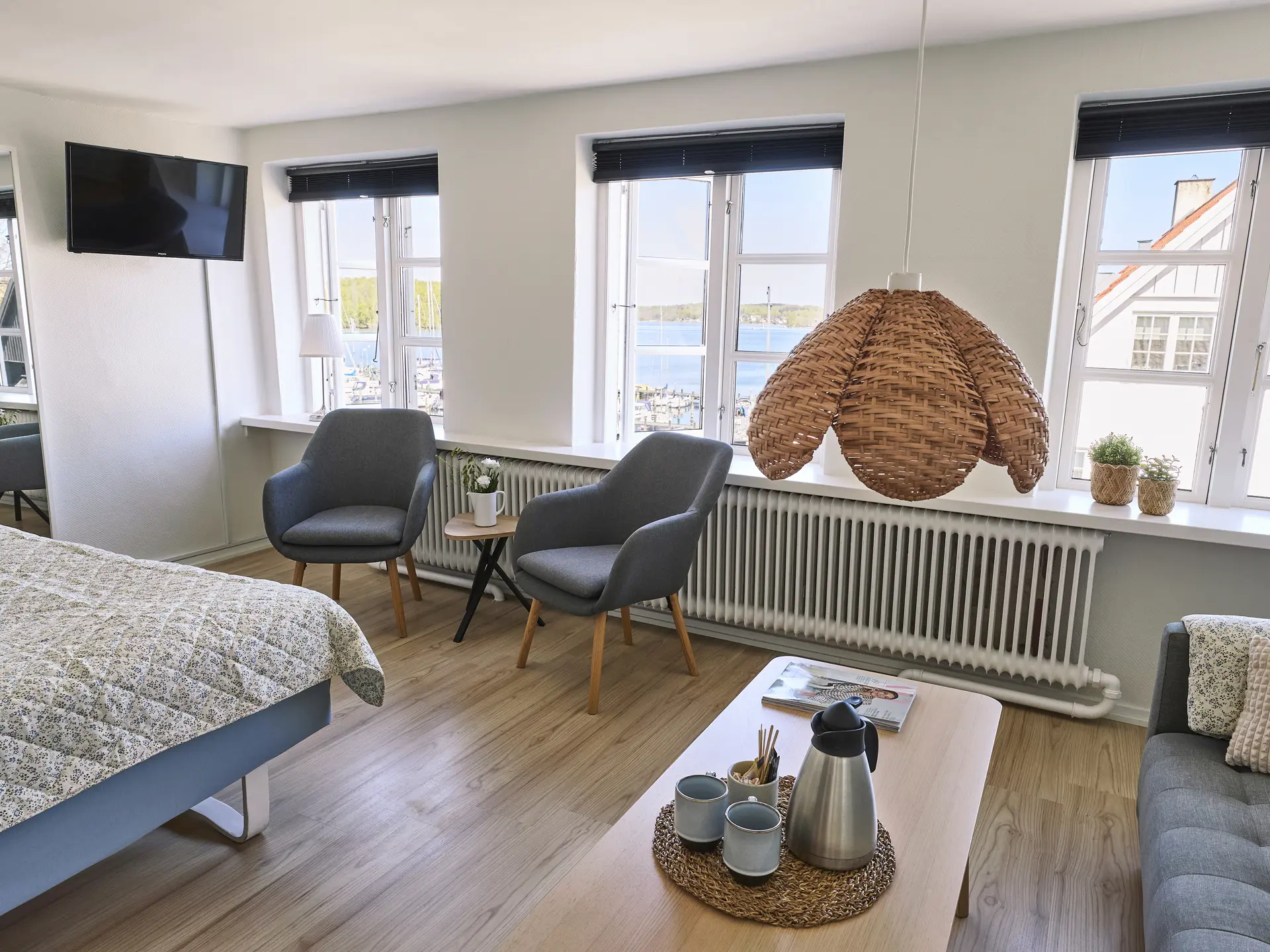
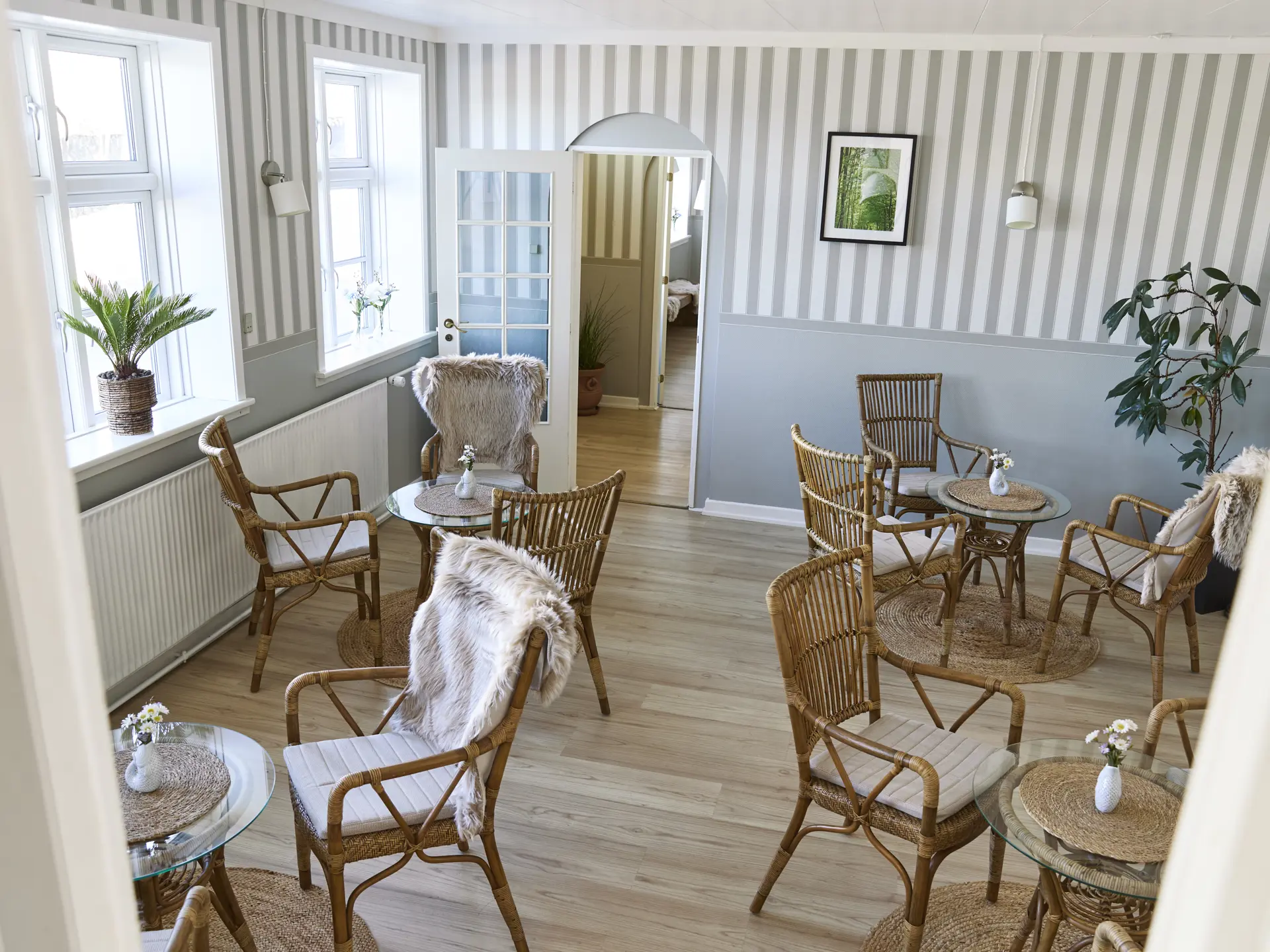
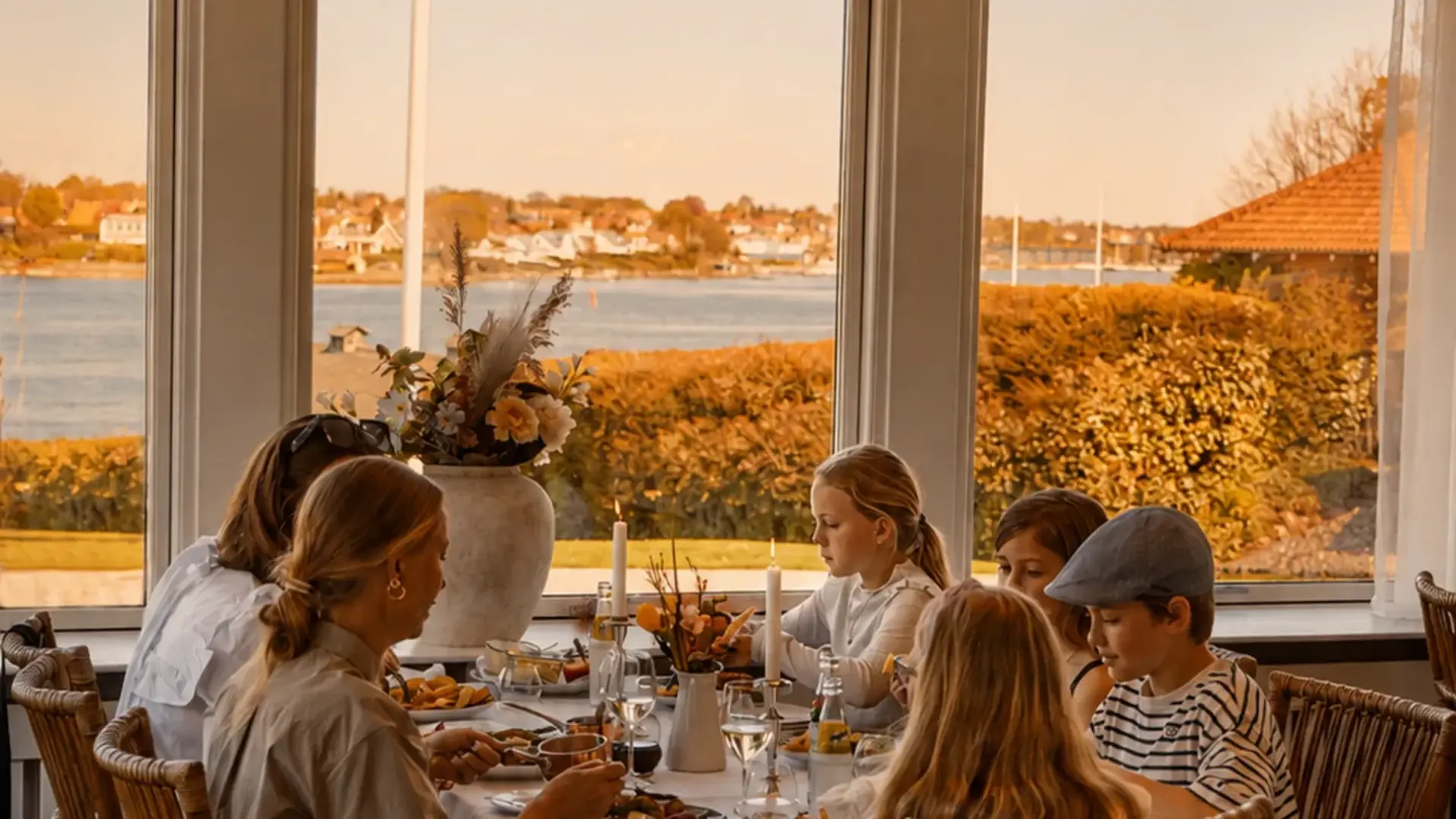
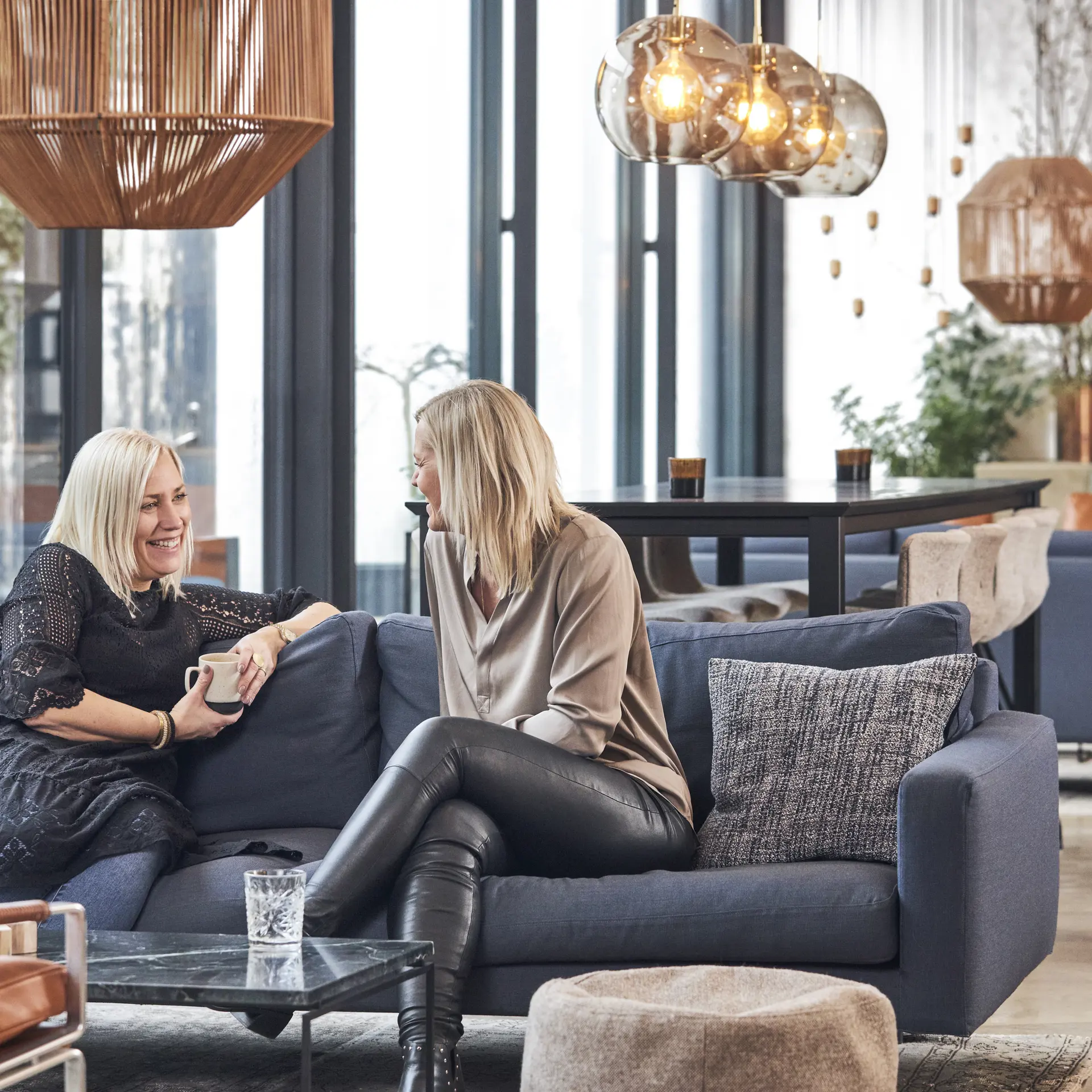
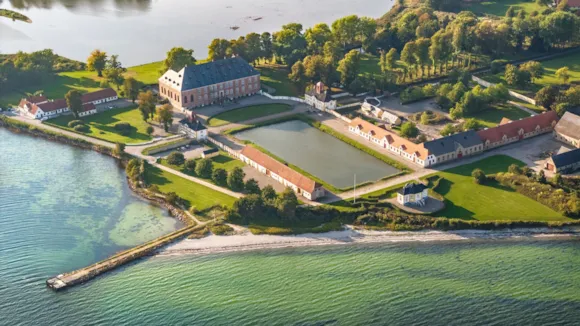
A charming seaside hotel in the heart of the South Funen. Surrounded by beautiful scenery and overlooking Svendborgsund, the hotel combines coastal charm, outstanding gastronomy and a relaxing atmosphere.

Strandgade 5-7, 5700 Svendborg

Show map
Der er i øjeblikke ingen ledige ophold. Hold øje med denne side for ændringer.
Send an e-mail

Hotel Facilities

  • Free parking
  • Pets
  • Non smoking
  • Free wifi
  • Airport: 148 km
  • Train: 6,2 km
  • Beach: 2,9 km
  • Golf: 10,3 km
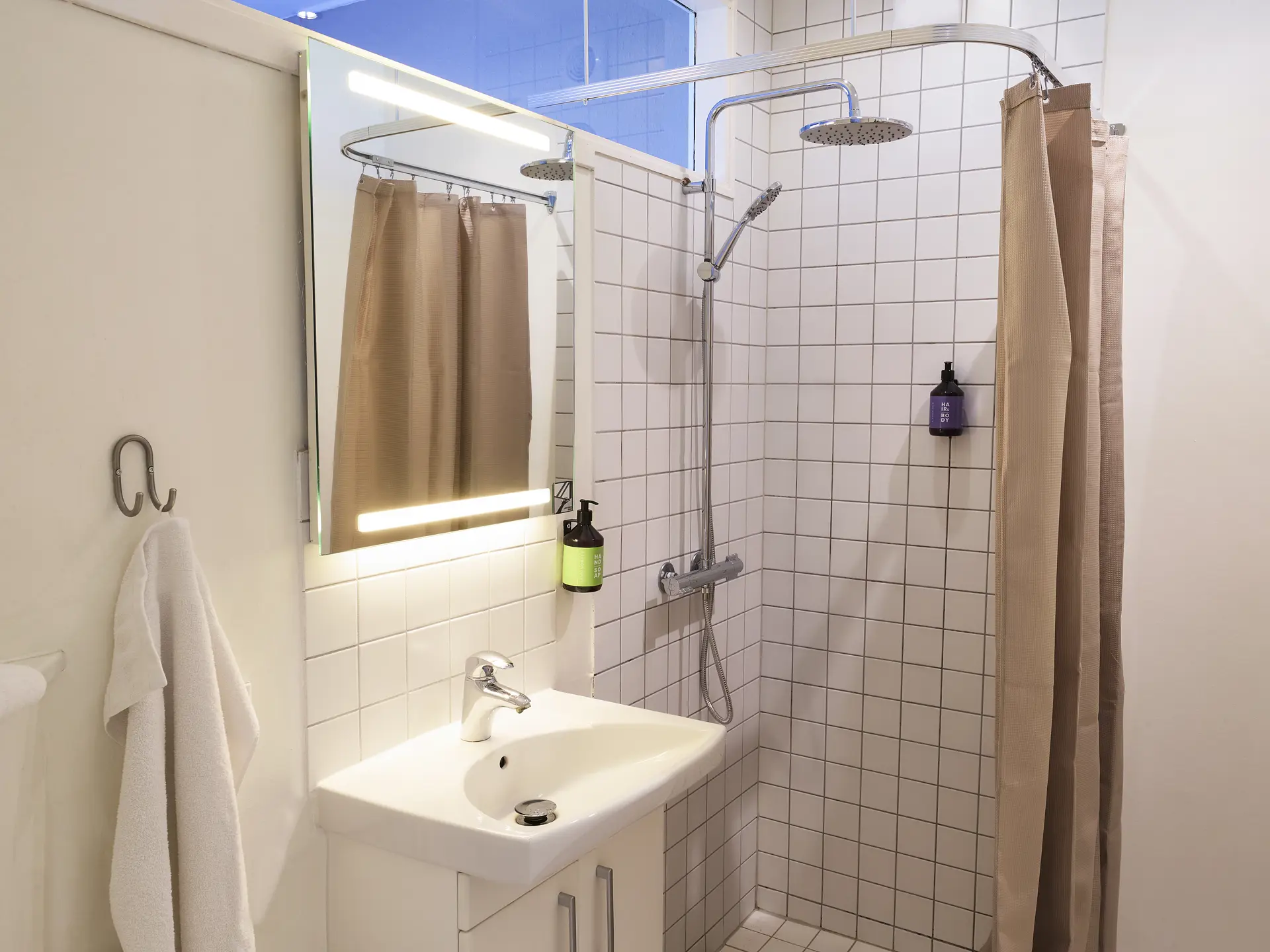
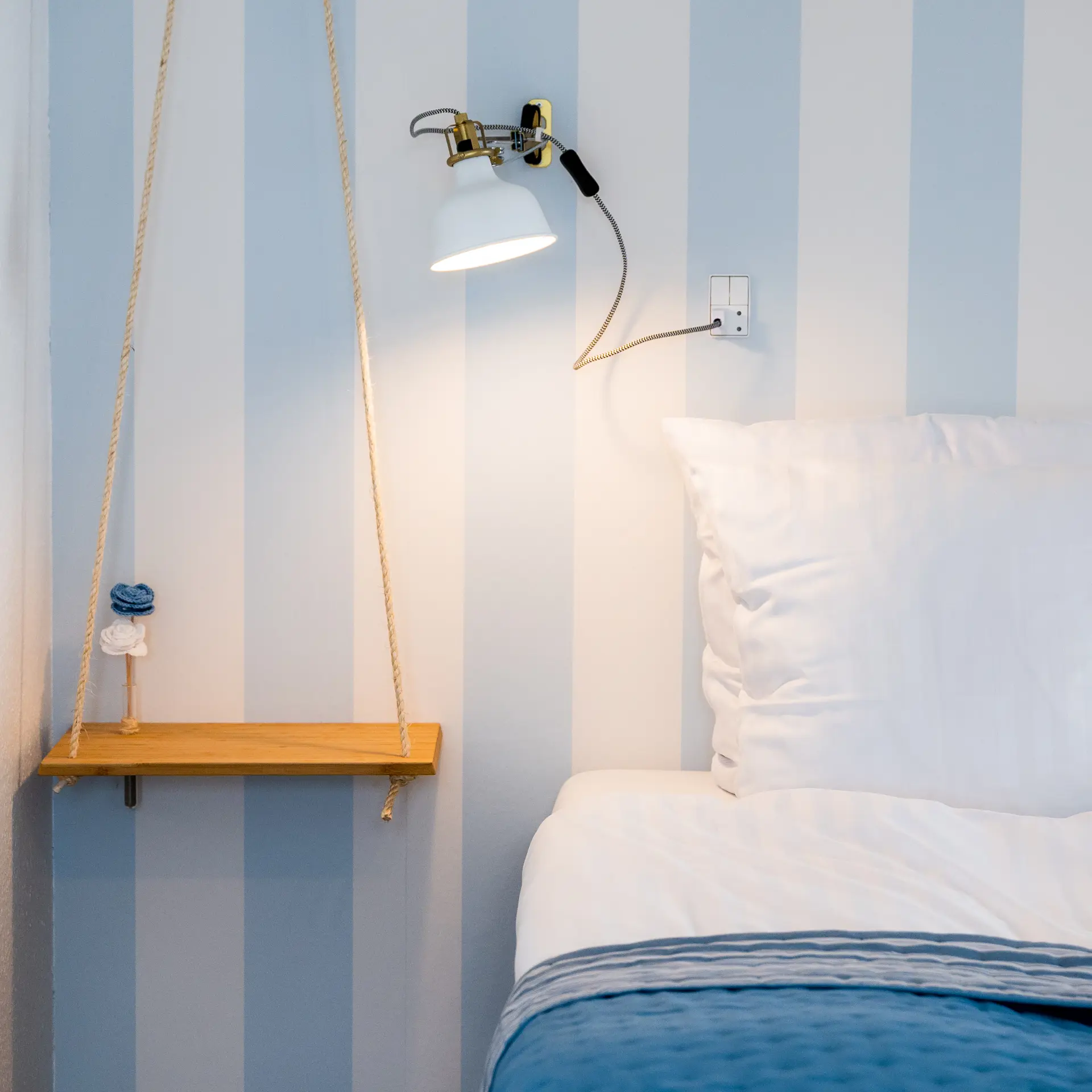
  • Rooms: 36

Idyllic surroundings

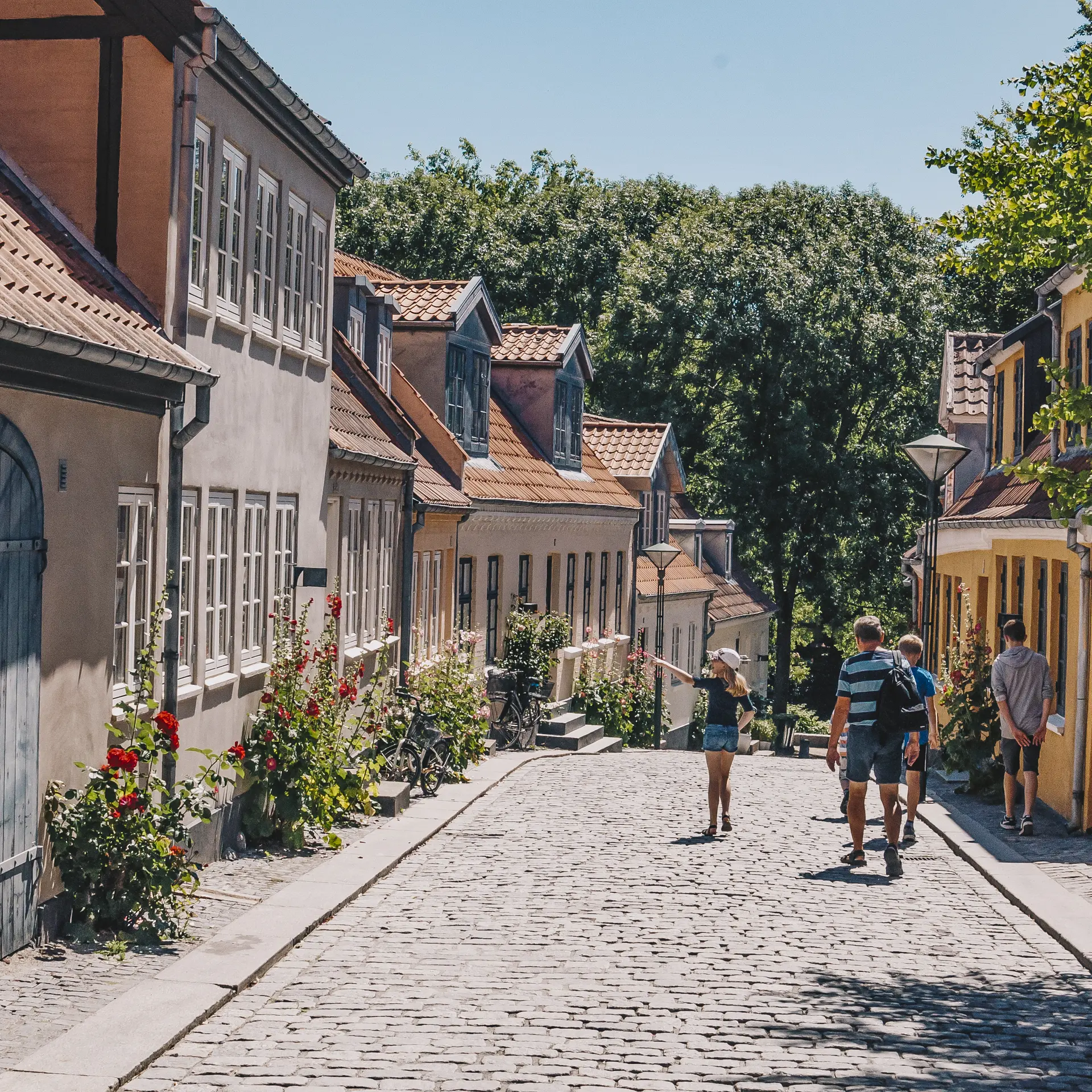
In the charming skipper village of Troense on the island of Tåsinge, a unique getaway awaits. With beautiful views of Svendborgsund on one side and picturesque streets lined with traditional half-timbered houses on the other, Troense is the perfect place to experience the peaceful charm of South Funen.

Time to relax by the water

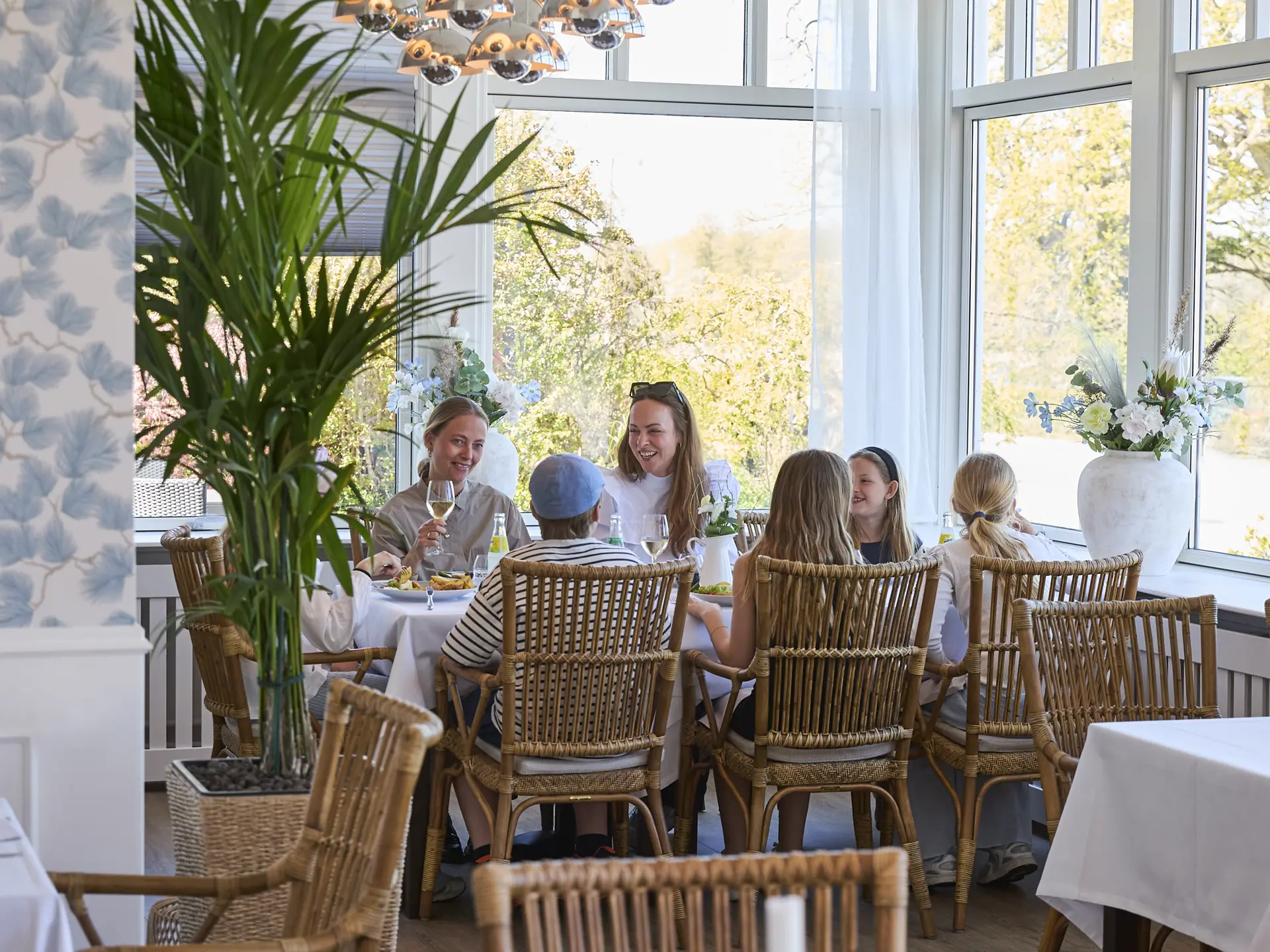
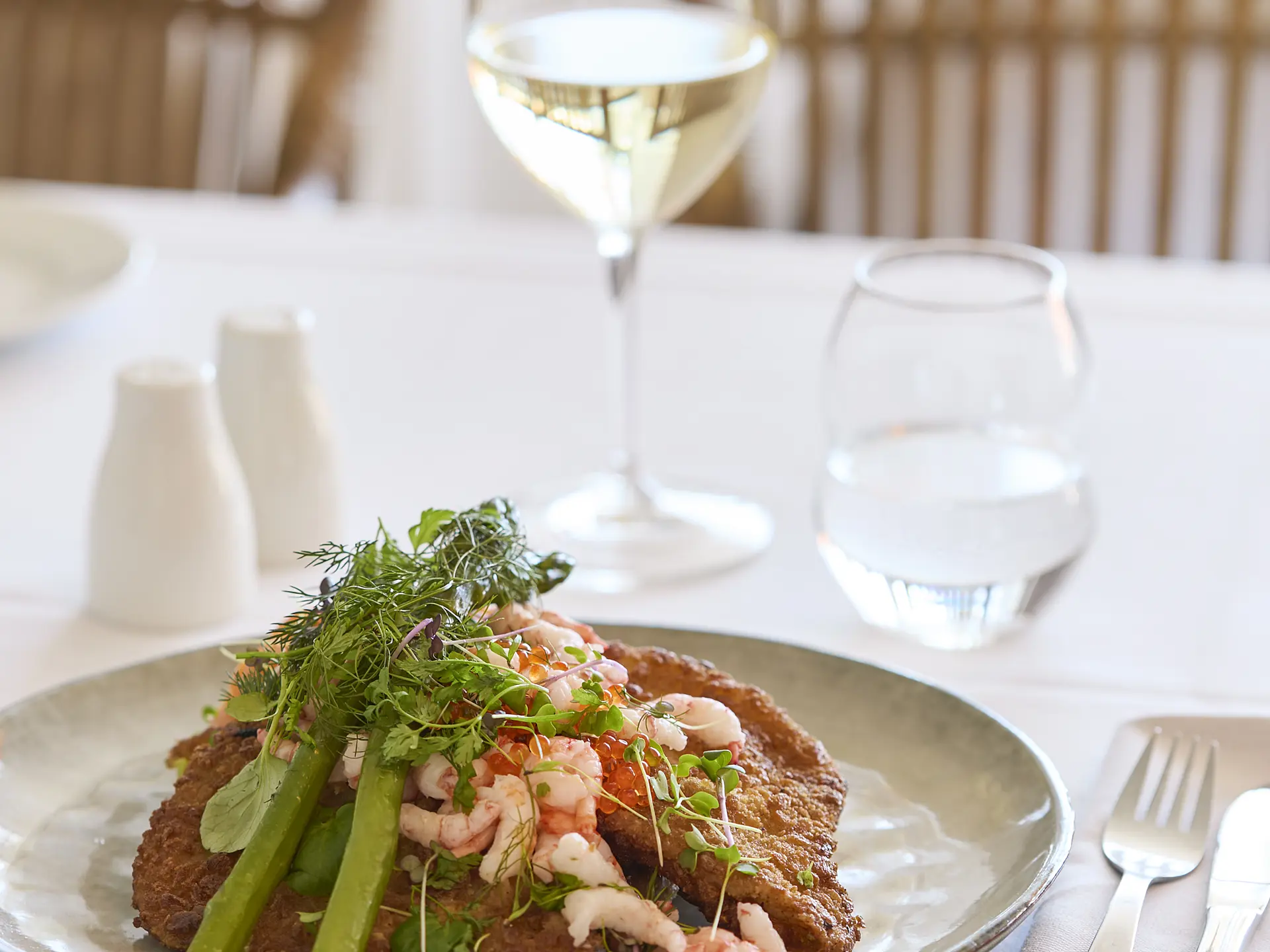
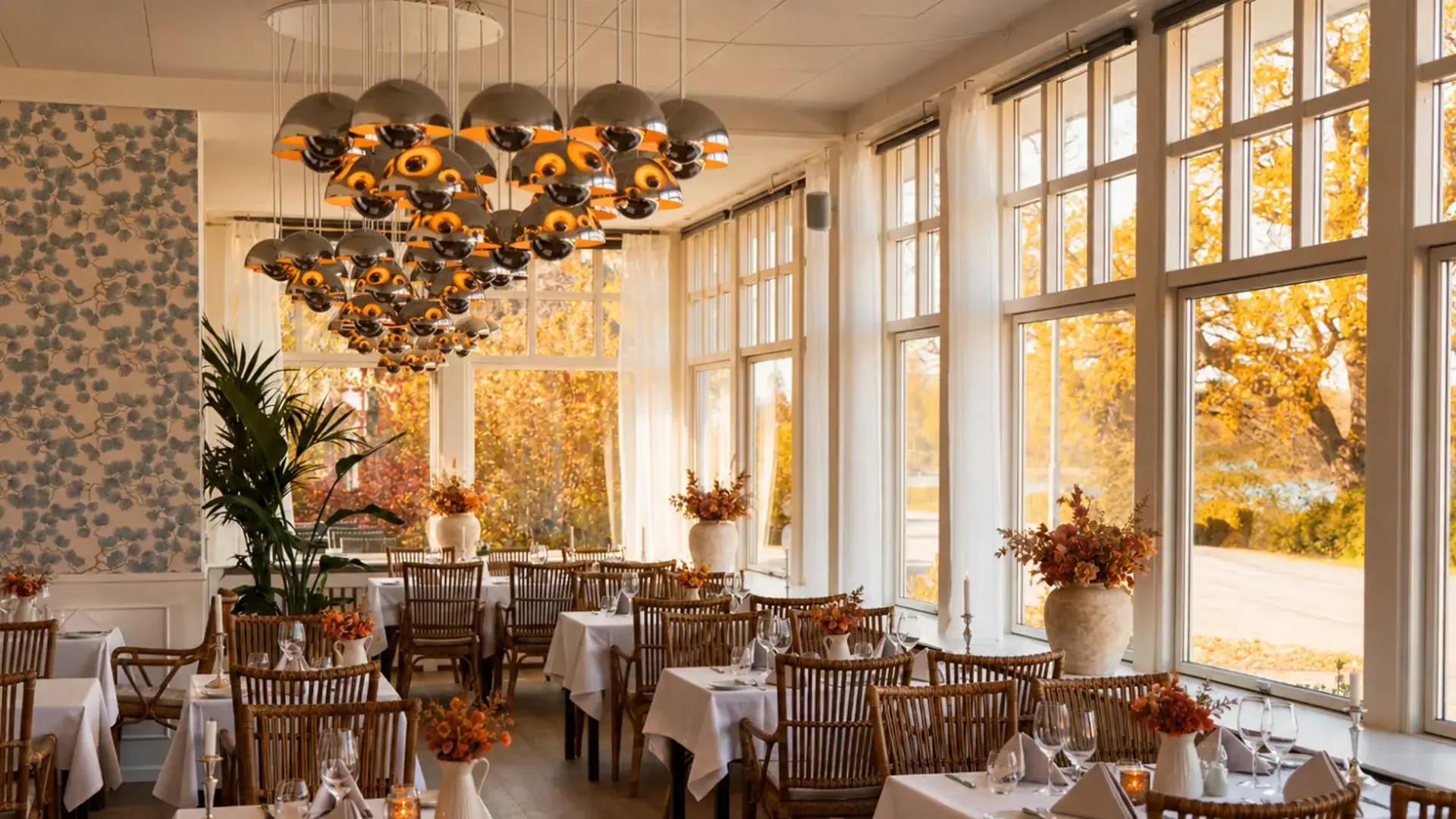
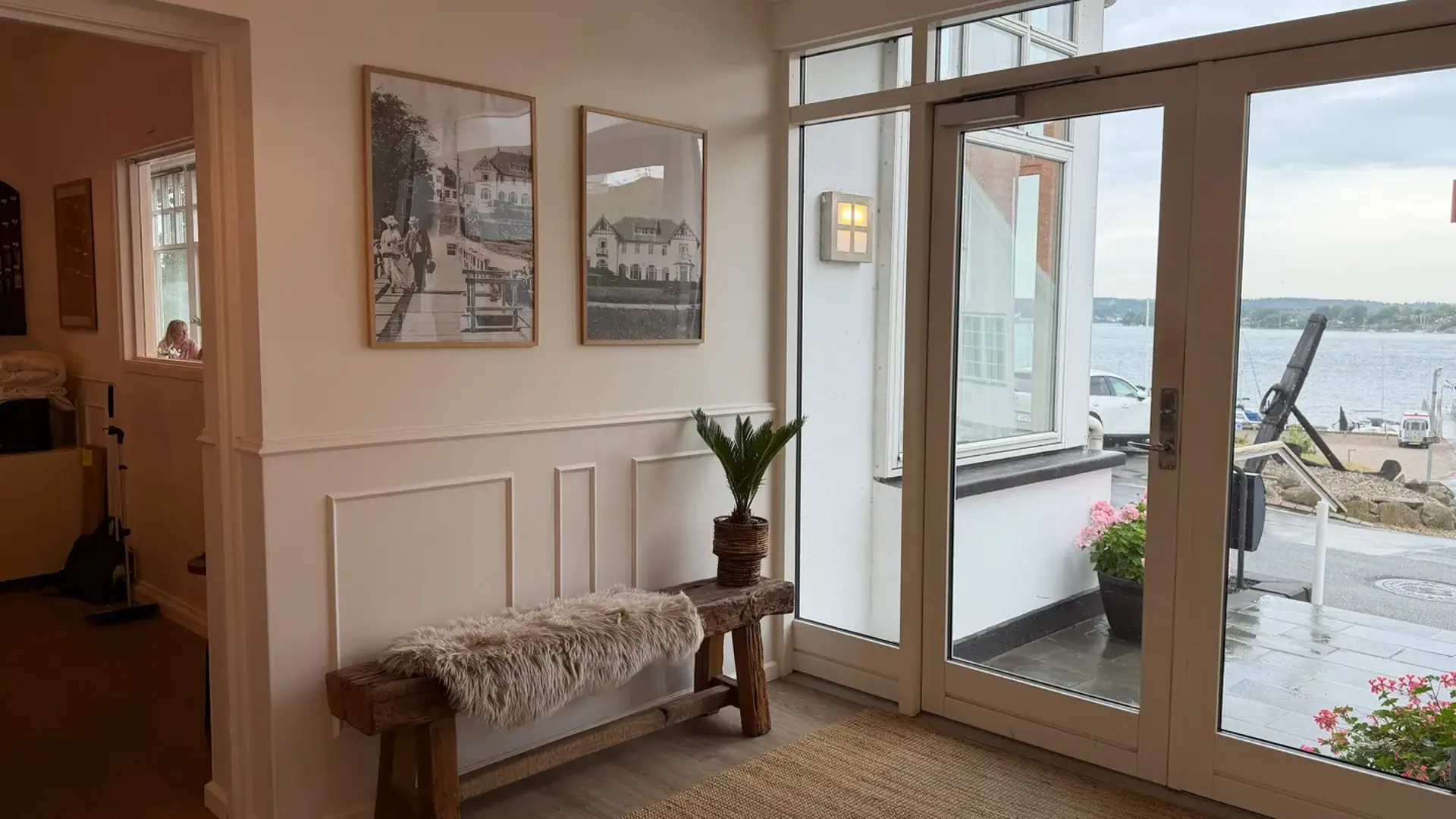
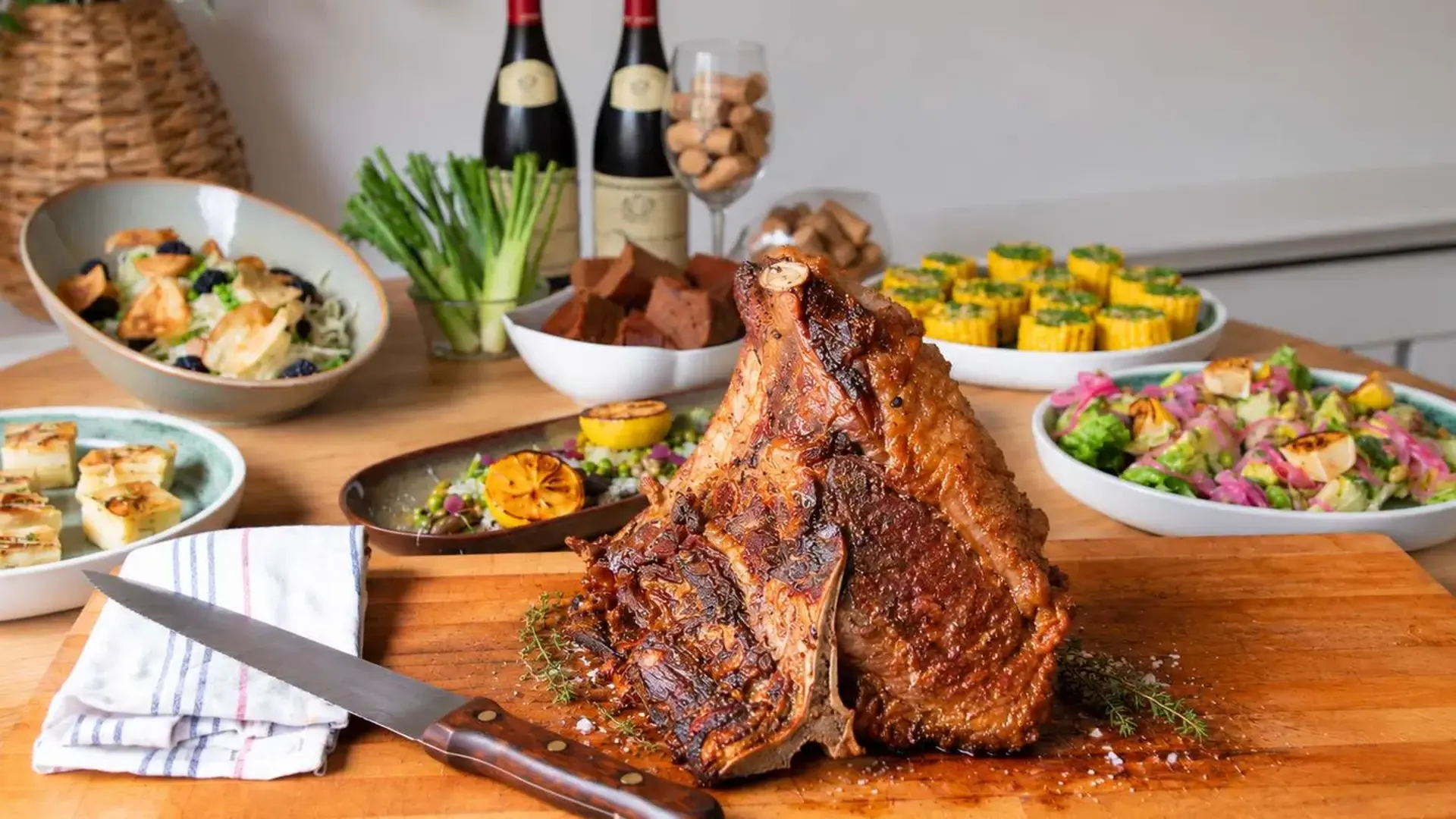
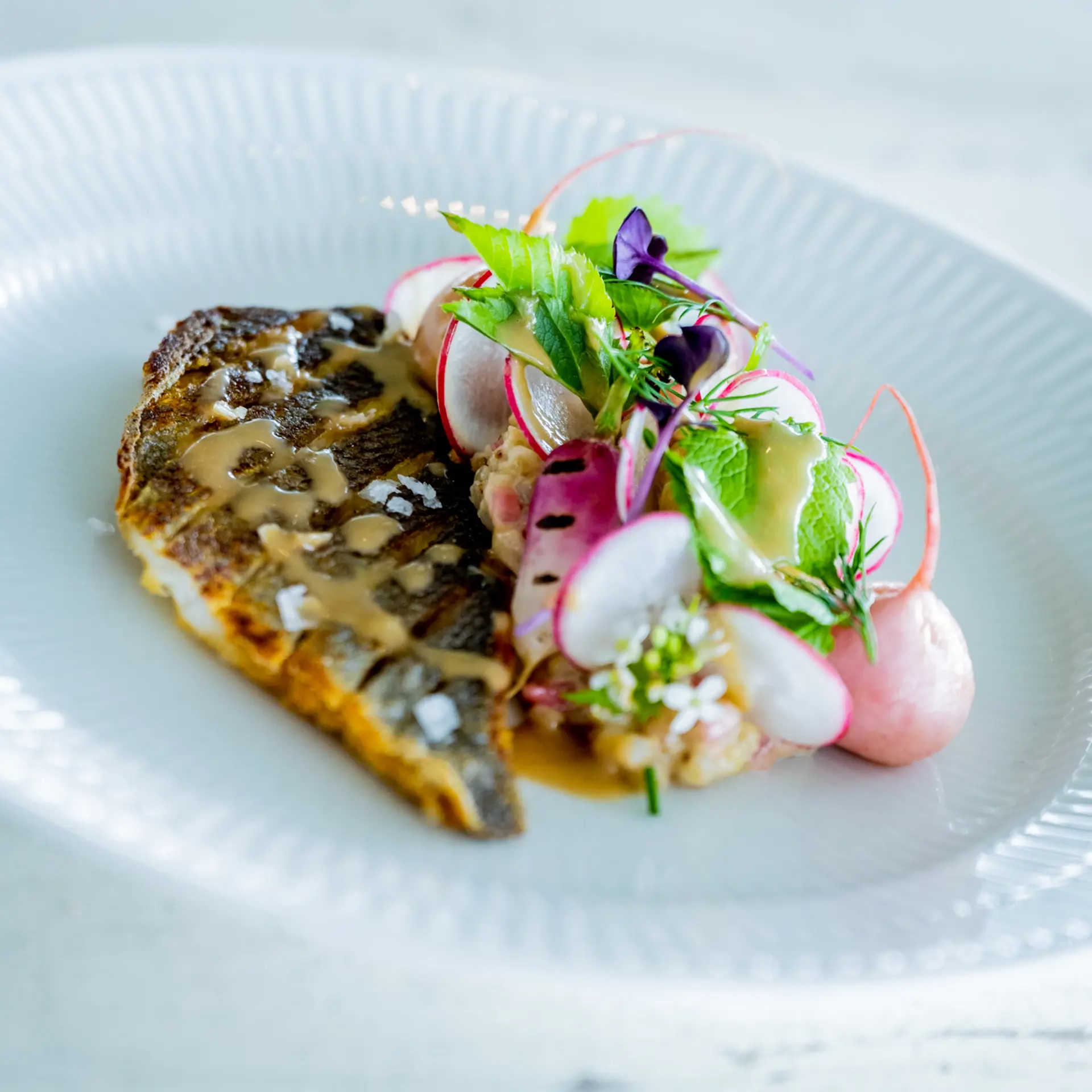
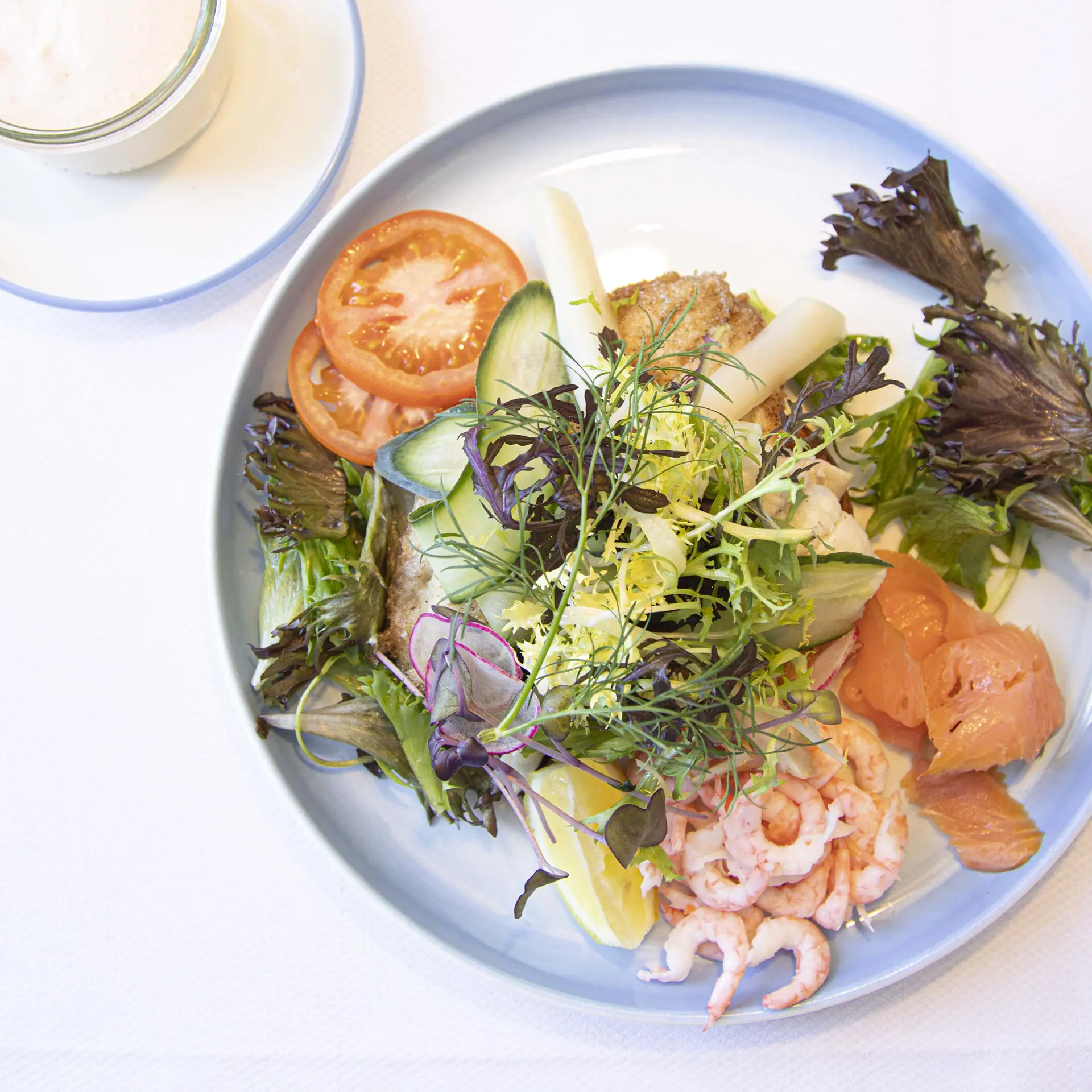
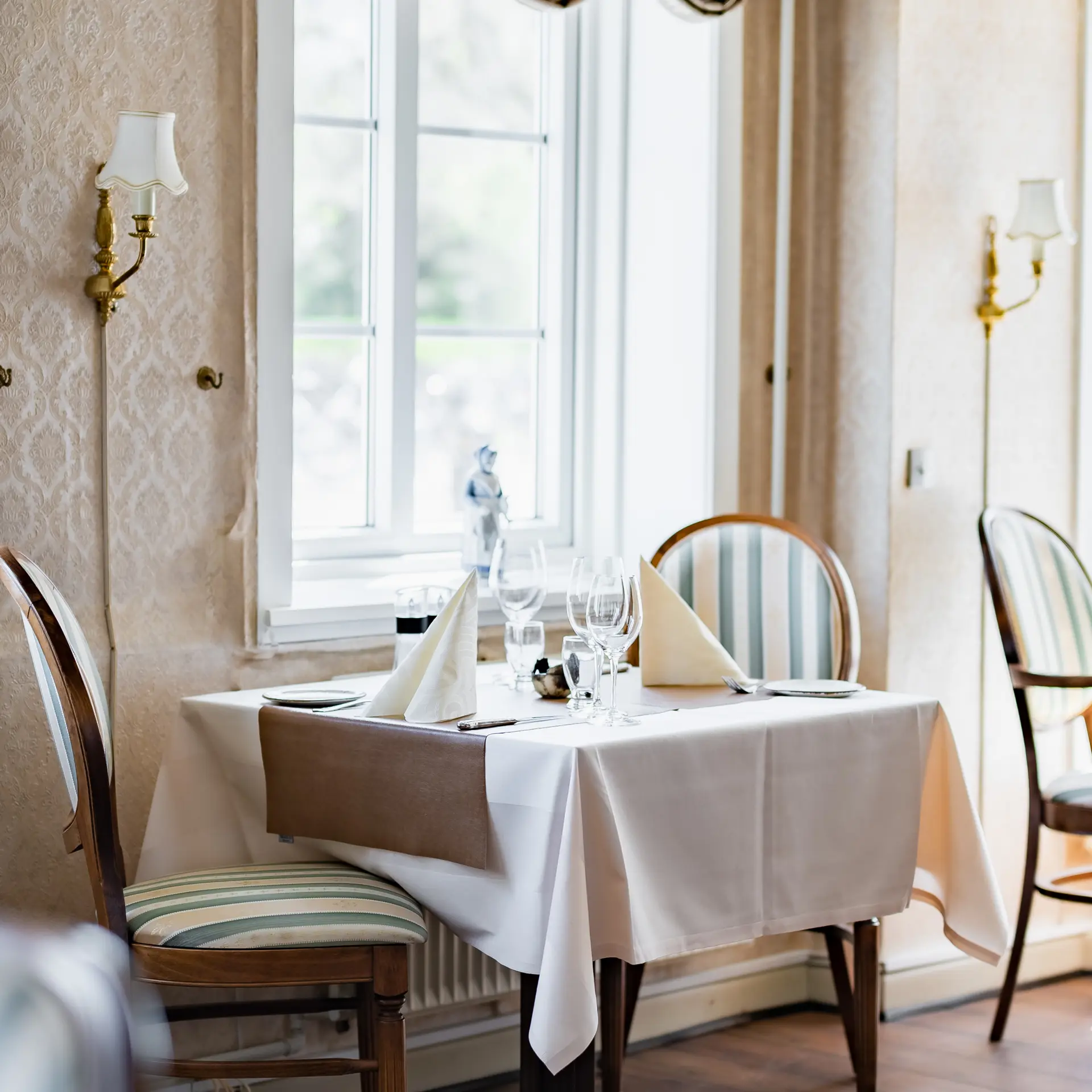
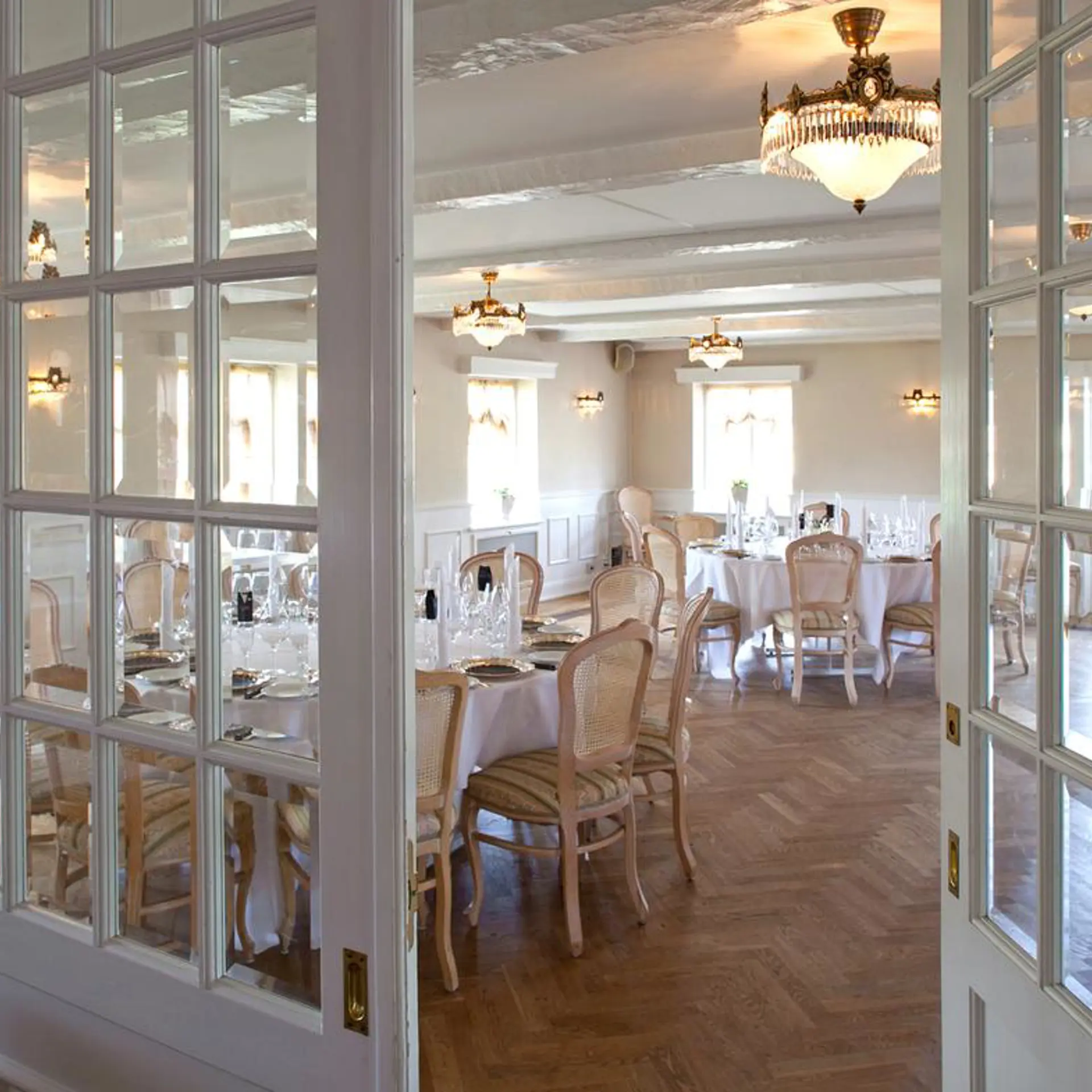
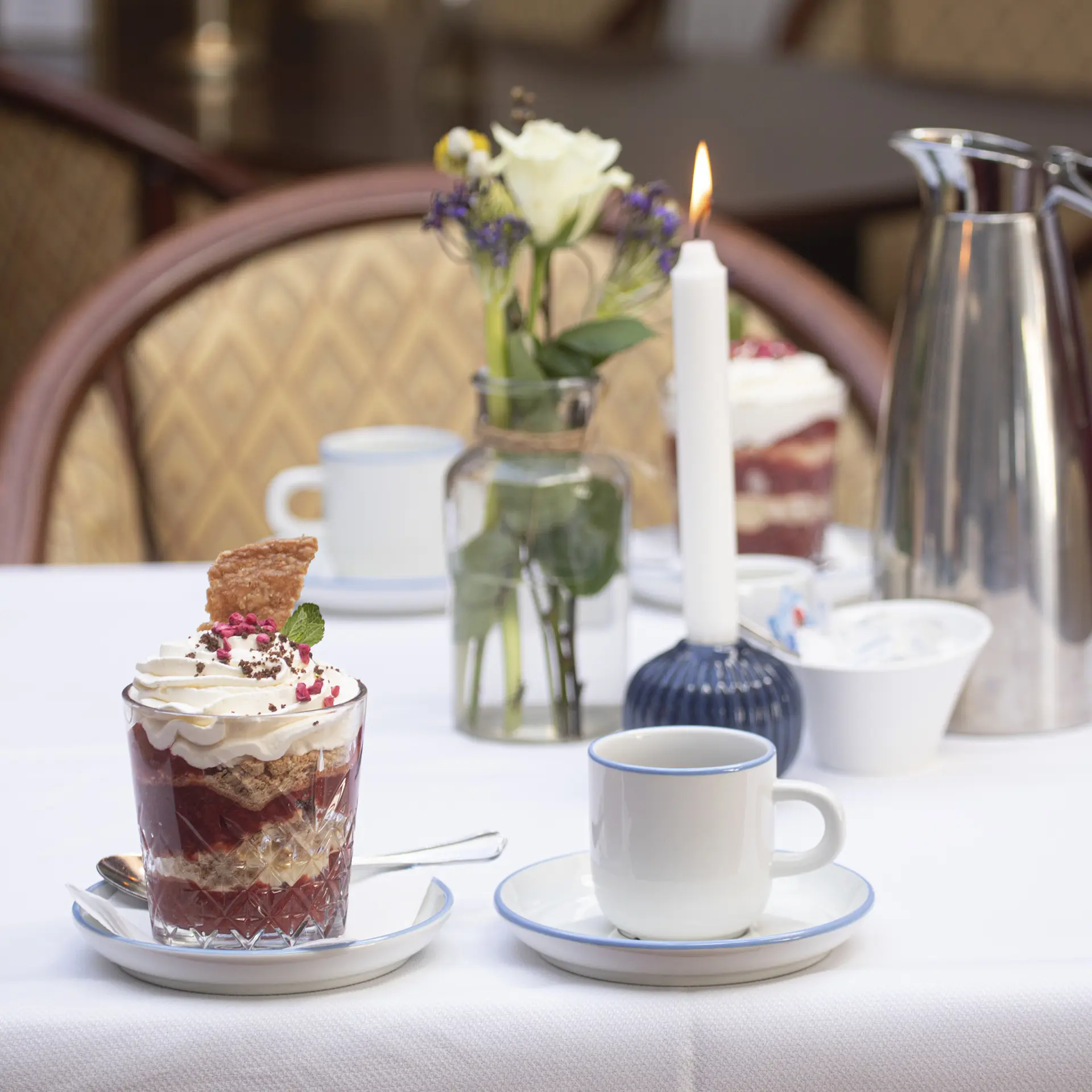
Located right by the waterfront, Hotel Troense is a seaside hotel where relaxation, nature and great food come together. From the hotel, it is just a short walk to the harbour and the village's cosy streets. In the restaurant, you can enjoy delicious dishes while overlooking the water and on sunny days, the terrace is the perfect place for a leisurely lunch, a glass of wine or simply taking in the view.

Explore the area

There is plenty to discover around Hotel Troense. Go for a walk or bike through the beautiful countryside, visit Valdemar's Castle, explore the local maritime surroundings or wander through the historic streets of Troense. Life moves at a slower pace here, making it easy to relax and enjoy the moment.

About the team

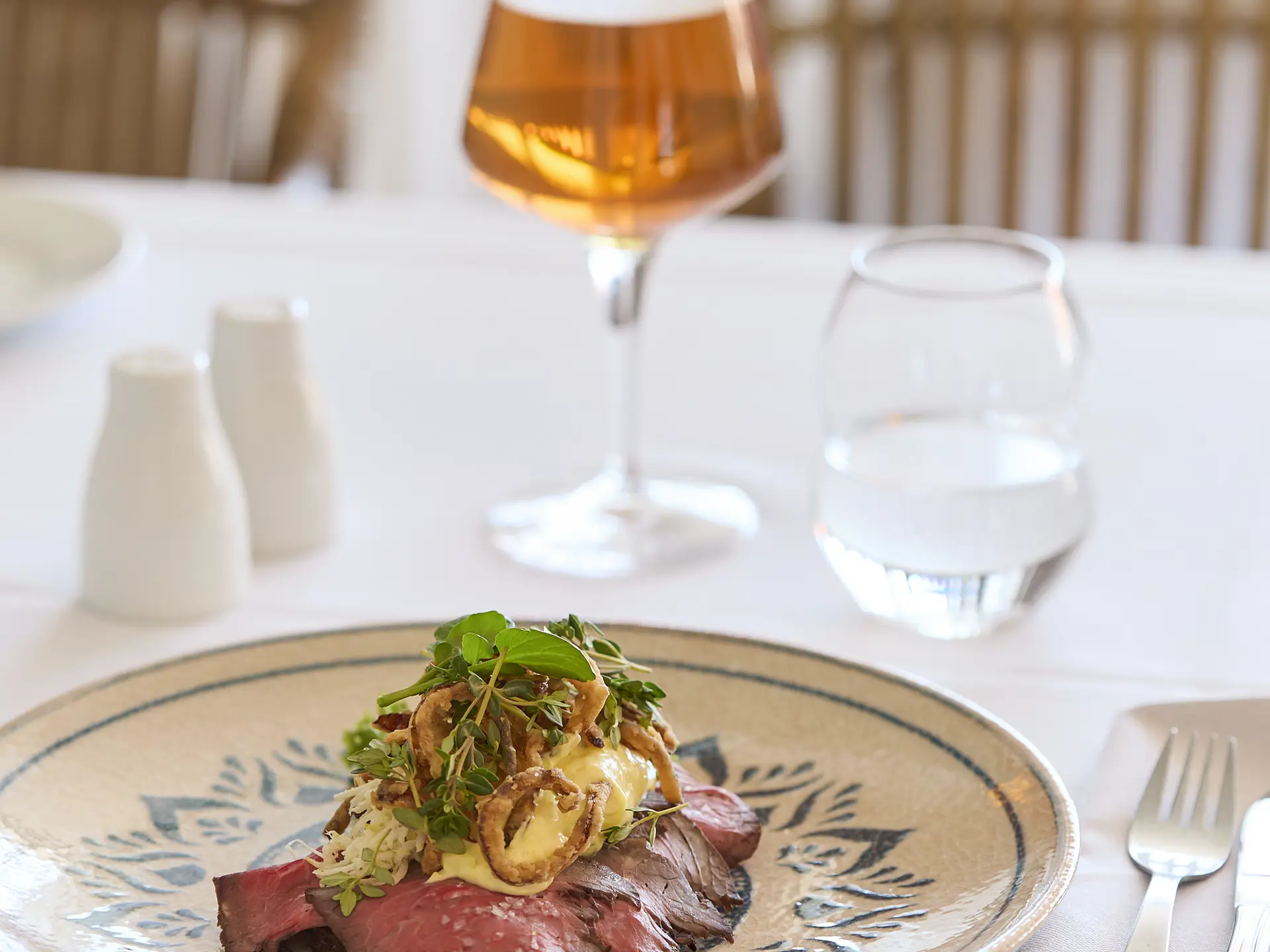
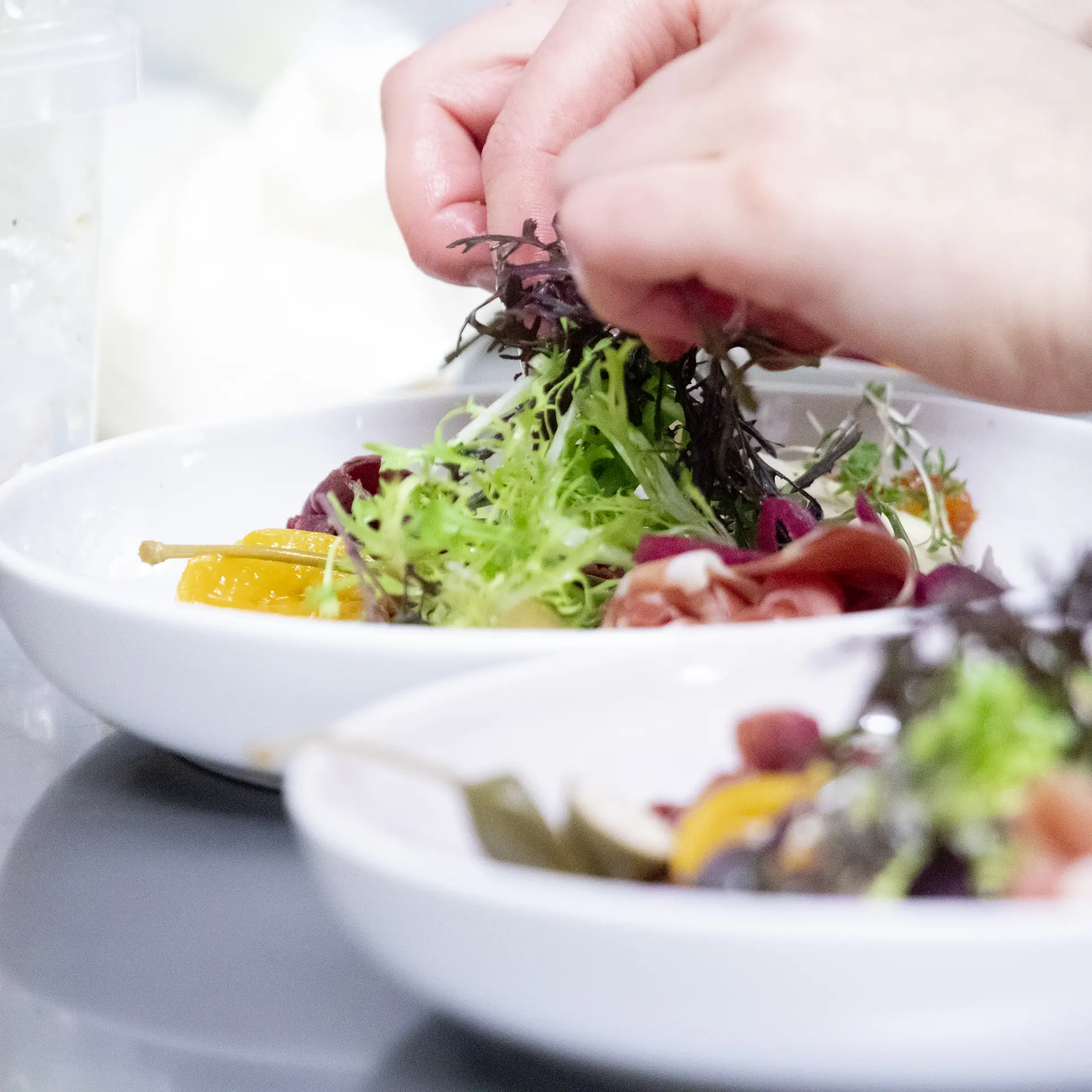
The team behind Hotel Troense is passionate about warm hospitality, high quality and memorable dining experiences. Every dish is prepared from scratch using seasonal ingredients, classic recipes and modern cooking techniques to create fresh and flavourful meals.

Directions

Strandgade 5-7, 5700 Svendborg

Show map

Attractions nearby of Hotel Troense, Signature Stays

  • Photo: Johnni Balslev

    Svendborg

    3.81 km

    Svendborg – Denmark’s Most Beautiful Shopping Town

    Svendborg has been named Denmark’s most beautiful shopping town – and it’s easy to see why. The charming pedestrian street winds through a vibrant center filled with specialty shops, art, cafés, and culture. The old Latin Quarter adds edge and character to the town, and everywhere you go, you’ll feel the history in the bricks – while the town buzzes with modern life.

    Take a seat at a café and enjoy a delicious lunch, or explore local delicacies, handicrafts, and shops full of personality.


    Svendborg Harbor – Gateway to the Archipelago

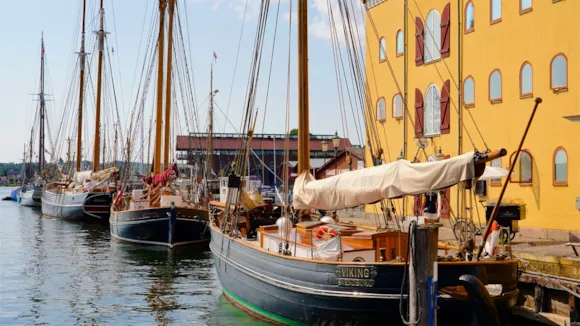
    Svendborg is more than just a town – it’s the capital of the South Funen Archipelago. Down at the harbor, you’ll experience the true South Funen DNA, where wooden ships, ferries, and modern yachts create a lively backdrop. From here, ferries sail to the small islands of Ærø, Skarø, Drejø, and Hjortø. Enjoy the view with an ice cream in hand or settle in at one of the harbor’s atmospheric eateries.

    Whether you’re looking for a quiet moment by the water, a bustling shopping street, or both – Svendborg is an experience in itself.

    Read more : Svendborg
  • Photo: Nørregårdsminde Besøgsbondegård

    Nørregårdsminde Visitor Farm

    4.34 km

    There is plenty of space here to relax, enjoy your packed lunch, and let the children burn off some energy. The farm offers tables and benches, a fire pit, and a well-equipped playground with a trampoline, swings, ride-on toys, and a climbing frame. A perfect stop for a longer break.


    Get close to farm life and the animals’ everyday routines

    At Nørregårdsminde, you’ll meet a menagerie of friendly farm animals: sheep and lambs, pygmy goats, hens, ducks, rabbits, pigs, and cats. There’s room for curious fingers and quiet moments, and the atmosphere is down-to-earth and heartwarming. It’s a place where children can learn, play, and explore, and where adults can enjoy peace and the closeness of nature.

    Read more : Nørregårdsminde Visitor Farm
  • Photo: Heidi Karlsen

    Rudkøbing

    11.58 km

    History, trade, and charming streets

    Rudkøbing is known for its narrow, cobblestone streets, old merchant houses, and low townhouses adorned with hollyhocks and full of character. Here, you'll experience the classic Danish market town in its most charming form, with small specialty shops, cozy cafés, and friendly service reminiscent of days gone by.

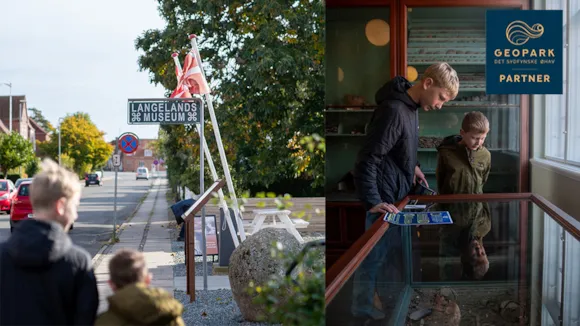
    Dive into Langeland's fascinating history from ancient times to the present at Langeland Museum, where you can see unique finds and explore the museum’s many captivating exhibits. You can also stop by Rudkøbing Mill in the southern part of town. The mill has stood here since the 1600s and was built on the old fortress rampart—a delightful glimpse into the town’s past.


    End your cycling trip with a dip in the sea

    Before you finish your tour, treat yourself to a break at Rudkøbing Harbor. Here, you’ll find the beautifully and carefully restored Rudkøbing Bathhouse, offering bathing facilities year-round and creating the perfect setting for a refreshing final dip in the South Funen Archipelago.

    Feeling adventurous? The journey doesn’t have to end here. From Rudkøbing, the Manor Route leads you to new experiences—choose the direction toward Marstal, Lohals, or Bagenkop, and continue your cycling adventure.

    Read more : Rudkøbing
  • Photo: Turist- og Erhvervsforeningen Langeland

    Rudkøbing Church

    11.48 km

    History

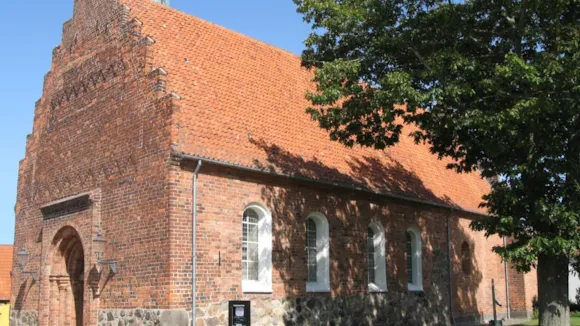
    In the western part of the well preserved nave and chancel it is possible to see the remains of a unworked field stone wall, which has presumably been part of the first church which was built here, from as early as the beginning of the 12th century.  It is known that when the original bell was removed from the bell tower in 1740 an indistinct runic inscription could be seen, from this inscription it was possible to decipher the year 1105 which could have been the year the first church was dedicated. However by the 13th century this church had already been demolished and replaced by the current brick built building. The tower, with its unusual rounded gables, was built in 1621. The church underwent restoration work in the years 1837, 1896 and 1956 and a number of modifications to the building have been made.

    The church has three bells, each with its own name: Stormklokken (the storm bell) , Tiklokken ( the ten bell) and Tolvklokken (the twelve bell).

    The carillon plays every day at 08.00, 12.00, 16.00 and 20.00.

    The interior

    The current altarpiece dates from recent times and was made in Romanesque style. An older altarpiece can now be seen in Langelands Museum. You can also find a pulpit carved in a floral style, a late gothic crucifix, and a neoclassical baptismal font dating from 1836. There is also an epitaph to town-magistrate Claus Berthelsen dating from 1698, who is also commemorated on stone above the door into the tower.

    Read more : Rudkøbing Church
  • Photo: VisitFyn Picasa

    Tranekær Castle

    13.84 km

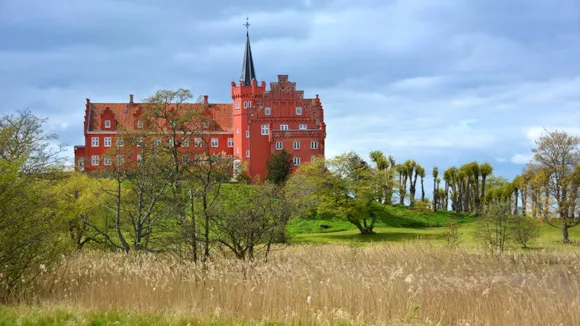
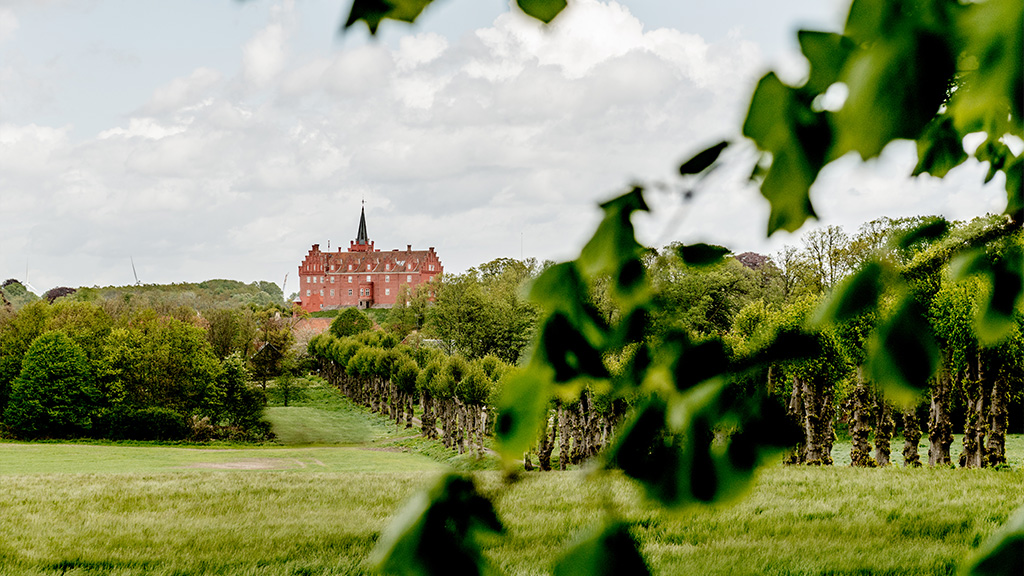
    Tranekær Castle is inhabited by the Ahlefeldt-Laurvig family, and is today a modern agricultural and forestry business covering 1,733 hectares. Seeds and grain, Christmas trees and ornamental greenery are grown, and a large area is dedicated to raising pheasants. The forest is managed as traditional forestry. The main building and the castle bank are not open to the public, but outside the moats you can walk along the fine pathway where you can see unique trees in the park, including the rare Chinese conifer, the water fir. However, access to the castle is possible during a guided tour, where the history of the castle and the family will be told with wonderful anecdotes.
    Business stays

    It is possible to rent the castle for corporate events where you can experience the history and atmosphere of the castle. You can also stay overnight at the castle, enjoy exquisite gastronomy and a high level of service.
    Strategic location

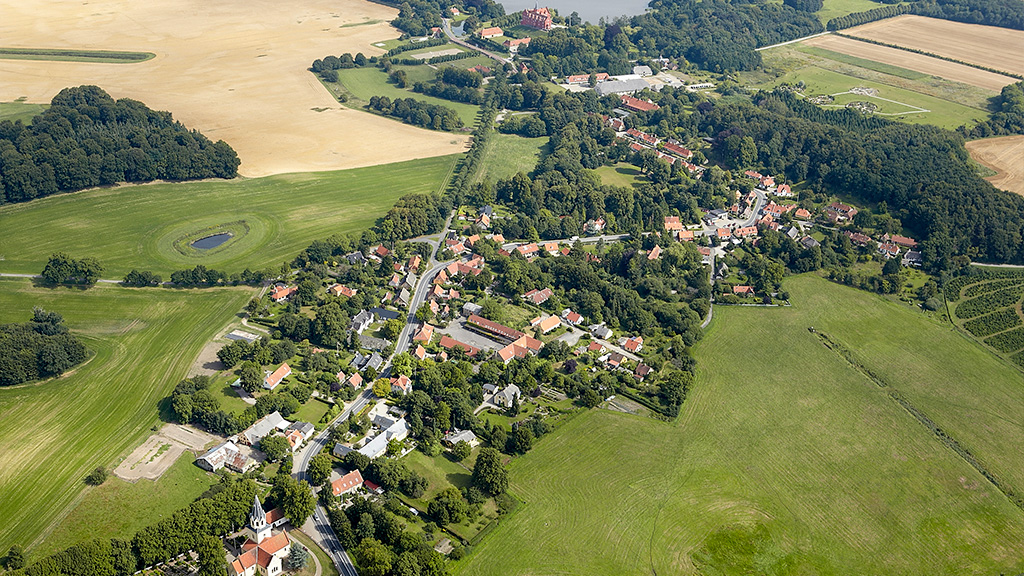
    Originally built as a heavily fortified castle with a moat and drawbridge, the castle has an extremely favourable location. Secluded and built on its 20 metre high bank, it was once possible to sail to the foot of the castle from both the east and west sides of Langeland. If you were travelling along the length of Langeland, it was necessary to pass the castle.

    On top of a hat hill

    The castle is located on top of one of the island's many ‘hat-shaped hills’. In this way, the terrain provided significant protection for the castle's inhabitants from the very beginning. With the addition of moats and a curtain wall over time, the castle has become an almost impregnable stronghold.
    History of the castle

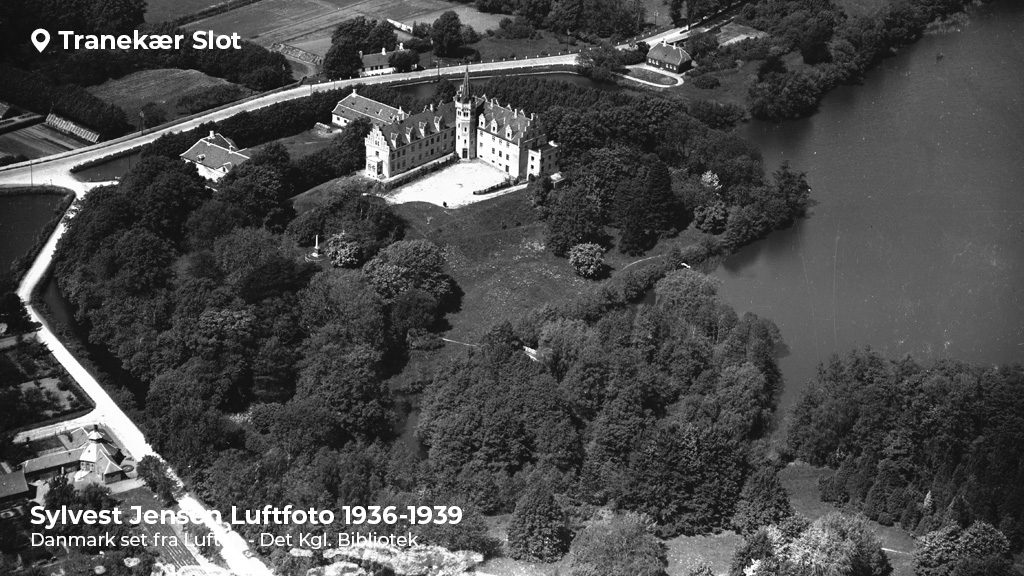
    Tranekær Castle has been located on Langeland for almost a thousand years and was probably originally built by King Valdemar the Great (1131-1182). The castle is first mentioned in sources in 1231, which declare the castle to belong to the king. In the 1350s, Valdemar Atterdag conquered Tranekær after 14 days of more or less constant siege. Since then, the impressive defences have been used as part of the defence of southern Denmark until the 1650s when Tranekær Castle was destroyed during the Swedish Wars. Not long after, in 1672, the dilapidated castle was presented as part of a dowry at a wedding between the young Margrethe Dorothea Rantzau, who in 1656 was Denmark's richest heiress, and Frederik Ahlefeldt. Since then, the Ahlefeldt-Laurvig family have been the owners of Tranekær Castle.

    Read more about Tranekær Castle's ownership history, servants, buildings and cultural environment at danskeherregaarde.dk


    Over time, a beautiful village has grown up around the castle, which, like the castle, is very well preserved to this day. Many of the buildings in Tranekær Village were built by the castle's employees.

    The general

    Frederik Ahlefeldt-Laurvig (1760-1832), also known as ‘The General’, took over Tranekær in 1791 and he was a man with great ambitions for the area. Among other things, he built a theatre building by the riding arena, and he decorated the surrounding town of Tranekær with beautiful and solid uniform houses, inspired by the well-designed castle towns of Central Europe. He also opened the sugar factory, which today is a bed and breakfast and gallery, a teachers' college and much more.

    Sources

    Tranekær a castle and a town - Helle Ravn - Øhavsmuseet Langeland

    Tranekær Castle and town - Print 7 from Langelands Museum

    Traces of the Ahlefeldt family history - P. Ahlefeldt-Laurvig

    UNESCO Global Geopark The South Funen Archipelago

    Tranekær Castle is designated as a castle with special cultural heritage in the South Funen Archipelago Geopark.

    You can read more about the UNESCO Global Geopark at geoparkoehavet.dk

    Read more : Tranekær Castle
  • Photo: Faaborg Turistbureau

    Egeskov

    18.52 km

    Egeskov has something for the whole family - big and small. Experience Denmark's most beautiful garden, the fantastic play forest with the huge maze, exhibitions with vintage cars, motorcycles and aircraft. Here is something for the whole family and it can easily take the whole day to experience it all.

    Egeskov Castle is one of Europe's best preserved water castle and is idyllically located in a park that has won several garden prices. Although Count Ahlefeldt and his family live in the castle on a daily basis, there is the opportunity to come inside and see the many beautiful halls.

    The world's most adventurous dollhouse Titania's Palace excites children and adults. See if you can spot the elf queen in one of the richly decorated rooms.

    Egeskov is also good at holding events. Eg. Christmas market, Luminis, special exhibitions etc.

    To find out much more and to buy tickets please visit www.egeskov.dk
    • Egeskov Slot - 2018 TripAdvisor Cerificate of Exellence.
    • Egeskov Slotshave vandt i 2012 European Garden Award og blev udnævnt til "Best European historic garden 2012" af European Garden & Heritage Network.
    • Nominated by CNN Travel as one of the 12 most spectacular gardens in the world.
    • Conde Nast Traveller 2016: Egeskov is one of the 50 most beautiful places in Europe”
    Read more : Egeskov
  • Photo: Freja Kock Christlieb

    The beach huts in Ærøskøbing

    21.86 km

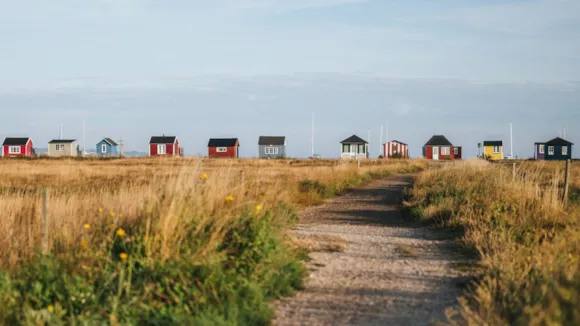
    Along the shoreline at Vesterstrand in Ærøskøbing lies a string of charming, well-kept beach huts that for generations have framed sunsets, cosy gatherings, and traditional island pastimes.

    The plots are leased in perpetuity, bound by strict clauses: no electricity, no extensions - everything must remain exactly as it once was. Read more about the huts’ fascinating background and cultural history here: The history of Ærø’s beach huts

    A visit to Ærø is simply not complete without experiencing the iconic beach huts of Vesterstrand.

    Read more : The beach huts in Ærøskøbing
  • Photo: Marianne Krag Petersen

    Skovsgaard’s Museums

    22.08 km

    Skovsgaard Manor houses several permanent exhibitions as well as temporary art and photo exhibitions in the impressive main building dating from 1889. The exhibitions provide ample opportunity to discover the old estate and its history.

    Skovsgaard's history

    Learn more about the history of Skovsgaard. "Meet" Miss Ellen Fuglede, who bequeathed Skovsgaard to the Danish Nature Foundation. Also see the exhibition about the large floating dock with prisoners of war that ran aground off Paø Strand in May 1945.

    The life of the servants

    Step back in time and experience life as a servant in the manor house.

    In the exhibition in the main building, you can really experience the buzz of history. Experience the impressive living quarters, visit the steward's office and take a look at the old food lift that connected the servants working in the cellar with the manor house.

    The exhibition in the cellar clearly shows the class differences in society at the time. Around 40 servants lived here in small and cold rooms, just a few metres from the kitchens where they spent most of their day.

    The cellar stands in stark contrast to the first floor, where the gentlemen lived. Here is the room of Ellen Fuglede's mother, Thyra, with a dressing room, access to the tower room and a fantastic view of the moat of the estate.

    Tractors and machines

    In one of Skovsgaard's old barns, the "Foreningen Langeland Traktor- og Maskinsamling" exhibits tractors and agricultural machinery that represent a bygone era in the history of agriculture. The organisation also has a workshop where members restore and repair the old machines.

    All of the machines on display have run in Denmark and are at least 40 years old.

    See opening hours and prices


    Read more : Skovsgaard’s Museums
  • Photo: Naturdestination Skovsgaard

    Nature destination Skovsgaard

    22.03 km

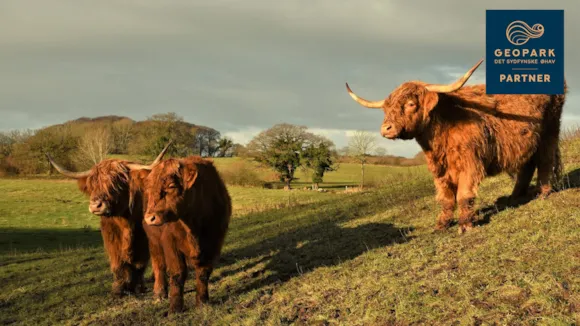
    Experience cattle and wild horses living freely in nature. Take the children on a wild hunt in nature and discover exciting species you haven't seen before. Explore the thickets and waterholes. Guess animal droppings and find life in dead trees. Cook over a campfire using ingredients from nature.

    At Skovsgaard, you and your children can learn about wild nature in a different, fun, inspiring, and cozy way. We look forward to welcoming you!

    Read more about the experiences at Skovsgaard Manor.

    The History of Skovsgaard The first buildings of Skovsgaard Manor were constructed in the late 14th century. The knight Peder Modeskal is dated as the first official owner in 1457. The noble family Modeskal passed on the estate and manor through no less than nine generations.

    In 1760, the estate was auctioned off to three brothers named Mikkelsen from Langeland, whose family managed the estate until 1979.

    Today, parts of the old Renaissance farm from the 17th century can still be seen in the garden house, but the original main building of the estate was demolished in 1887, and a large part of the other buildings was lost in a fire in 1854.

    The current main building was constructed in the Neo-Renaissance style in 1889, with a total of 21 rooms for the gentry. Like many of the other buildings, the main building is open to visitors.

    Miss Ellen Fuglede - Skovsgaard's Last Owner

    Miss Fuglede was born in Copenhagen in 1902 but moved back to Skovsgaard with her mother after her parents' divorce. Probably due to her mother's distrust of men, Ellen never married. For the unmarried Miss Fuglede, the nature surrounding the estate was her dearest possession. Therefore, she bequeathed Skovsgaard and its 389 hectares to the Danish Society for Nature Conservation to ensure that the estate and nature would not be exploited or developed after her death.

    The Danish Society for Nature Conservation transferred the estate to the Danish Nature Fund.

    See opening hours and prices.

    Read more (in Danish) about Skovsgaard's ownership history, servants, buildings, and cultural environment at danskeherregaarde.dk
     

    UNESCO Global Geopark of the South Funen Archipelago

    Naturdestination Skovsgaard is a Geopark partner. Geopark partners are specialised companies that focus on sustainability in relation to their food, nature experiences, accommodation and more.

    You can read more about UNESCO Global Geopark at geoparkoehavet.com

    Read more : Nature destination Skovsgaard