Small Danish Hotels is now Stays. Only our name has changed. Everything else stays the same.
How to make a booking
Click the "See calendar and prices" button to choose dates and see the room selection.
See calendar and prices: Rate of the daySmall Danish Hotels is now Stays. Only our name has changed. Everything else stays the same.
Includes per person per night:
Click the "See calendar and prices" button to choose dates and see the room selection.
See calendar and prices: Rate of the dayDiscover Hotel Troense
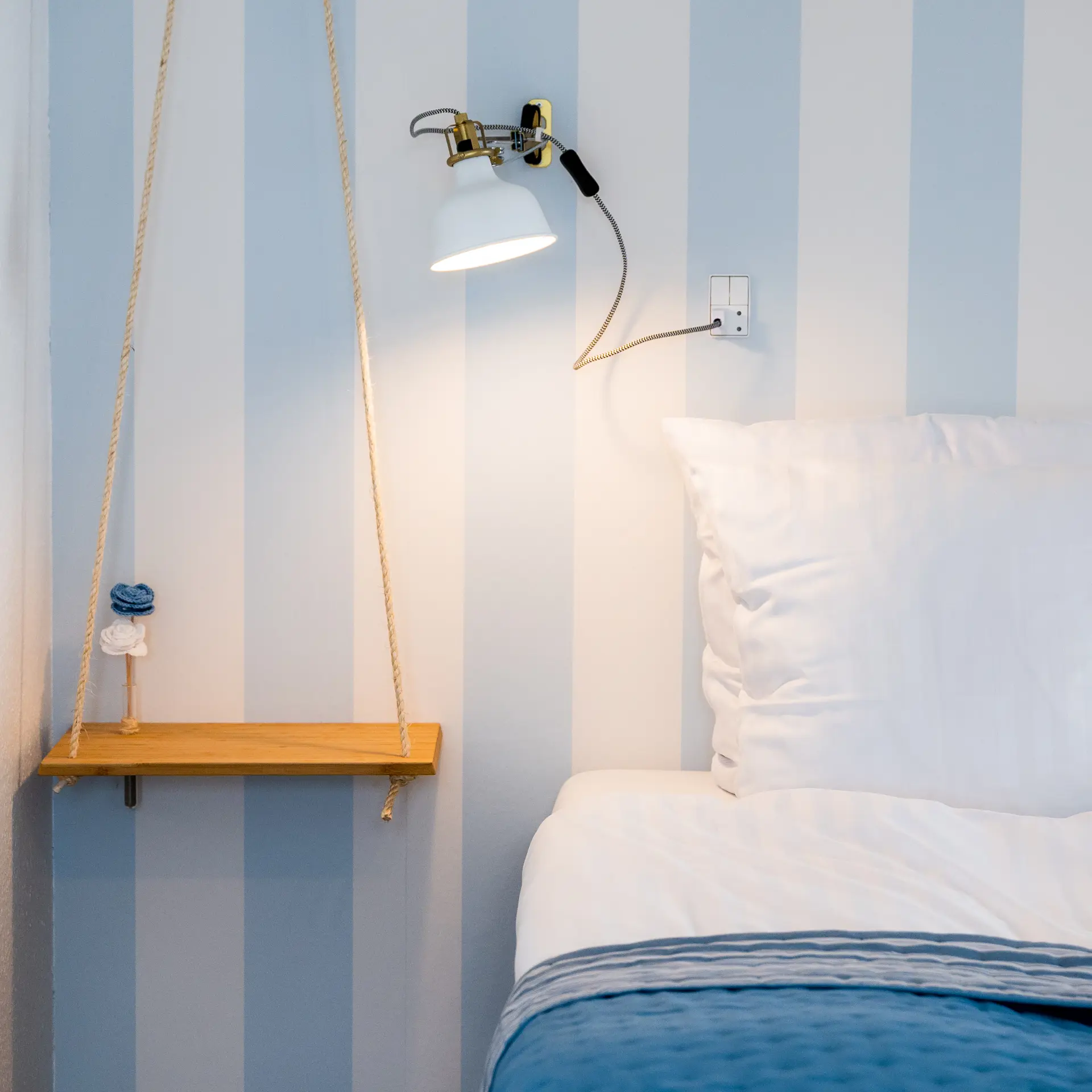
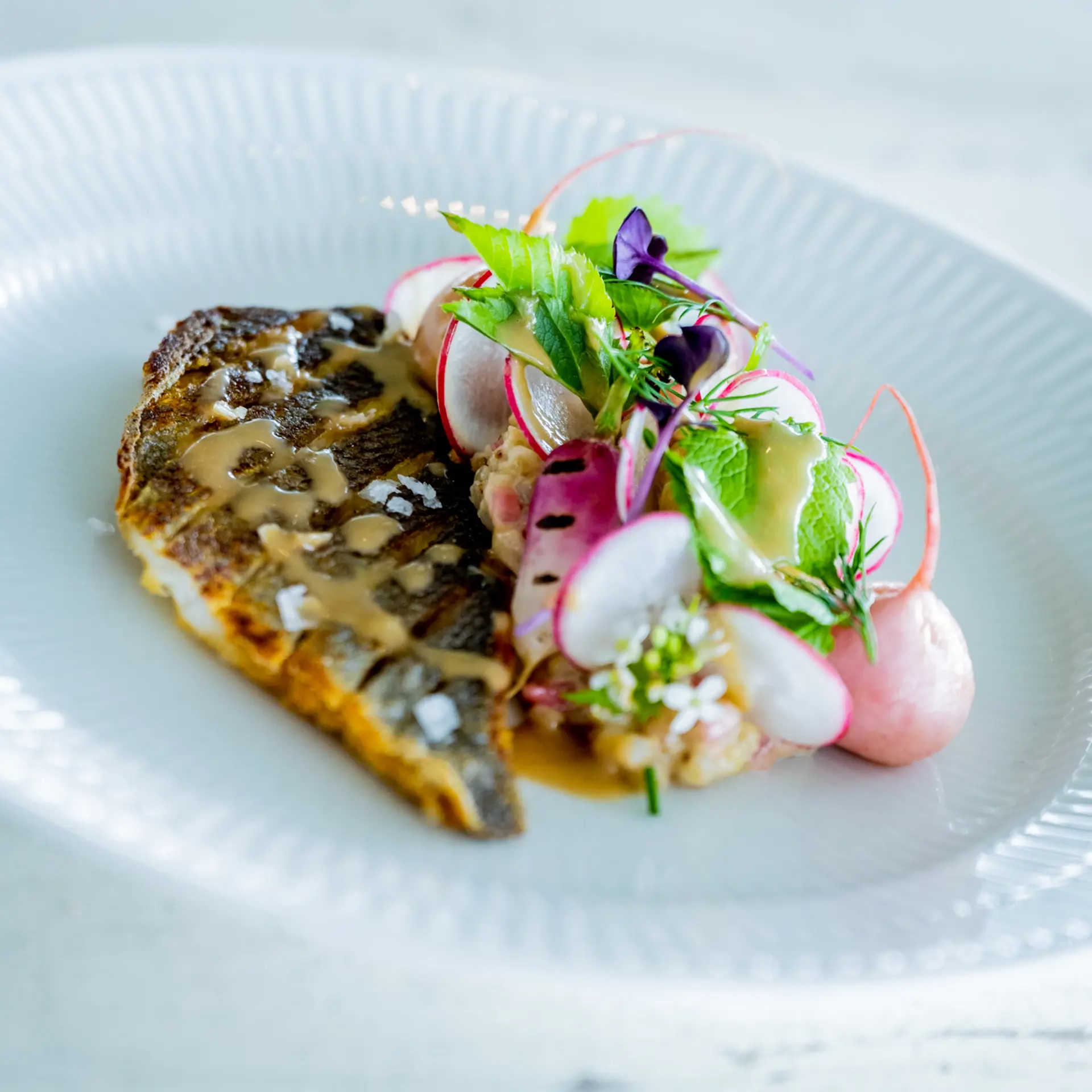
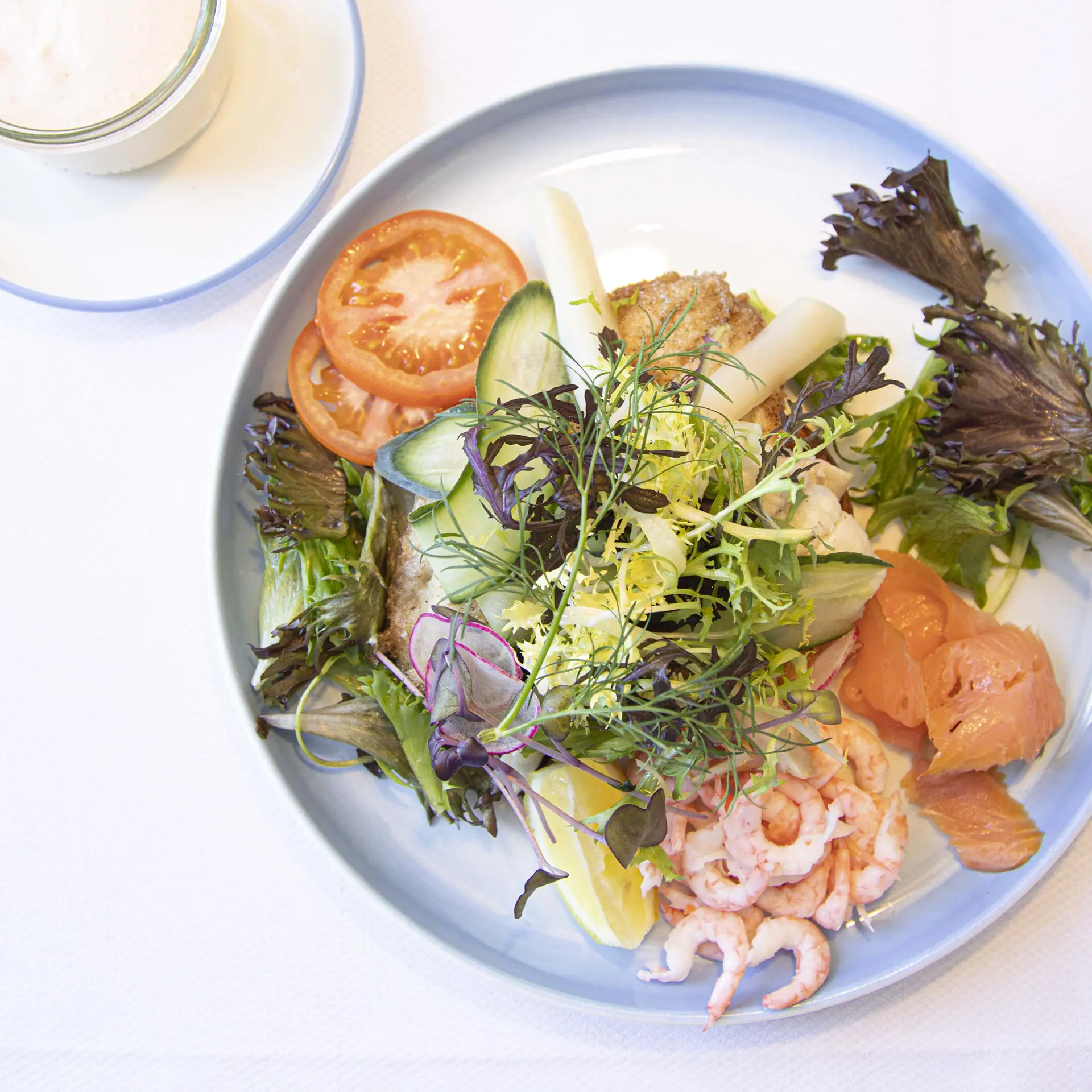
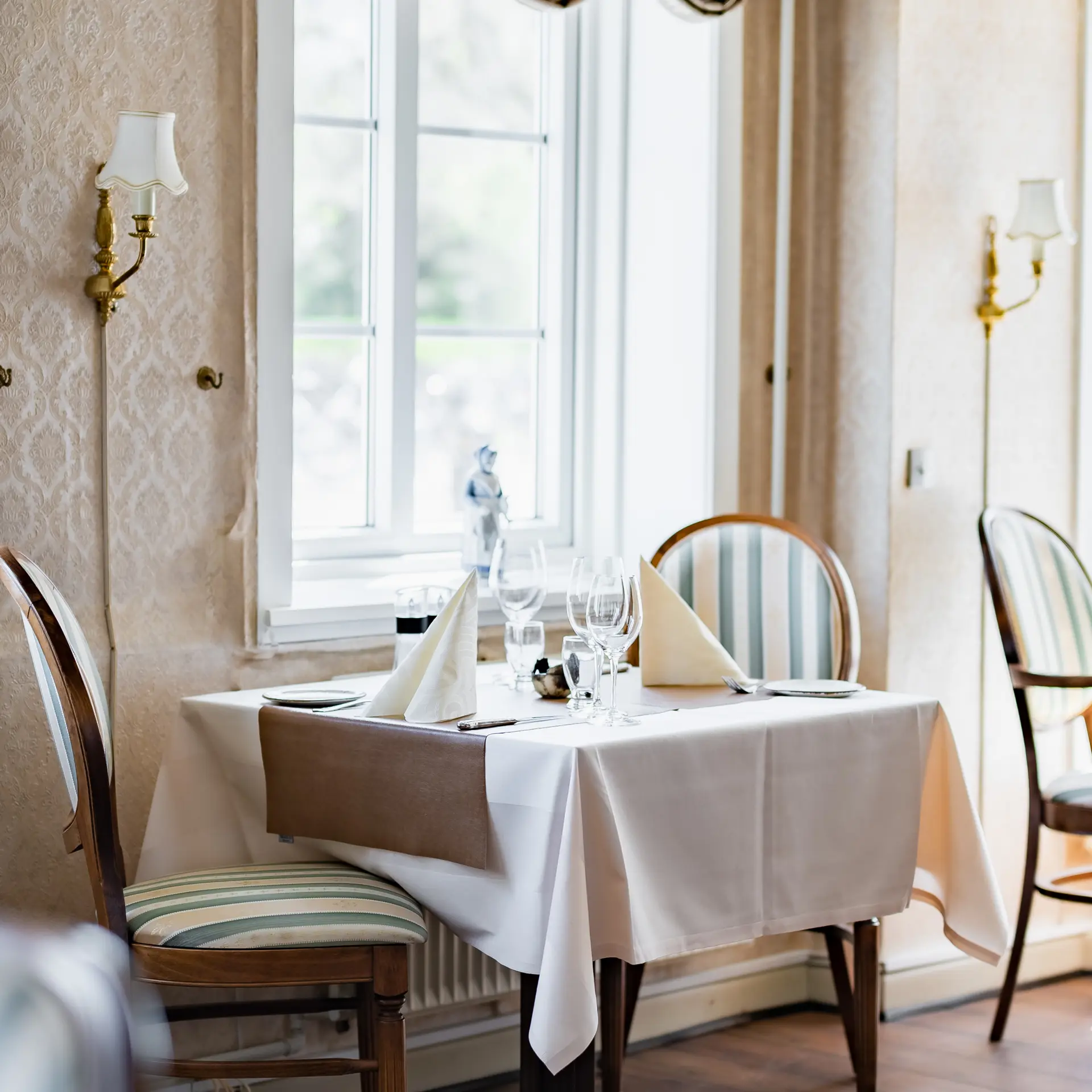
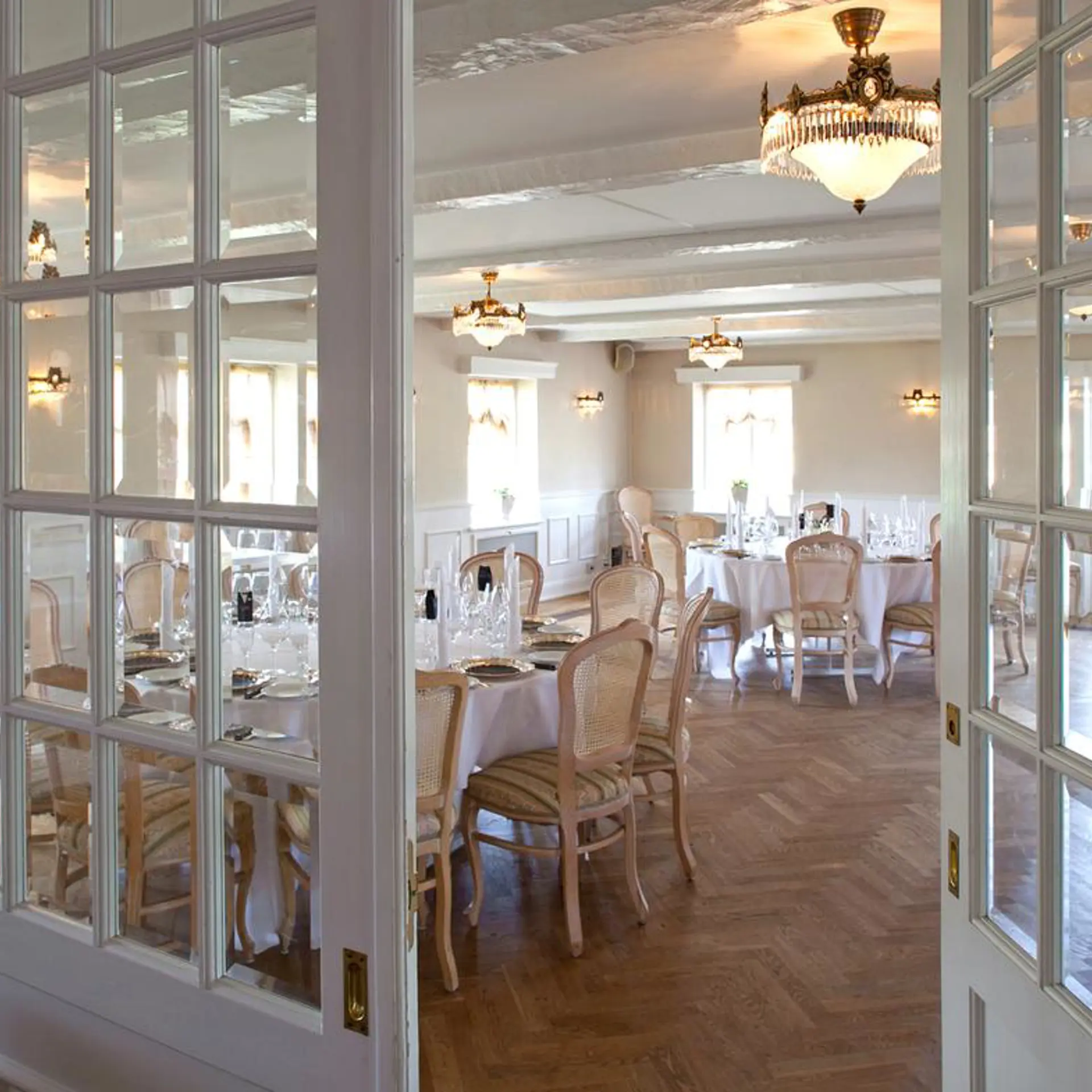
A charming seaside hotel in the heart of the South Funen. Surrounded by beautiful scenery and overlooking Svendborgsund, the hotel combines coastal charm, outstanding gastronomy and a relaxing atmosphere.
Strandgade 5-7, 5700 Svendborg
Show map
1.32 km
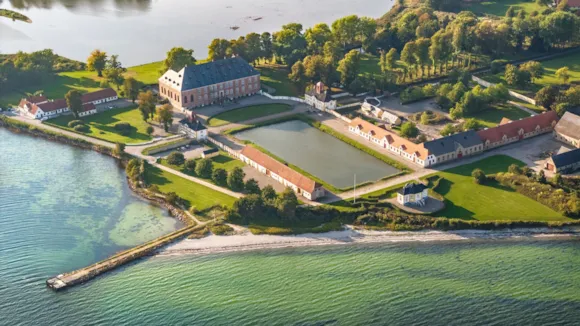
Valdemar’s Castle was originally built by Christian IV and later belonged to the famous naval hero Niels Juel. Today, it is Denmark’s largest private home and the only former royal castle in private ownership. The castle has reopened as a new type of art destination, where past and present merge seamlessly.
Surrounded by forest, beach, and abundant wildlife, the area is ideal for a break from the saddle. Public trails lead you through scenic landscapes. Take a leisurely walk through the woods, down to the beach, or along the coastline, and experience the castle from multiple angles.
Valdemar's Castle is not just a visual landmark – it is a living piece of Danish history and a place where nature, art, and culture go hand in hand.
3.81 km
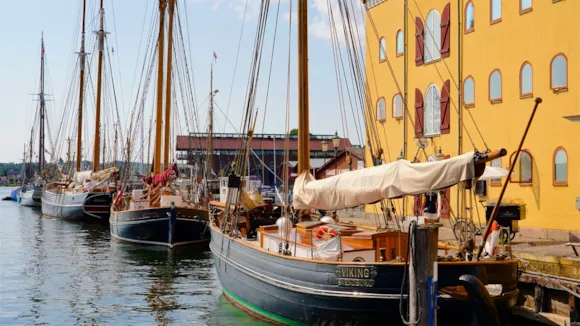
Svendborg has been named Denmark’s most beautiful shopping town – and it’s easy to see why. The charming pedestrian street winds through a vibrant center filled with specialty shops, art, cafés, and culture. The old Latin Quarter adds edge and character to the town, and everywhere you go, you’ll feel the history in the bricks – while the town buzzes with modern life.
Take a seat at a café and enjoy a delicious lunch, or explore local delicacies, handicrafts, and shops full of personality.
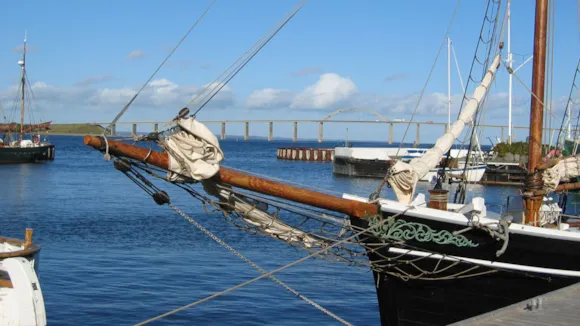
Svendborg is more than just a town – it’s the capital of the South Funen Archipelago. Down at the harbor, you’ll experience the true South Funen DNA, where wooden ships, ferries, and modern yachts create a lively backdrop. From here, ferries sail to the small islands of Ærø, Skarø, Drejø, and Hjortø. Enjoy the view with an ice cream in hand or settle in at one of the harbor’s atmospheric eateries.
Whether you’re looking for a quiet moment by the water, a bustling shopping street, or both – Svendborg is an experience in itself.
11.58 km
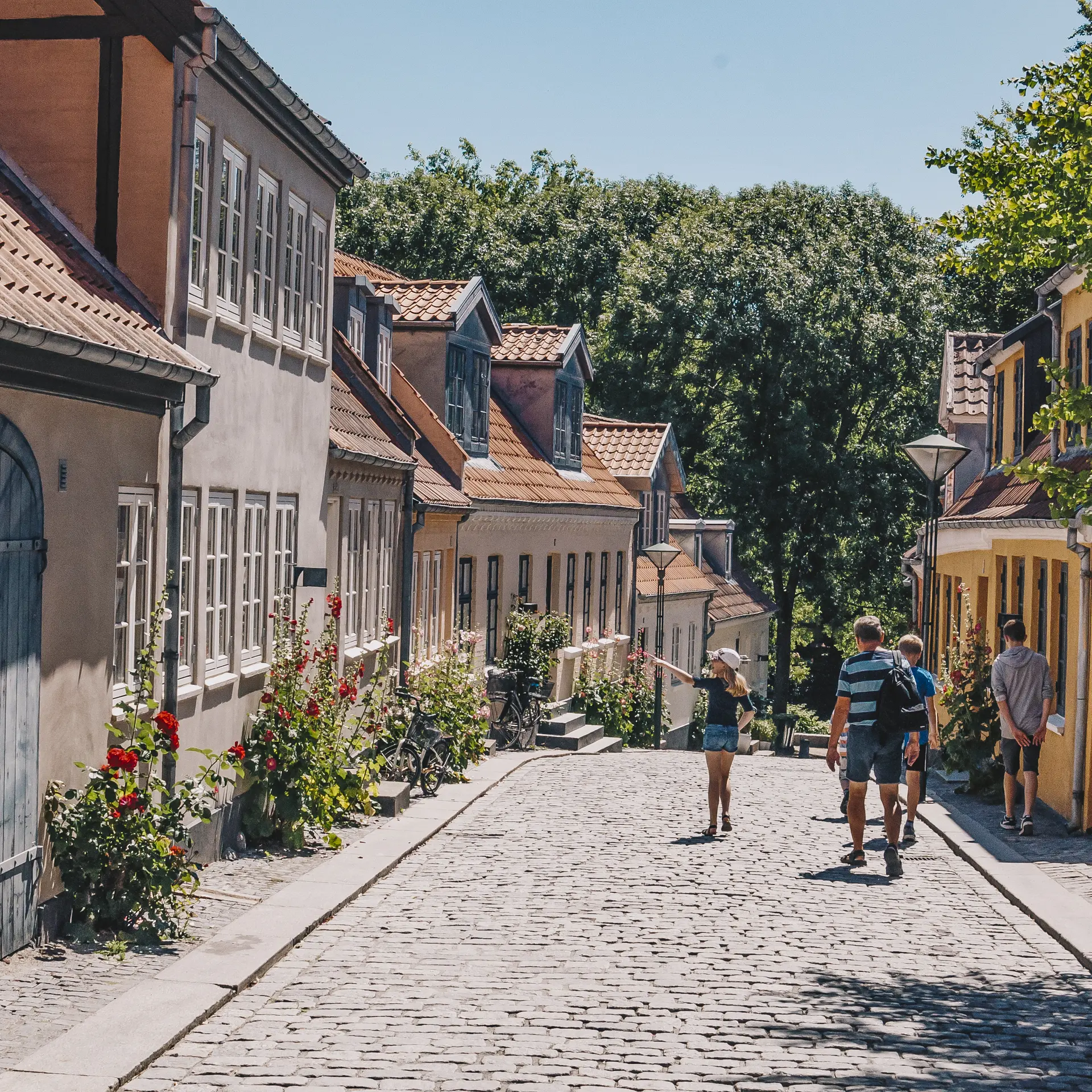
Rudkøbing is known for its narrow, cobblestone streets, old merchant houses, and low townhouses adorned with hollyhocks and full of character. Here, you'll experience the classic Danish market town in its most charming form, with small specialty shops, cozy cafés, and friendly service reminiscent of days gone by.
Dive into Langeland's fascinating history from ancient times to the present at Langeland Museum, where you can see unique finds and explore the museum’s many captivating exhibits. You can also stop by Rudkøbing Mill in the southern part of town. The mill has stood here since the 1600s and was built on the old fortress rampart—a delightful glimpse into the town’s past.
Before you finish your tour, treat yourself to a break at Rudkøbing Harbor. Here, you’ll find the beautifully and carefully restored Rudkøbing Bathhouse, offering bathing facilities year-round and creating the perfect setting for a refreshing final dip in the South Funen Archipelago.
Feeling adventurous? The journey doesn’t have to end here. From Rudkøbing, the Manor Route leads you to new experiences—choose the direction toward Marstal, Lohals, or Bagenkop, and continue your cycling adventure.
11.48 km
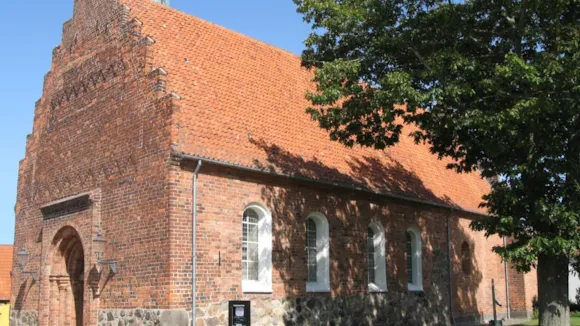
In the western part of the well preserved nave and chancel it is possible to see the remains of a unworked field stone wall, which has presumably been part of the first church which was built here, from as early as the beginning of the 12th century. It is known that when the original bell was removed from the bell tower in 1740 an indistinct runic inscription could be seen, from this inscription it was possible to decipher the year 1105 which could have been the year the first church was dedicated. However by the 13th century this church had already been demolished and replaced by the current brick built building. The tower, with its unusual rounded gables, was built in 1621. The church underwent restoration work in the years 1837, 1896 and 1956 and a number of modifications to the building have been made.
The church has three bells, each with its own name: Stormklokken (the storm bell) , Tiklokken ( the ten bell) and Tolvklokken (the twelve bell).
The carillon plays every day at 08.00, 12.00, 16.00 and 20.00.
The current altarpiece dates from recent times and was made in Romanesque style. An older altarpiece can now be seen in Langelands Museum. You can also find a pulpit carved in a floral style, a late gothic crucifix, and a neoclassical baptismal font dating from 1836. There is also an epitaph to town-magistrate Claus Berthelsen dating from 1698, who is also commemorated on stone above the door into the tower.
11.98 km
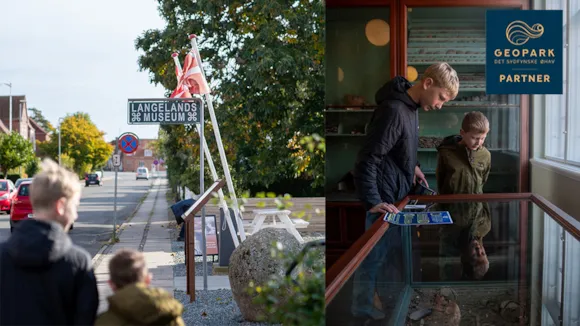
Langelands Museum houses an impressive collection of artefacts that tell the island's history from ancient to modern times. Founded by merchant Jens Winther, the museum has since developed into a cultural hub for the island's unique archaeological and historical treasures.
Langeland is known for its rich ancient finds, and the museum's extensive collection of artefacts takes up a large part of the exhibition. Discover well-preserved artefacts from the Stone Age, Bronze Age and Iron Age as well as finds from the Renaissance fishing camp Sandhagen.
In the museum shop you can find exciting books on archaeology, maritime history and gardens, as well as a selection of fine souvenirs that reflect the island's cultural heritage.
Langelands Museum is the main museum for several exciting departments, including the Cold War Museum Langelandsfortet, Langeland Visitor Centre and Tobaksladen. Each department offers unique experiences that delve into the island's history and culture.
Langeland Museum is a Geopark partner. The Geopark’s partners are local businesses and organisations that contribute to the Geopark’s work and outreach in areas such as local food, nature experiences and accommodation.
You can read more about UNESCO Global Geopark at geoparkoehavet.dk
13.84 km
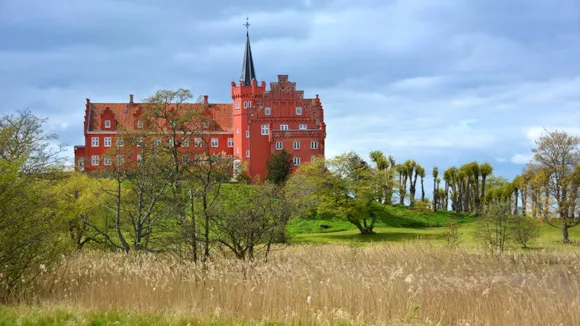
Tranekær Castle is inhabited by the Ahlefeldt-Laurvig family, and is today a modern agricultural and forestry business covering 1,733 hectares. Seeds and grain, Christmas trees and ornamental greenery are grown, and a large area is dedicated to raising pheasants. The forest is managed as traditional forestry. The main building and the castle bank are not open to the public, but outside the moats you can walk along the fine pathway where you can see unique trees in the park, including the rare Chinese conifer, the water fir. However, access to the castle is possible during a guided tour, where the history of the castle and the family will be told with wonderful anecdotes.
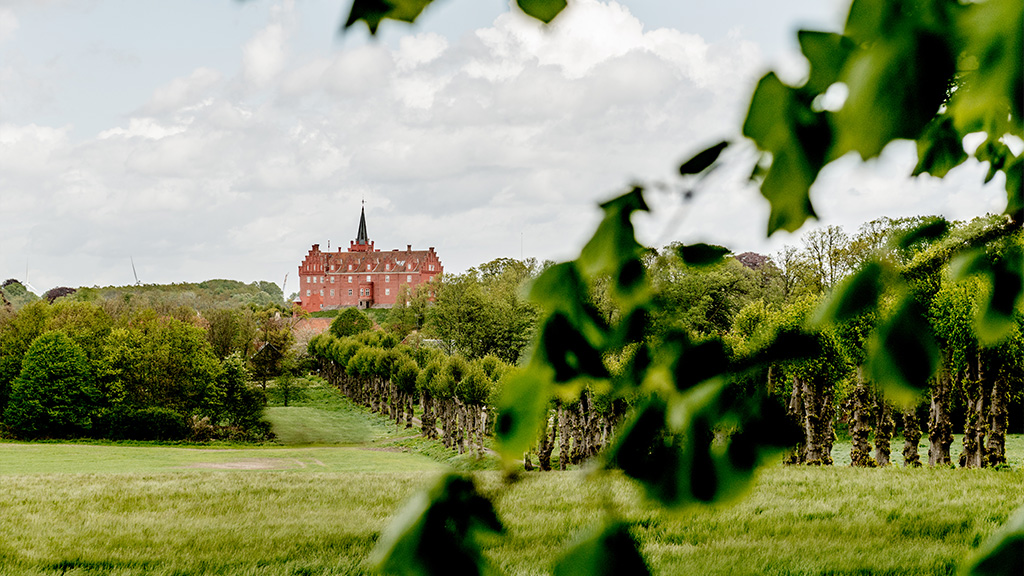
It is possible to rent the castle for corporate events where you can experience the history and atmosphere of the castle. You can also stay overnight at the castle, enjoy exquisite gastronomy and a high level of service.
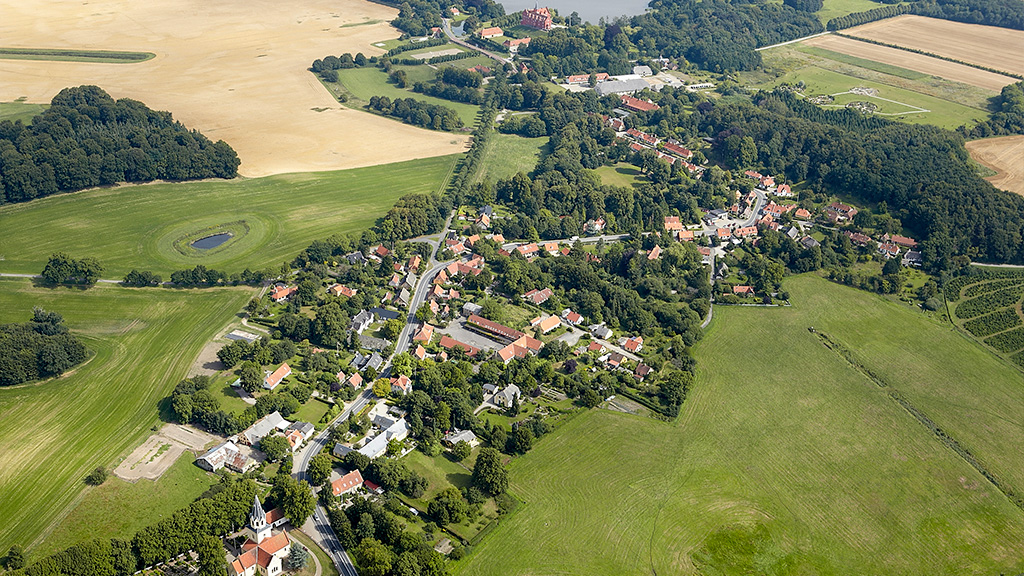
Originally built as a heavily fortified castle with a moat and drawbridge, the castle has an extremely favourable location. Secluded and built on its 20 metre high bank, it was once possible to sail to the foot of the castle from both the east and west sides of Langeland. If you were travelling along the length of Langeland, it was necessary to pass the castle.
The castle is located on top of one of the island's many ‘hat-shaped hills’. In this way, the terrain provided significant protection for the castle's inhabitants from the very beginning. With the addition of moats and a curtain wall over time, the castle has become an almost impregnable stronghold.
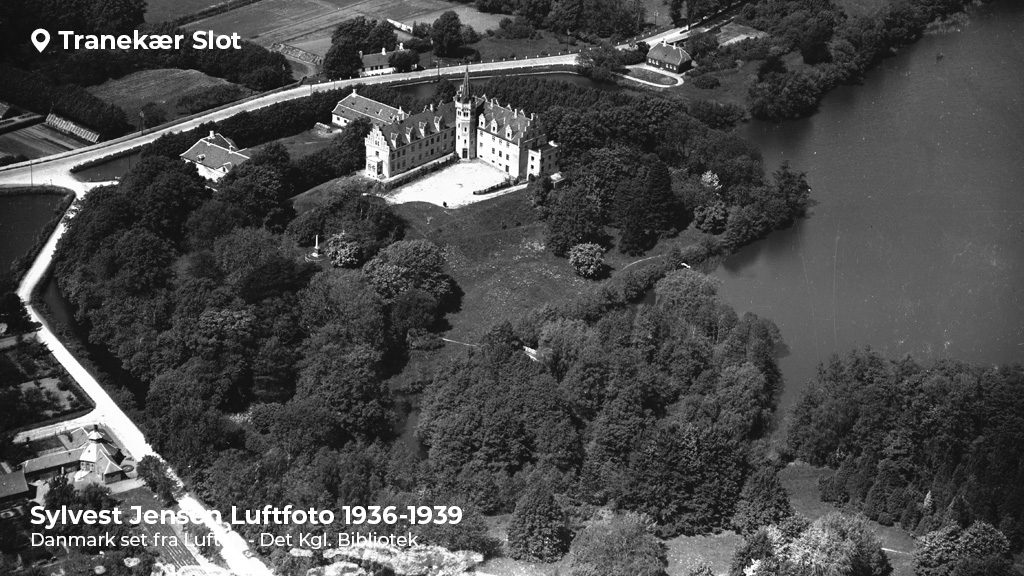
Tranekær Castle has been located on Langeland for almost a thousand years and was probably originally built by King Valdemar the Great (1131-1182). The castle is first mentioned in sources in 1231, which declare the castle to belong to the king. In the 1350s, Valdemar Atterdag conquered Tranekær after 14 days of more or less constant siege. Since then, the impressive defences have been used as part of the defence of southern Denmark until the 1650s when Tranekær Castle was destroyed during the Swedish Wars. Not long after, in 1672, the dilapidated castle was presented as part of a dowry at a wedding between the young Margrethe Dorothea Rantzau, who in 1656 was Denmark's richest heiress, and Frederik Ahlefeldt. Since then, the Ahlefeldt-Laurvig family have been the owners of Tranekær Castle.
Over time, a beautiful village has grown up around the castle, which, like the castle, is very well preserved to this day. Many of the buildings in Tranekær Village were built by the castle's employees.
Frederik Ahlefeldt-Laurvig (1760-1832), also known as ‘The General’, took over Tranekær in 1791 and he was a man with great ambitions for the area. Among other things, he built a theatre building by the riding arena, and he decorated the surrounding town of Tranekær with beautiful and solid uniform houses, inspired by the well-designed castle towns of Central Europe. He also opened the sugar factory, which today is a bed and breakfast and gallery, a teachers' college and much more.
Tranekær a castle and a town - Helle Ravn - Øhavsmuseet Langeland
Tranekær Castle and town - Print 7 from Langelands Museum
Traces of the Ahlefeldt family history - P. Ahlefeldt-Laurvig
Tranekær Castle is designated as a castle with special cultural heritage in the South Funen Archipelago Geopark.
You can read more about the UNESCO Global Geopark at geoparkoehavet.dk
21.86 km
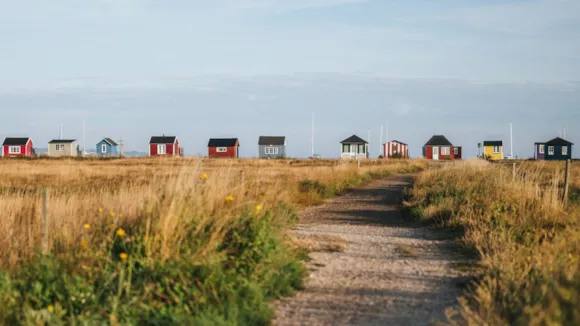
Along the shoreline at Vesterstrand in Ærøskøbing lies a string of charming, well-kept beach huts that for generations have framed sunsets, cosy gatherings, and traditional island pastimes.
The plots are leased in perpetuity, bound by strict clauses: no electricity, no extensions - everything must remain exactly as it once was. Read more about the huts’ fascinating background and cultural history here: The history of Ærø’s beach huts
A visit to Ærø is simply not complete without experiencing the iconic beach huts of Vesterstrand.
22.03 km
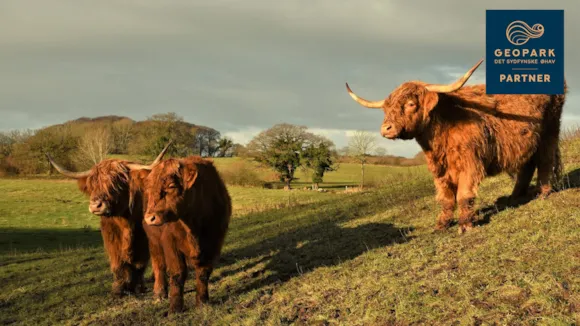
Experience cattle and wild horses living freely in nature. Take the children on a wild hunt in nature and discover exciting species you haven't seen before. Explore the thickets and waterholes. Guess animal droppings and find life in dead trees. Cook over a campfire using ingredients from nature.
At Skovsgaard, you and your children can learn about wild nature in a different, fun, inspiring, and cozy way. We look forward to welcoming you!
Read more about the experiences at Skovsgaard Manor.
The History of Skovsgaard The first buildings of Skovsgaard Manor were constructed in the late 14th century. The knight Peder Modeskal is dated as the first official owner in 1457. The noble family Modeskal passed on the estate and manor through no less than nine generations.
In 1760, the estate was auctioned off to three brothers named Mikkelsen from Langeland, whose family managed the estate until 1979.
Today, parts of the old Renaissance farm from the 17th century can still be seen in the garden house, but the original main building of the estate was demolished in 1887, and a large part of the other buildings was lost in a fire in 1854.
The current main building was constructed in the Neo-Renaissance style in 1889, with a total of 21 rooms for the gentry. Like many of the other buildings, the main building is open to visitors.
Miss Fuglede was born in Copenhagen in 1902 but moved back to Skovsgaard with her mother after her parents' divorce. Probably due to her mother's distrust of men, Ellen never married. For the unmarried Miss Fuglede, the nature surrounding the estate was her dearest possession. Therefore, she bequeathed Skovsgaard and its 389 hectares to the Danish Society for Nature Conservation to ensure that the estate and nature would not be exploited or developed after her death.
The Danish Society for Nature Conservation transferred the estate to the Danish Nature Fund.
Naturdestination Skovsgaard is a Geopark partner. The Geopark’s partners are local businesses and organisations that contribute to the Geopark’s work and outreach in areas such as local food, nature experiences and accommodation.
You can read more about UNESCO Global Geopark at geoparkoehavet.com

31.47 km