Skip to Primary content Skip to Footer content

Hotel Odense - Partner Stays Hotel

Green Key_V3

Green Key approved

  • Funen
  • South Denmark
  • City Break

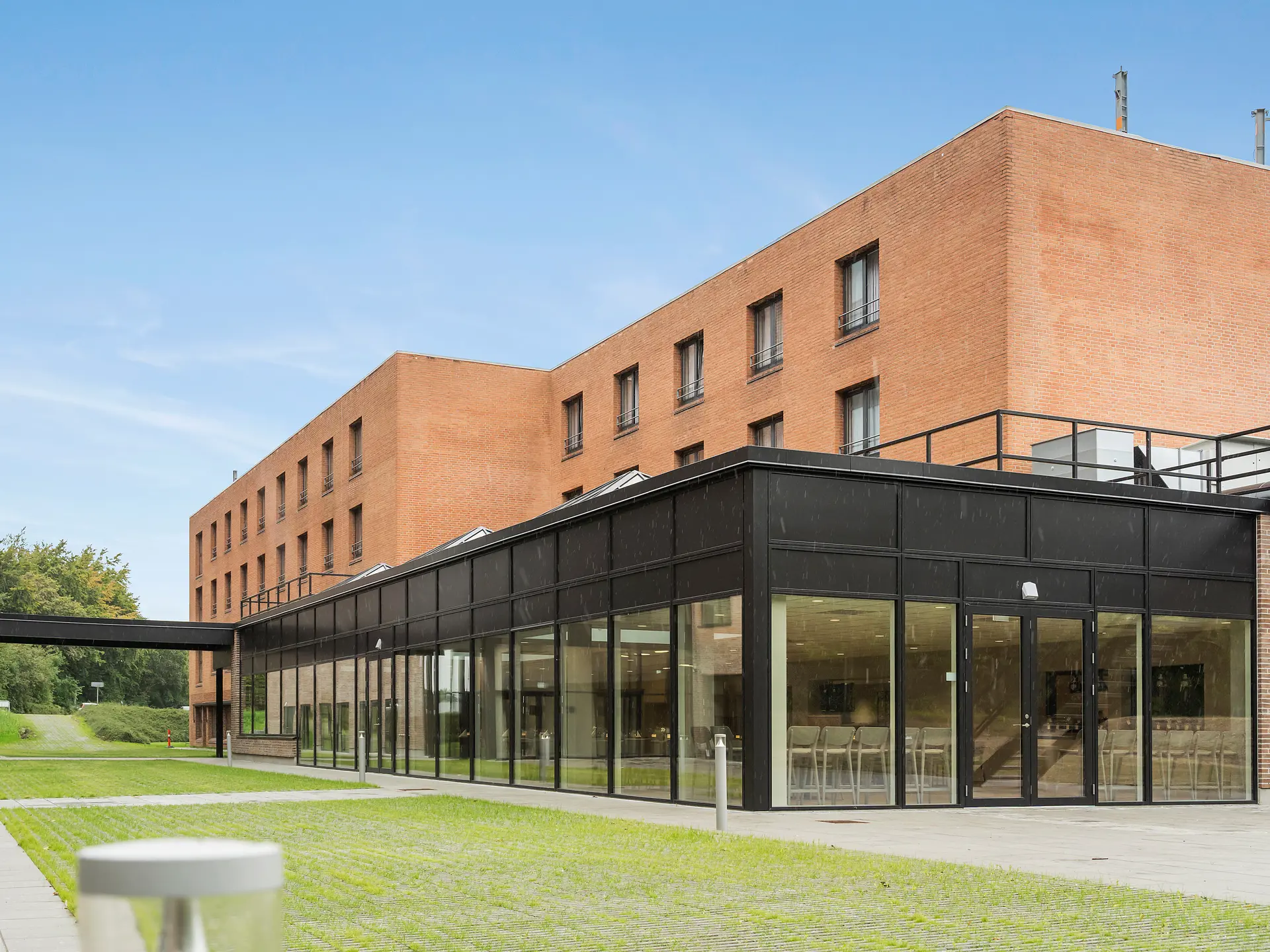
Cozy Hotel Close to Nature and City Life in Odense
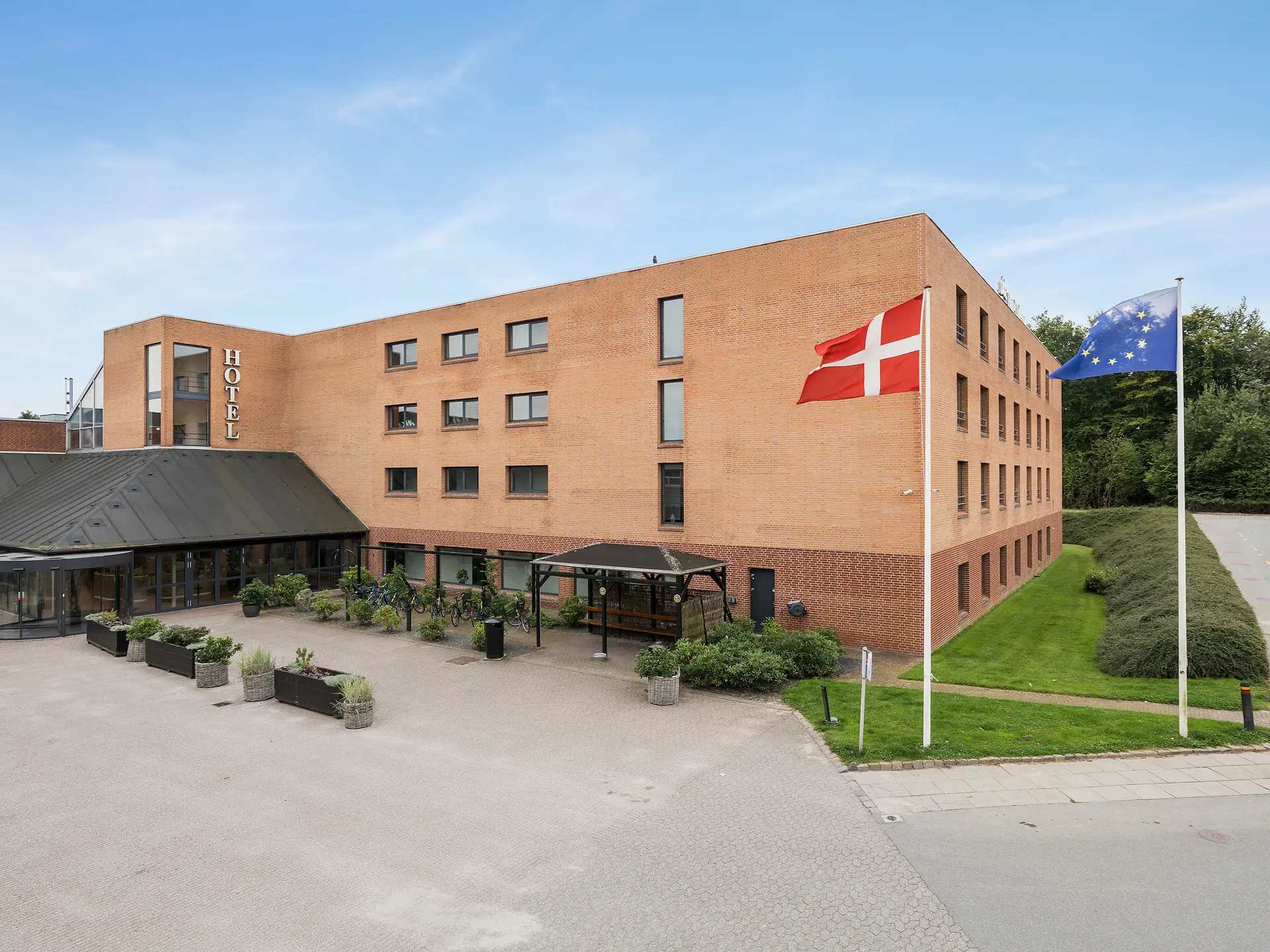
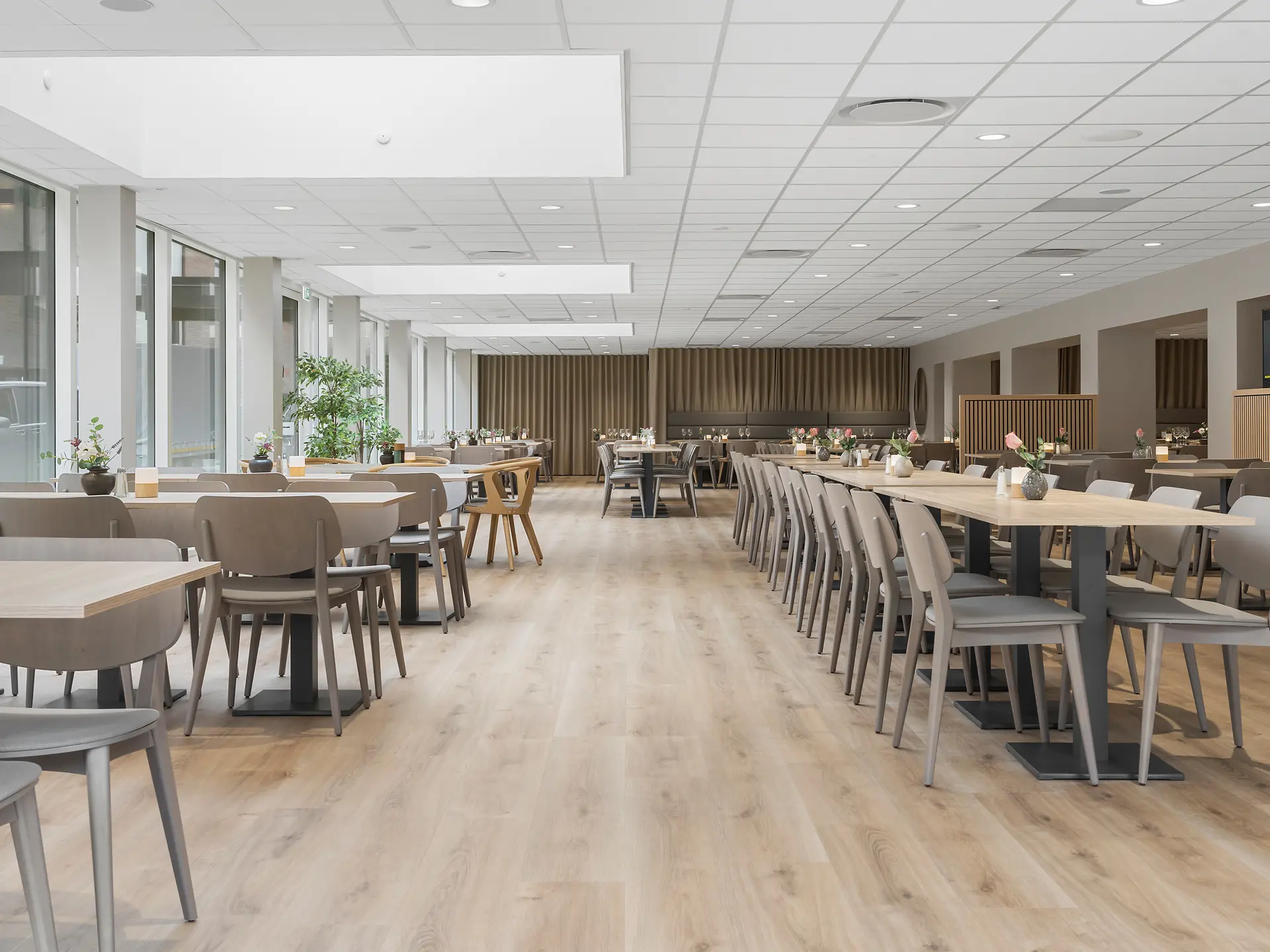
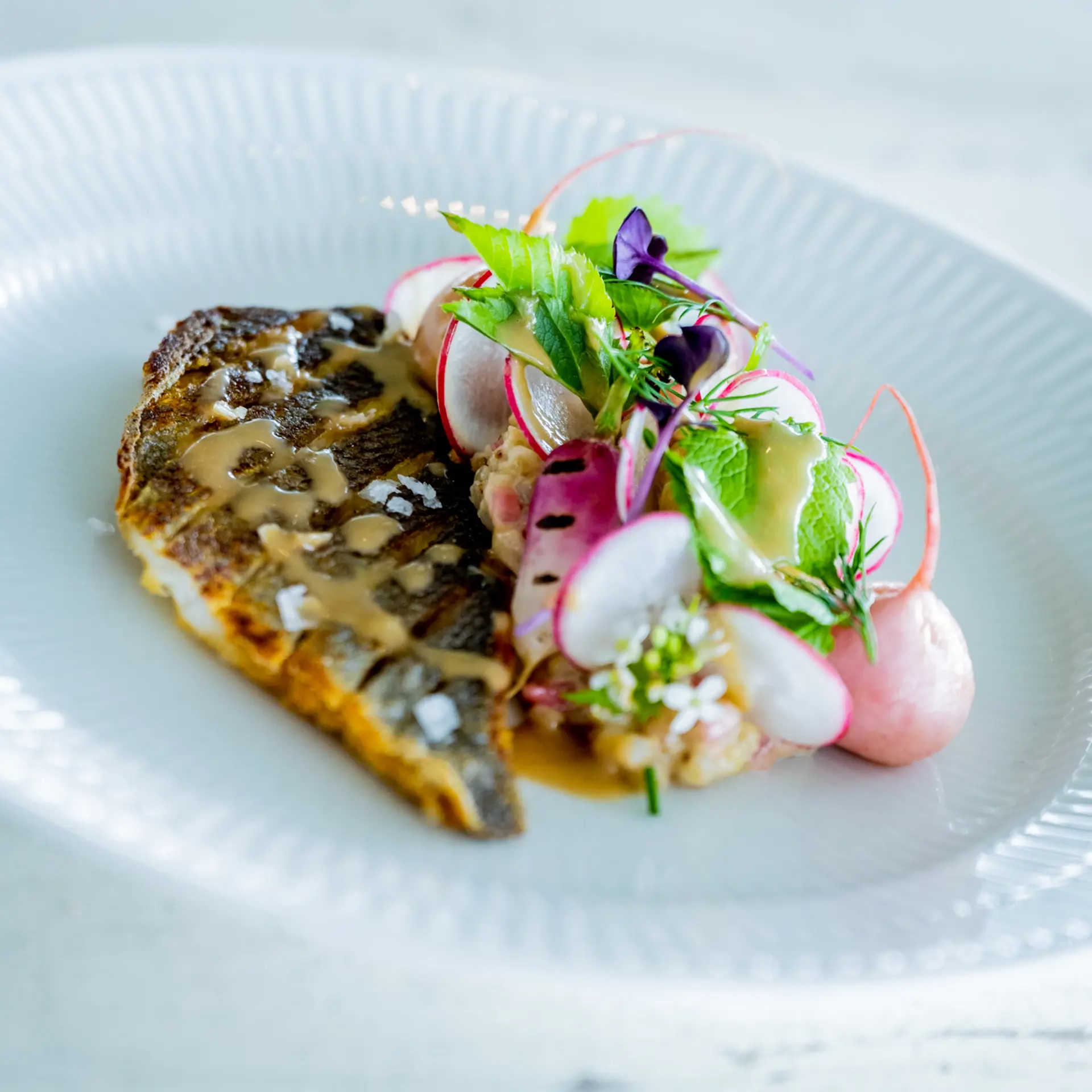
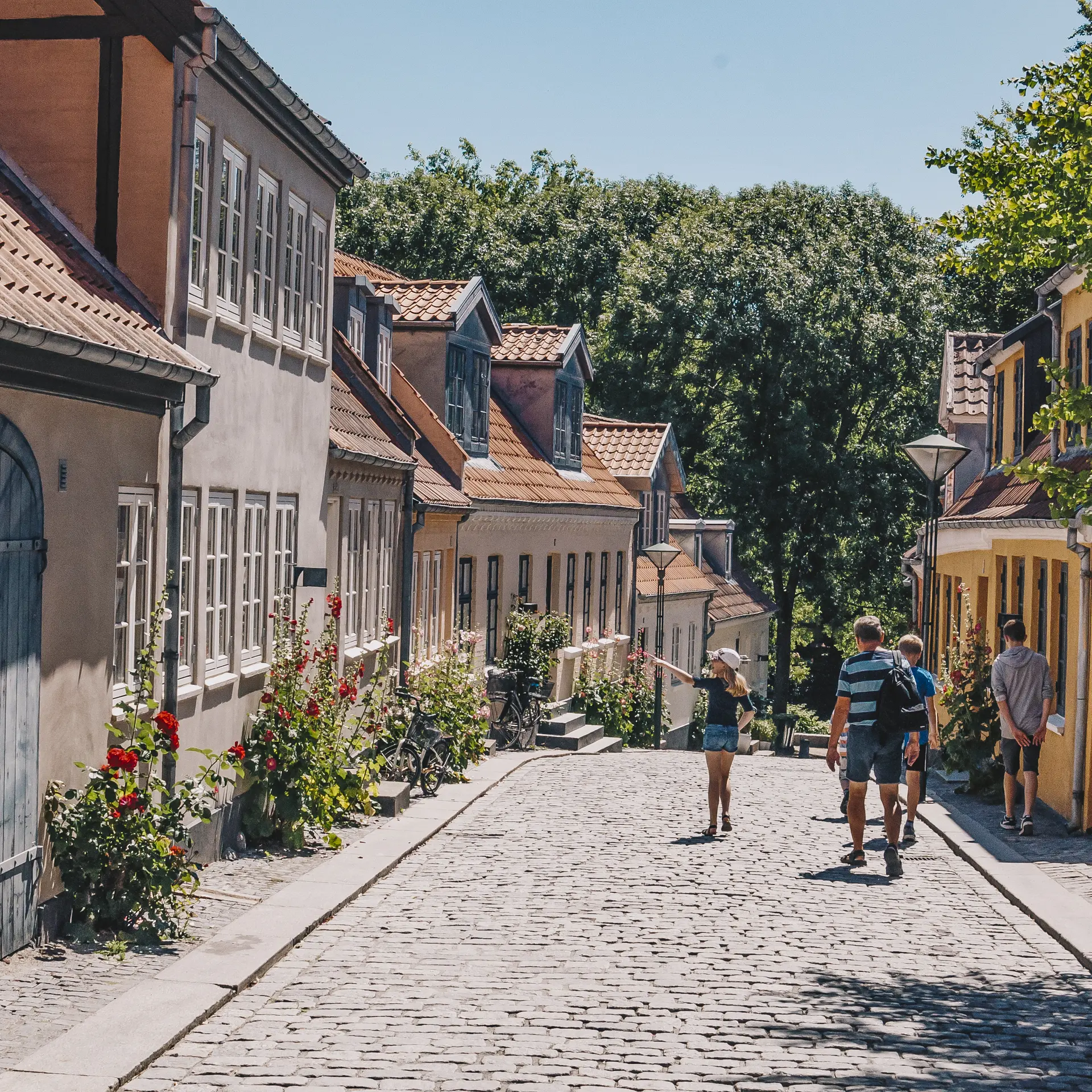
Hotel Odense - Partner Stays Hotel is centrally located on Funen, close to both lively city atmosphere and peaceful nature. Here, you have the opportunity to experience a wide range of family-friendly attractions, concerts, and enjoy the serene nature surrounding you. The hotel serves cold drinks in the lounge area and restaurant, where local Funen ingredients take center stage.
The hotel is part of the alliance with Best Western Hotels & Resorts - The Hotel Alliance.

Orbekvej 350, 5220 Odense

Show map
See calendar and prices: Hotel Odense - Partner Stays Hotel Send an e-mail

Hotel Facilities

  • Charging station
  • Restaurant
  • Free parking
  • Fitness Room
  • Bar/lounge
  • Non smoking
  • Wellness
  • Green Key
  • Free wifi
  • Bicycle loan/rental
  • Rooms: 304

Close to nature and city life

The hotel is part of the alliance with Best Western Hotels & Resorts - The Hotel Alliance.

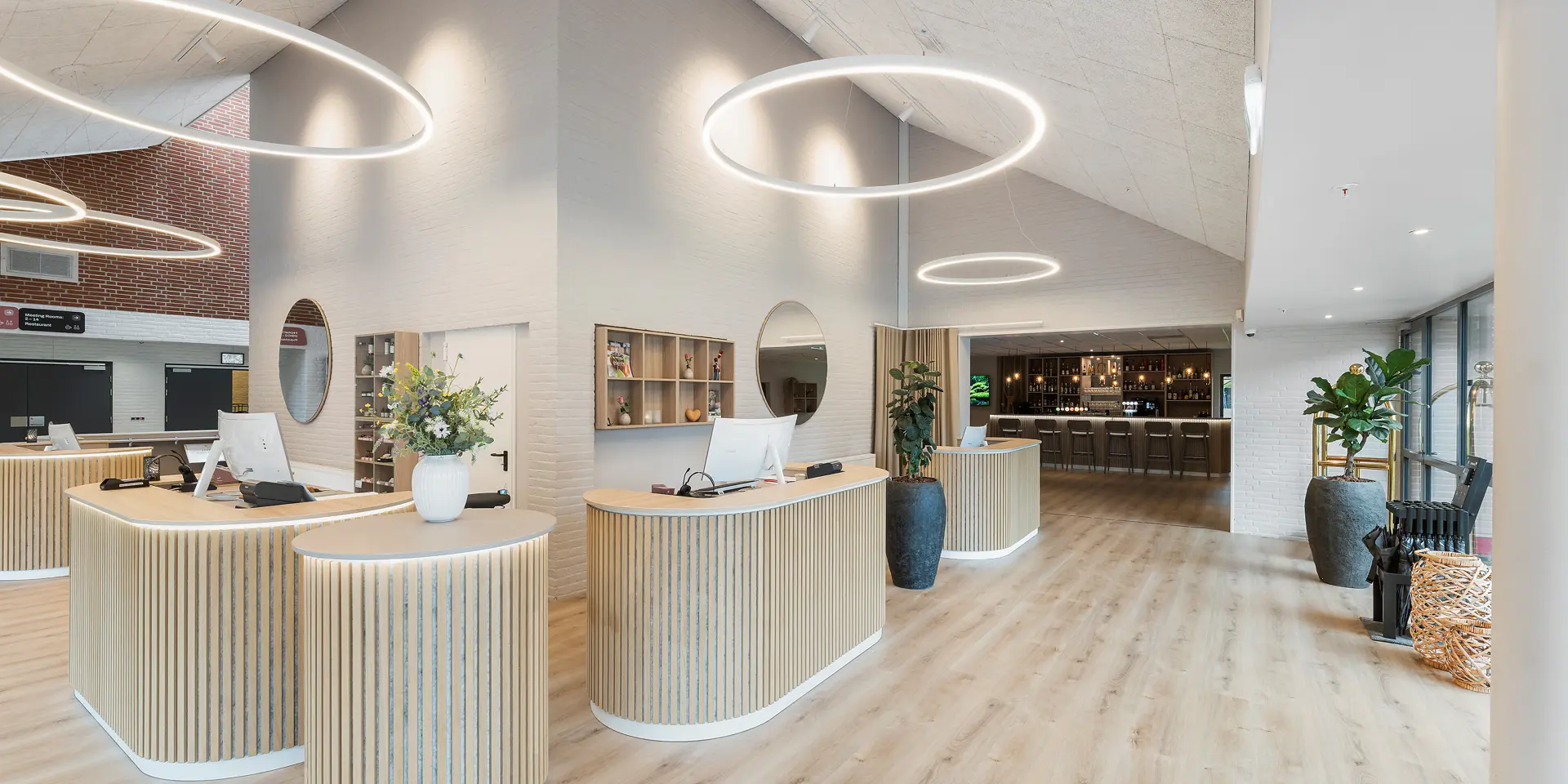
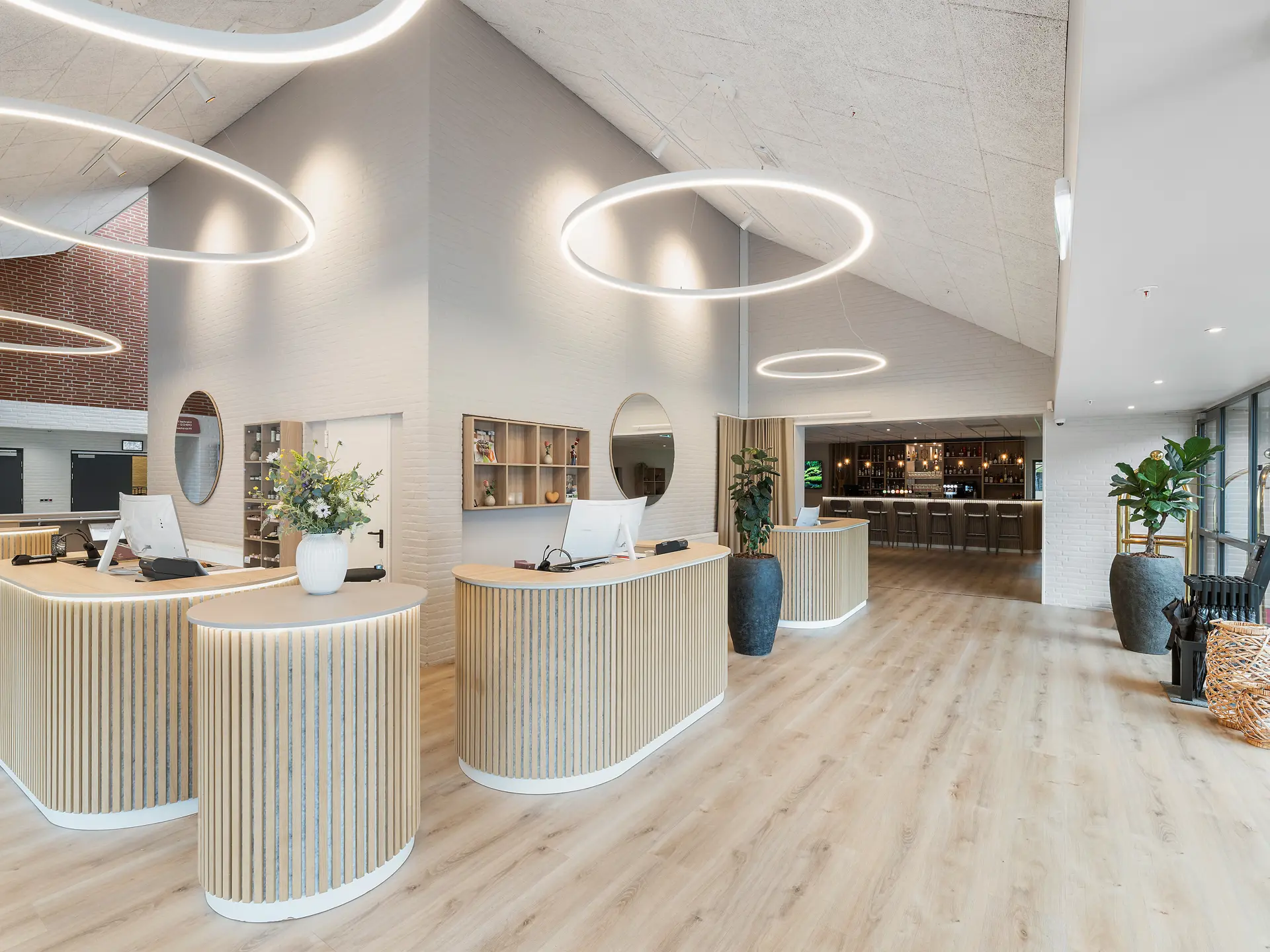
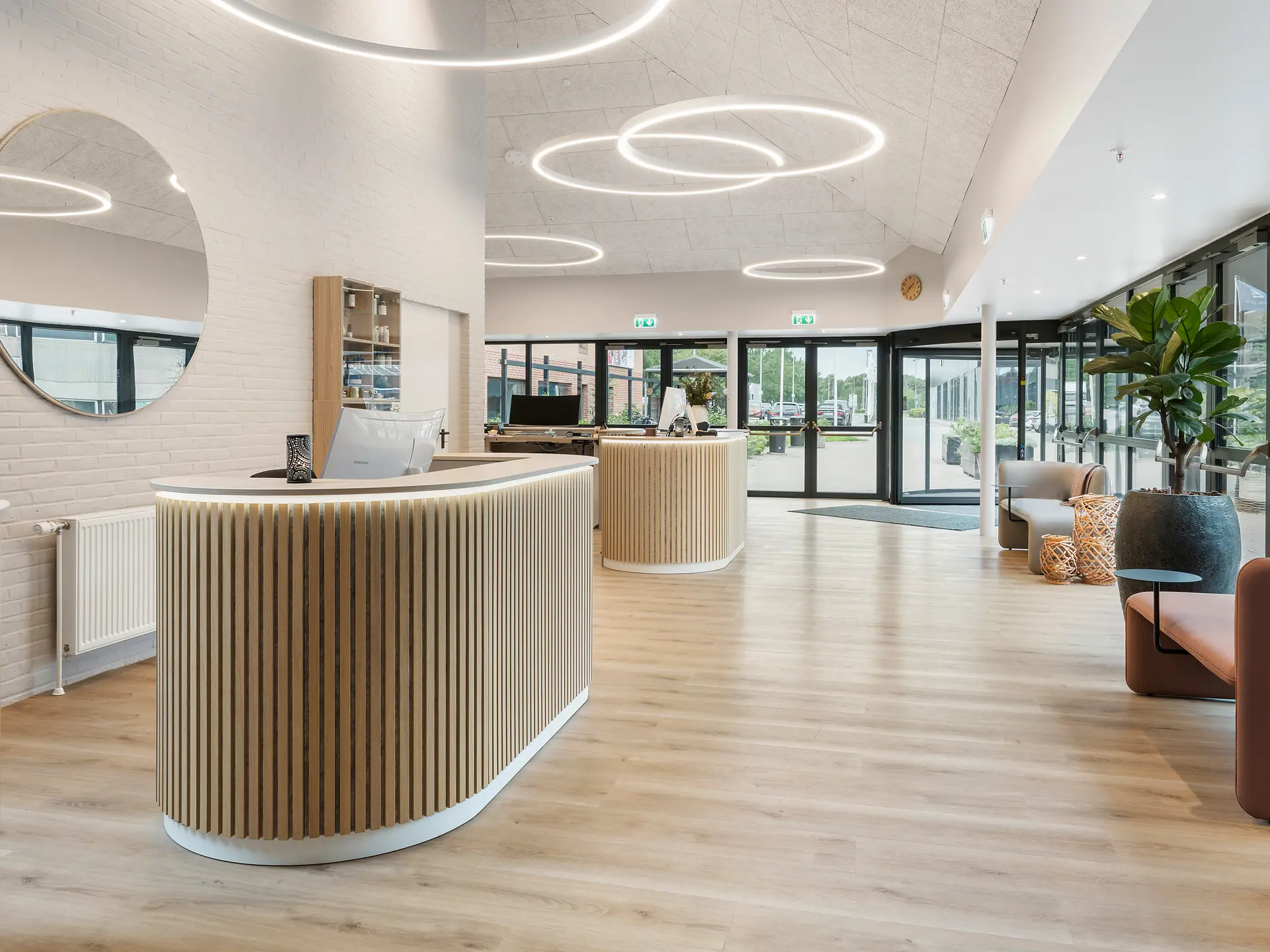
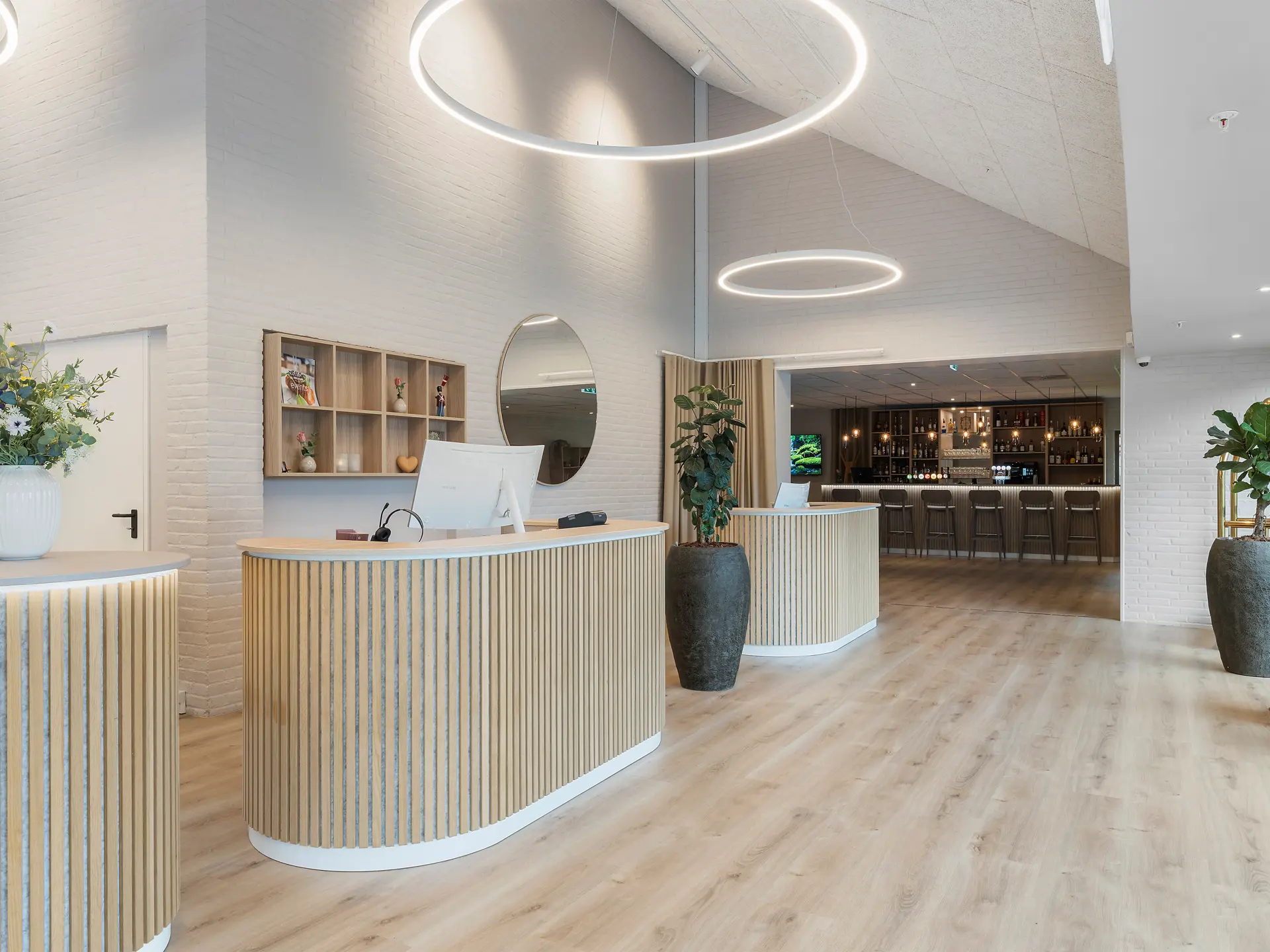
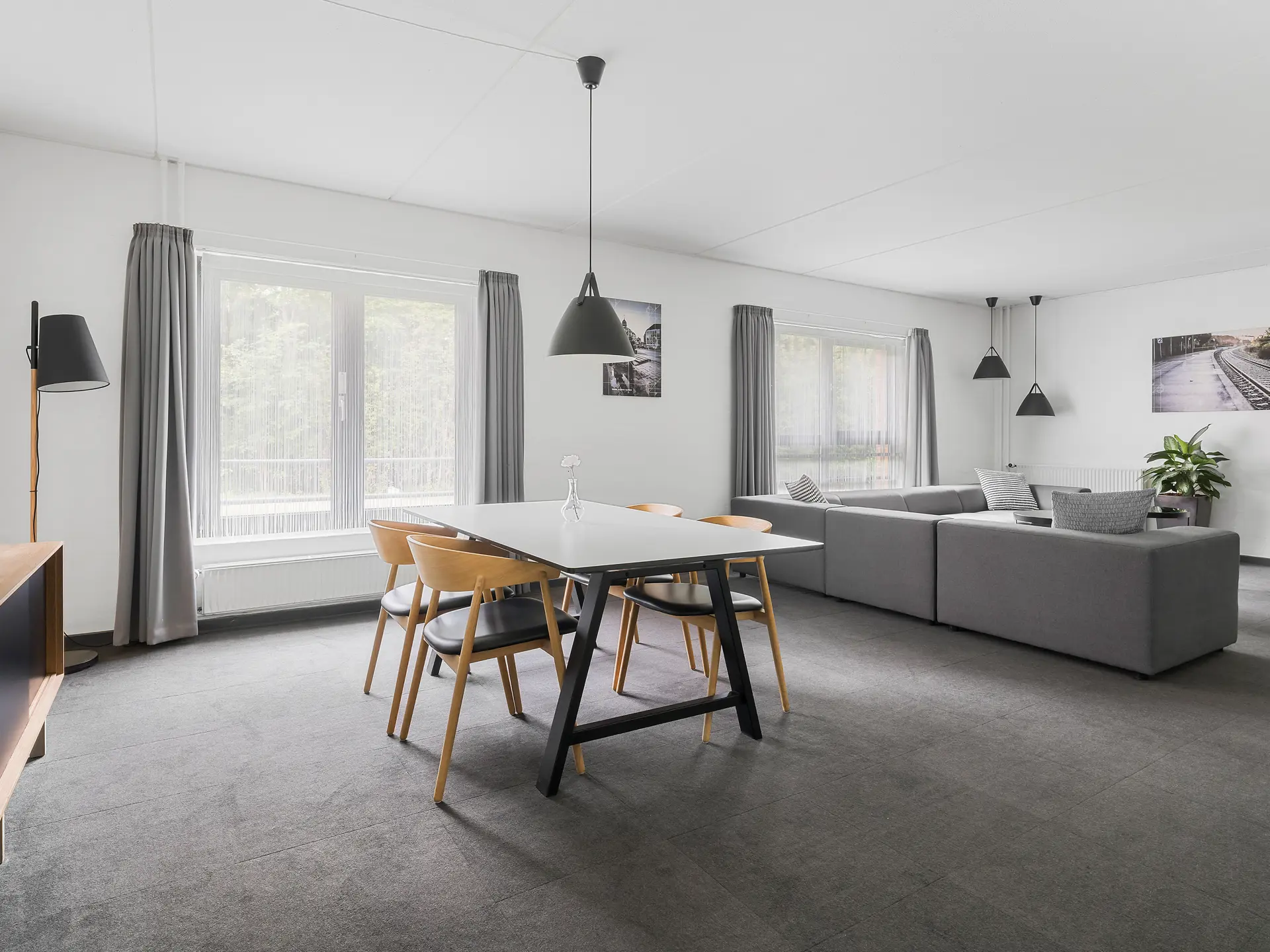
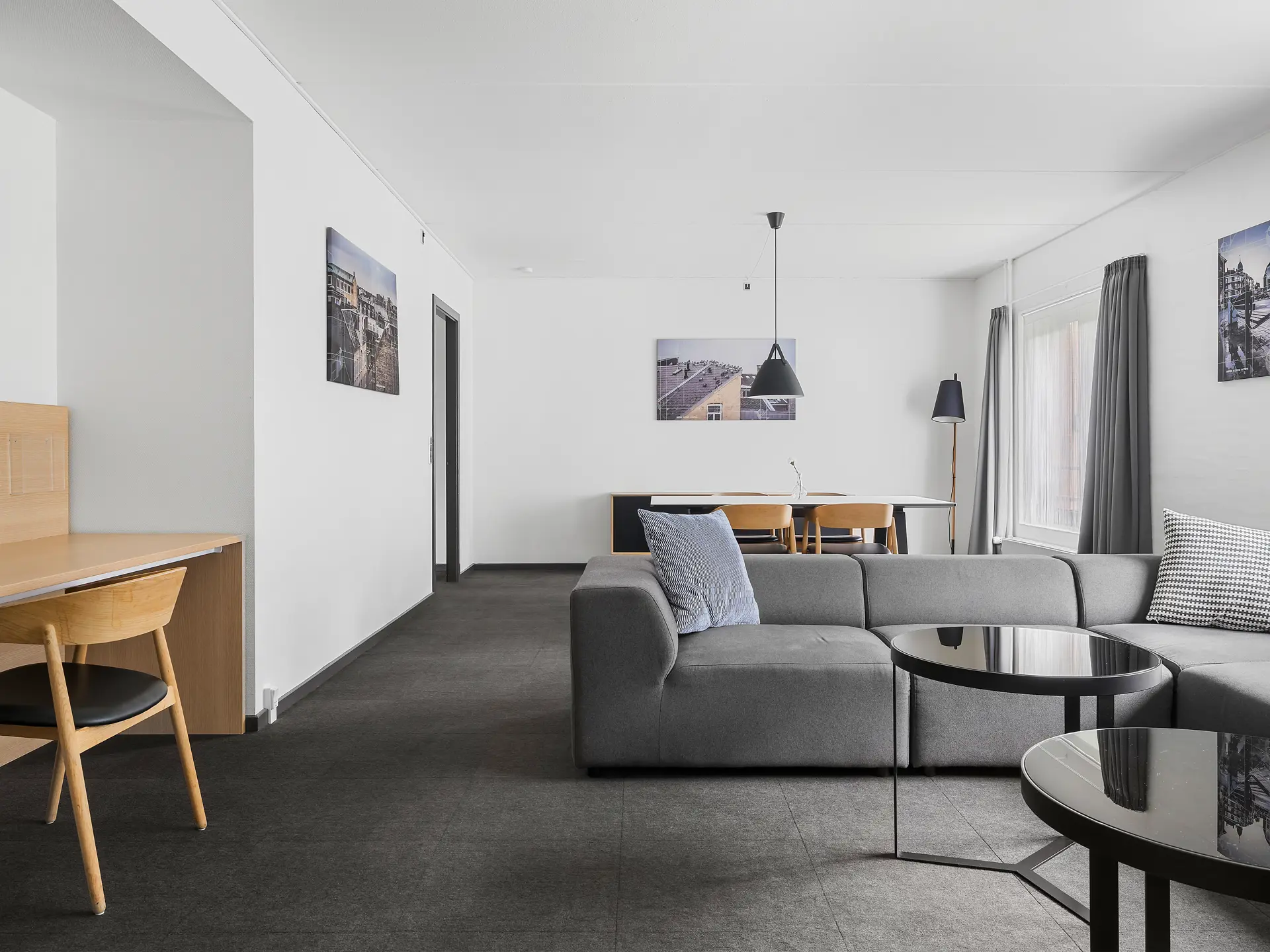
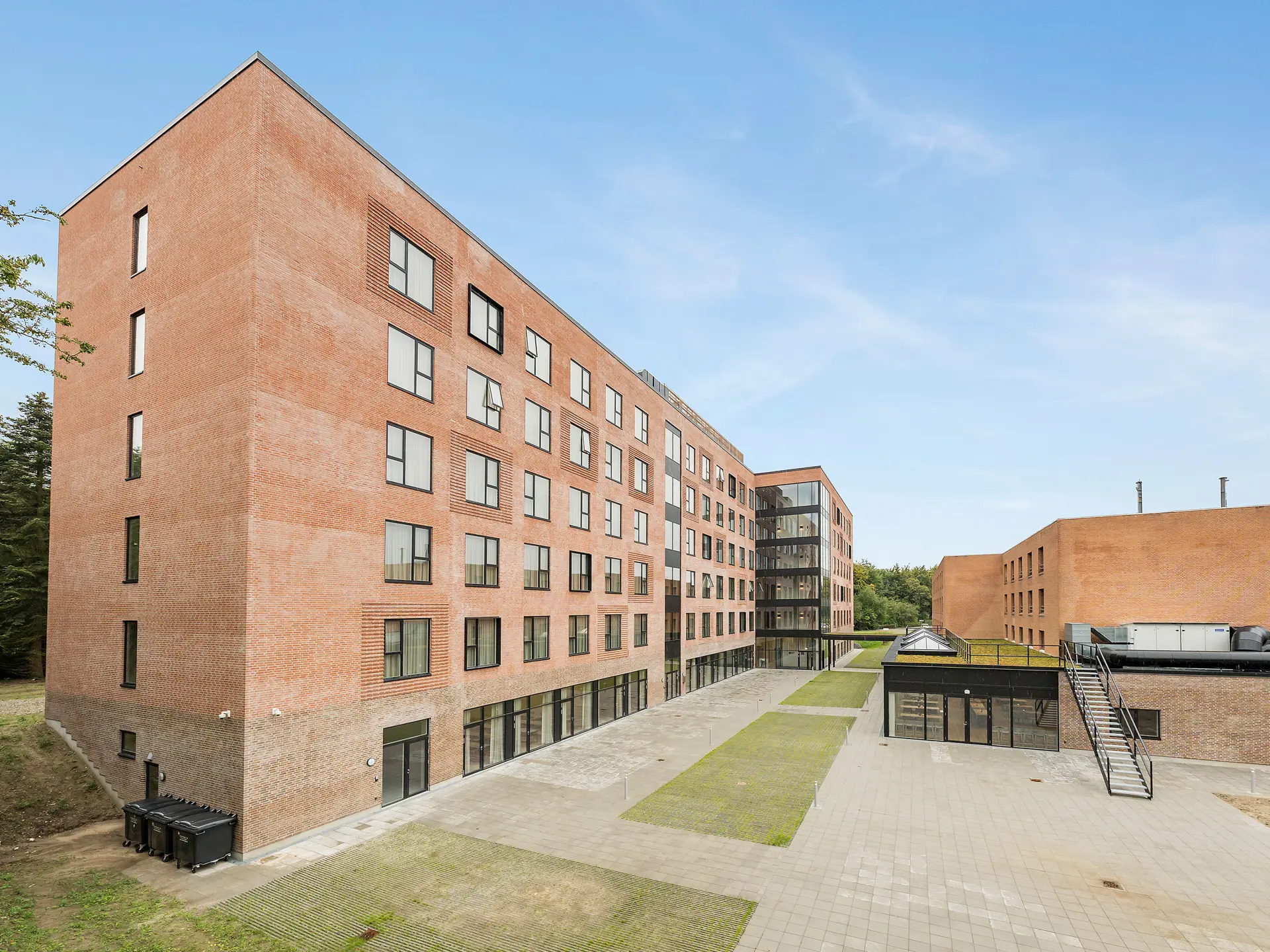
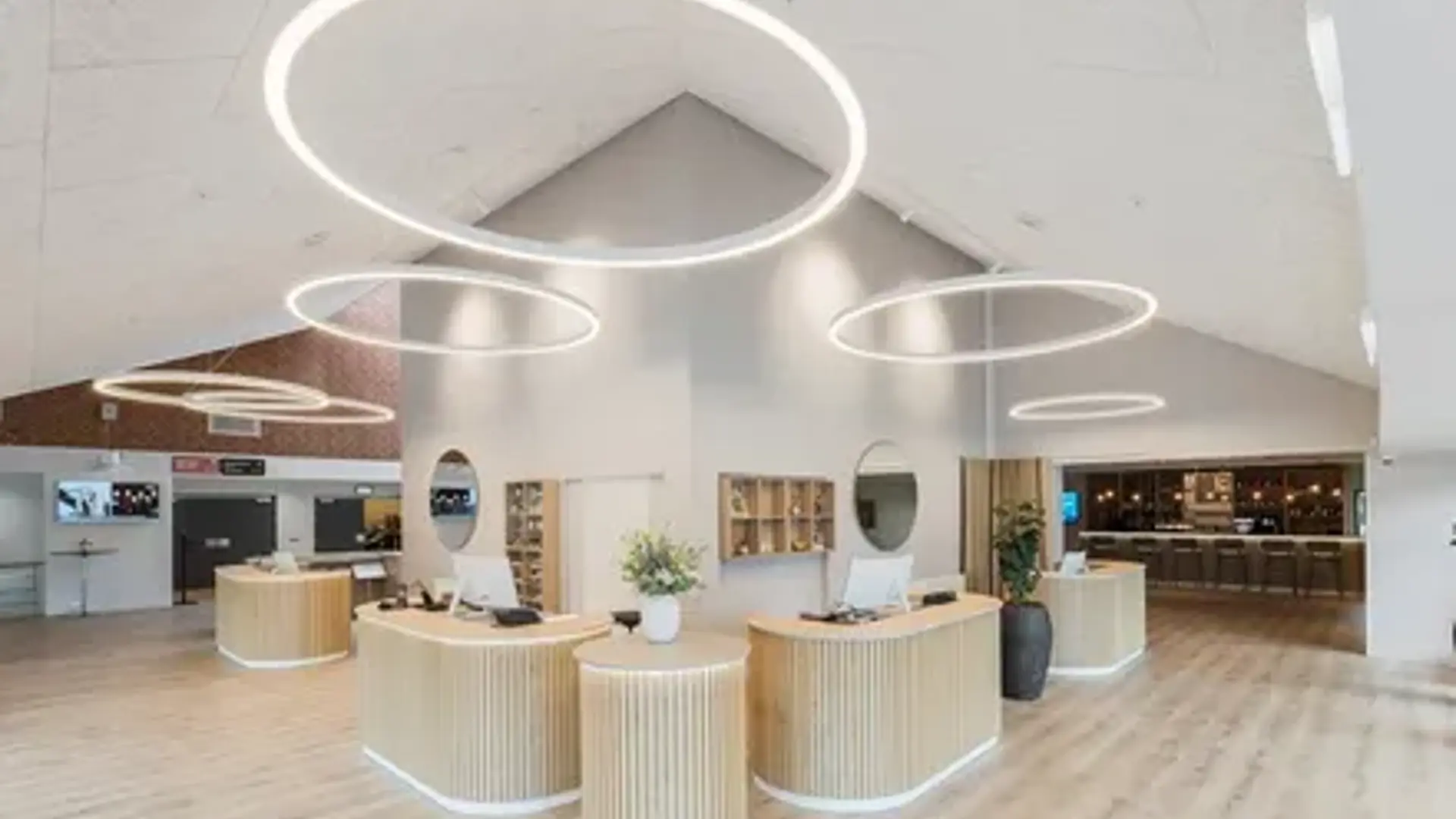
When you enter the renovated hotel, you are greeted by an inviting atmosphere. The hotel features spacious rooms, a modern restaurant focused on Funen delicacies, and top-notch meeting facilities. Its central location makes it easy to access local attractions and public transportation. With always helpful staff, the hotel is ready to ensure that you make the most of your stay in Funen. Whether your plan is to explore the area or relax in the hotel’s facilities, you will find the ideal stay here.

The Rooms
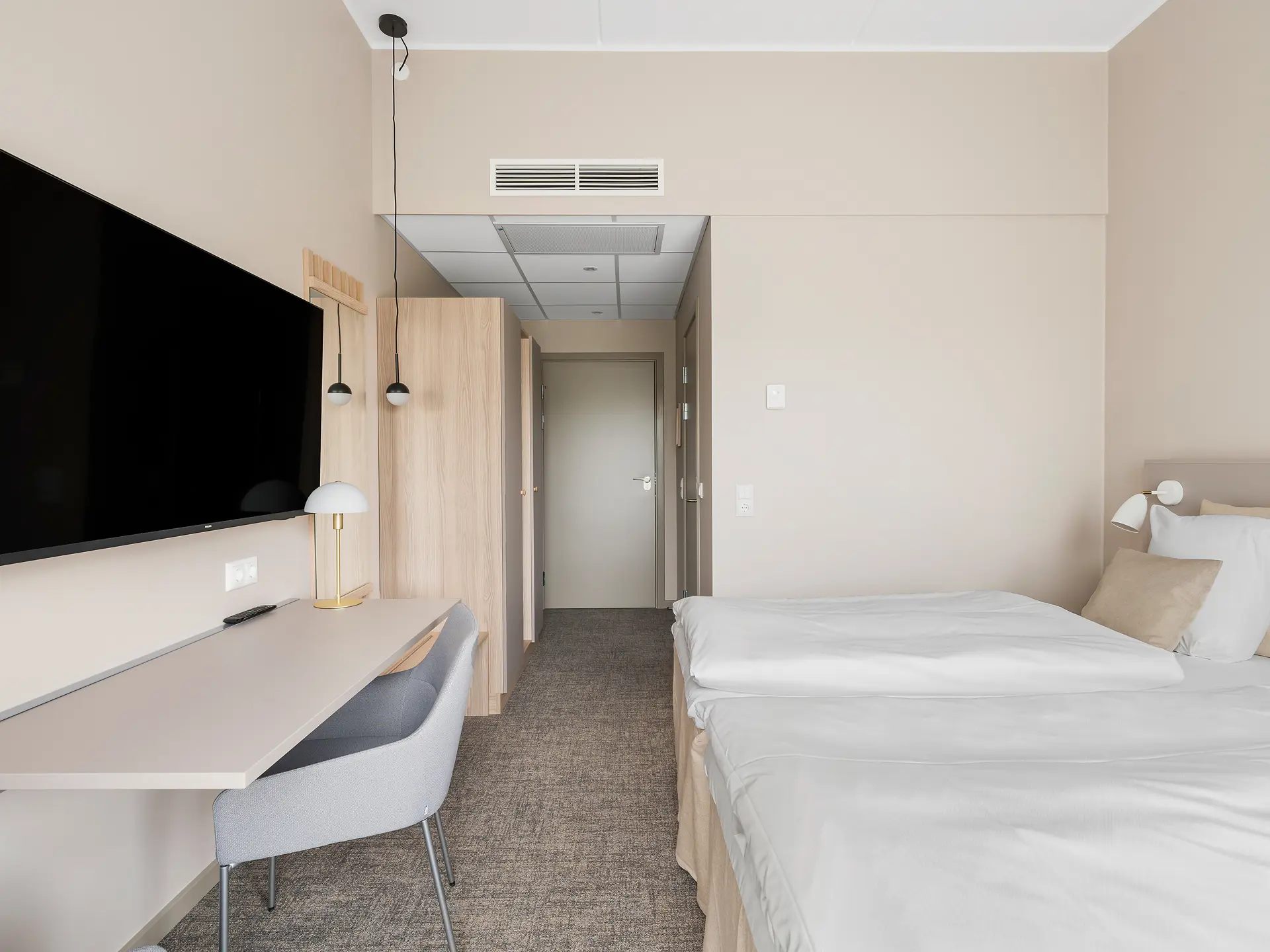
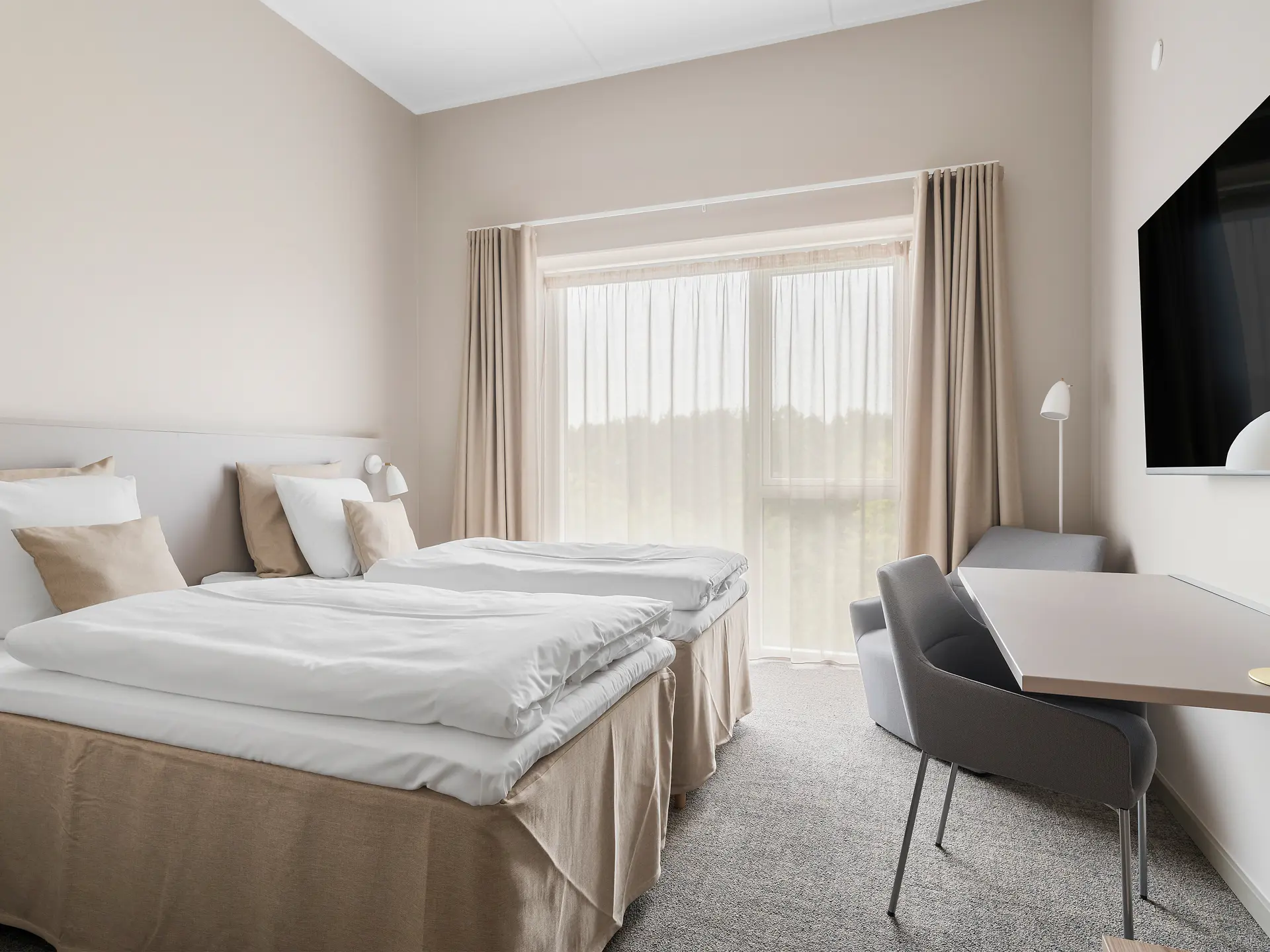
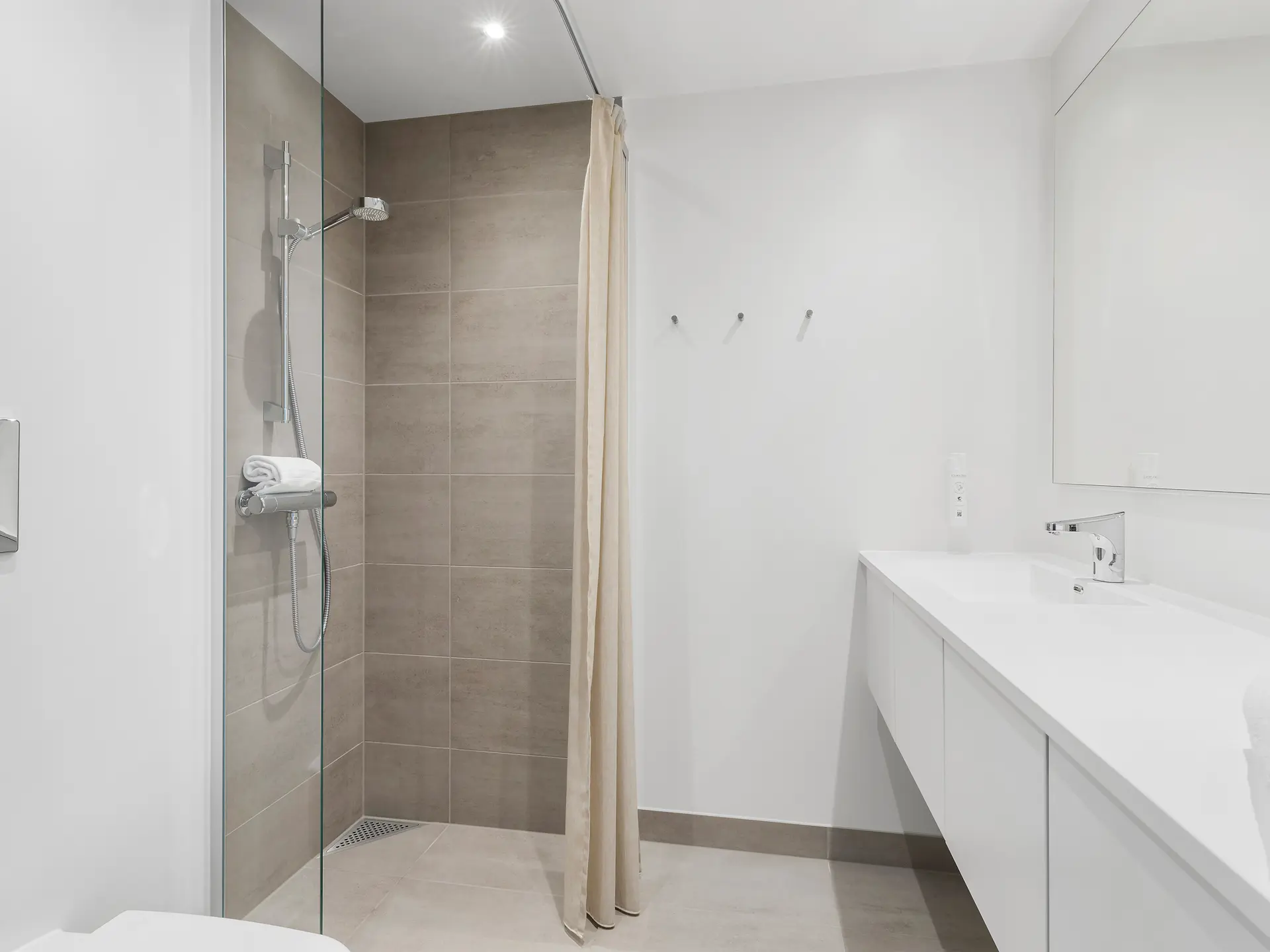
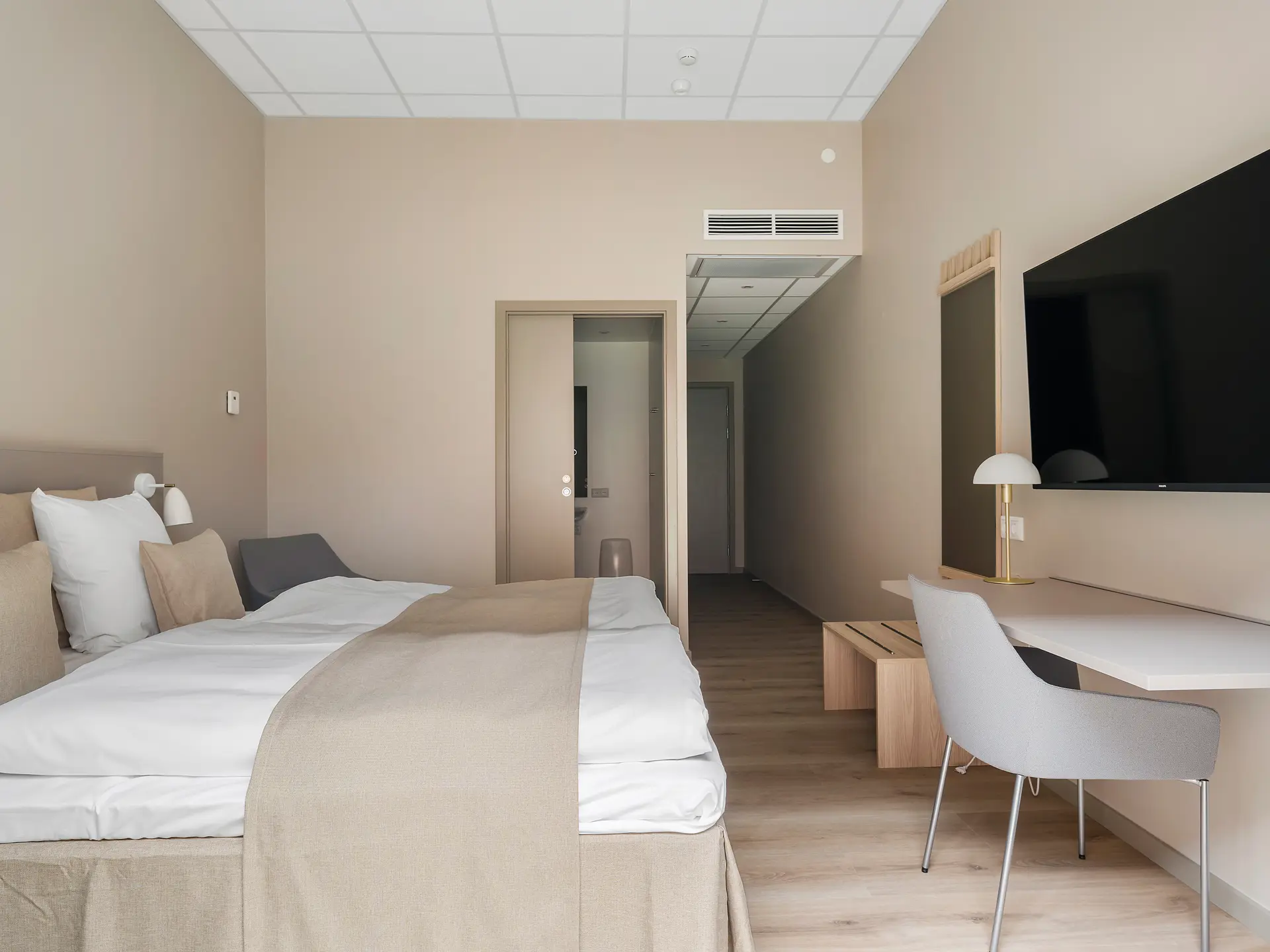
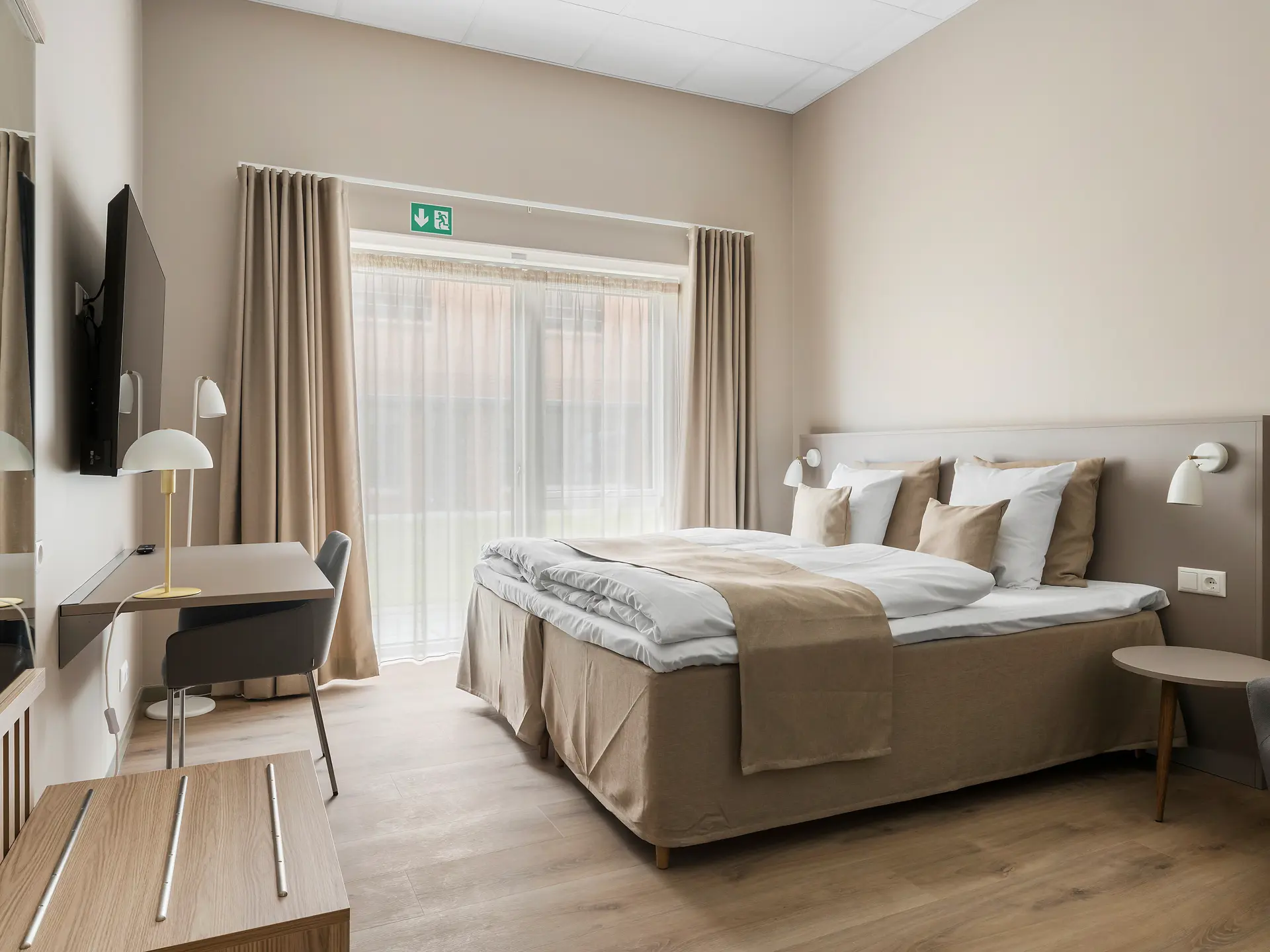
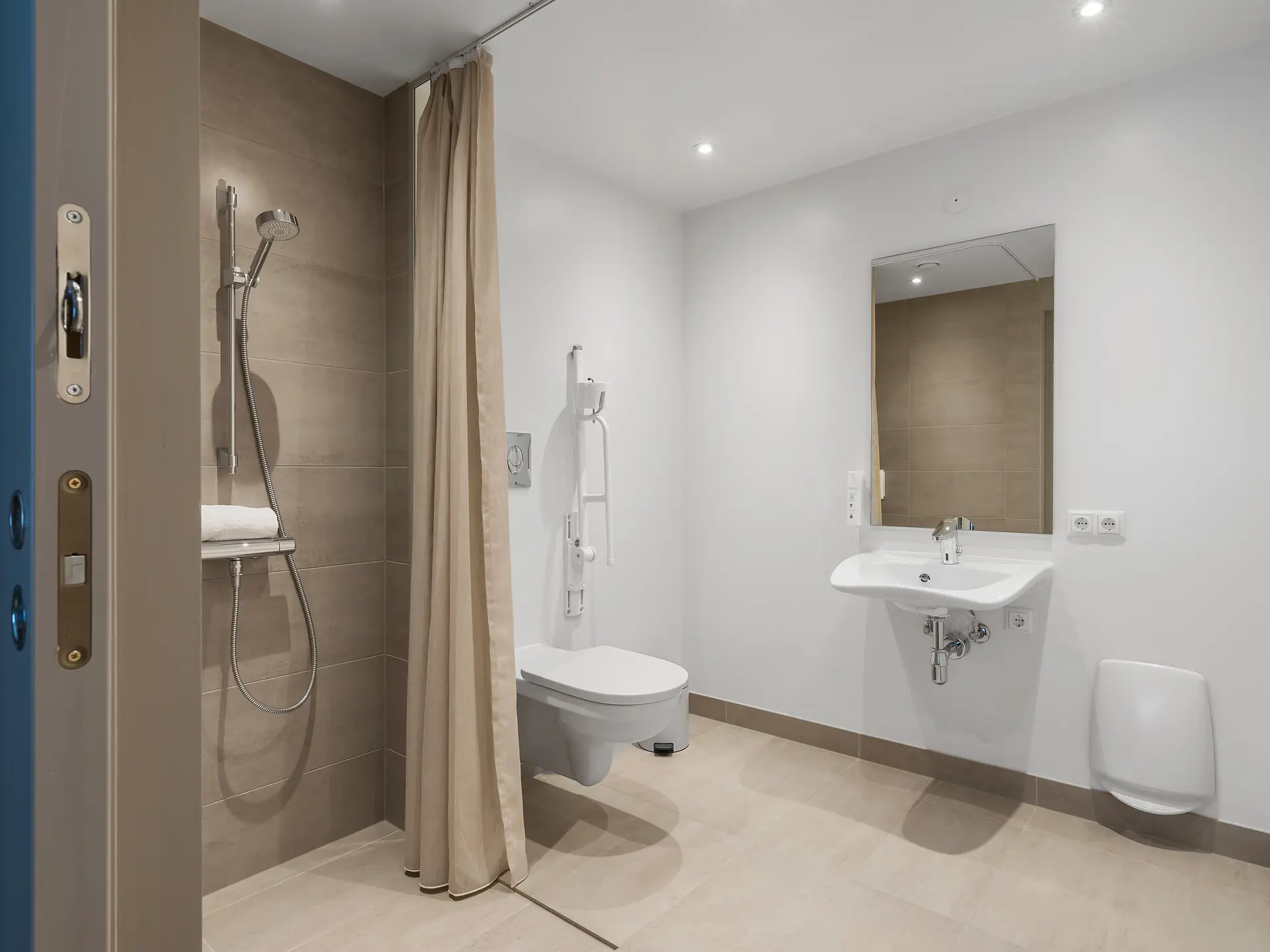
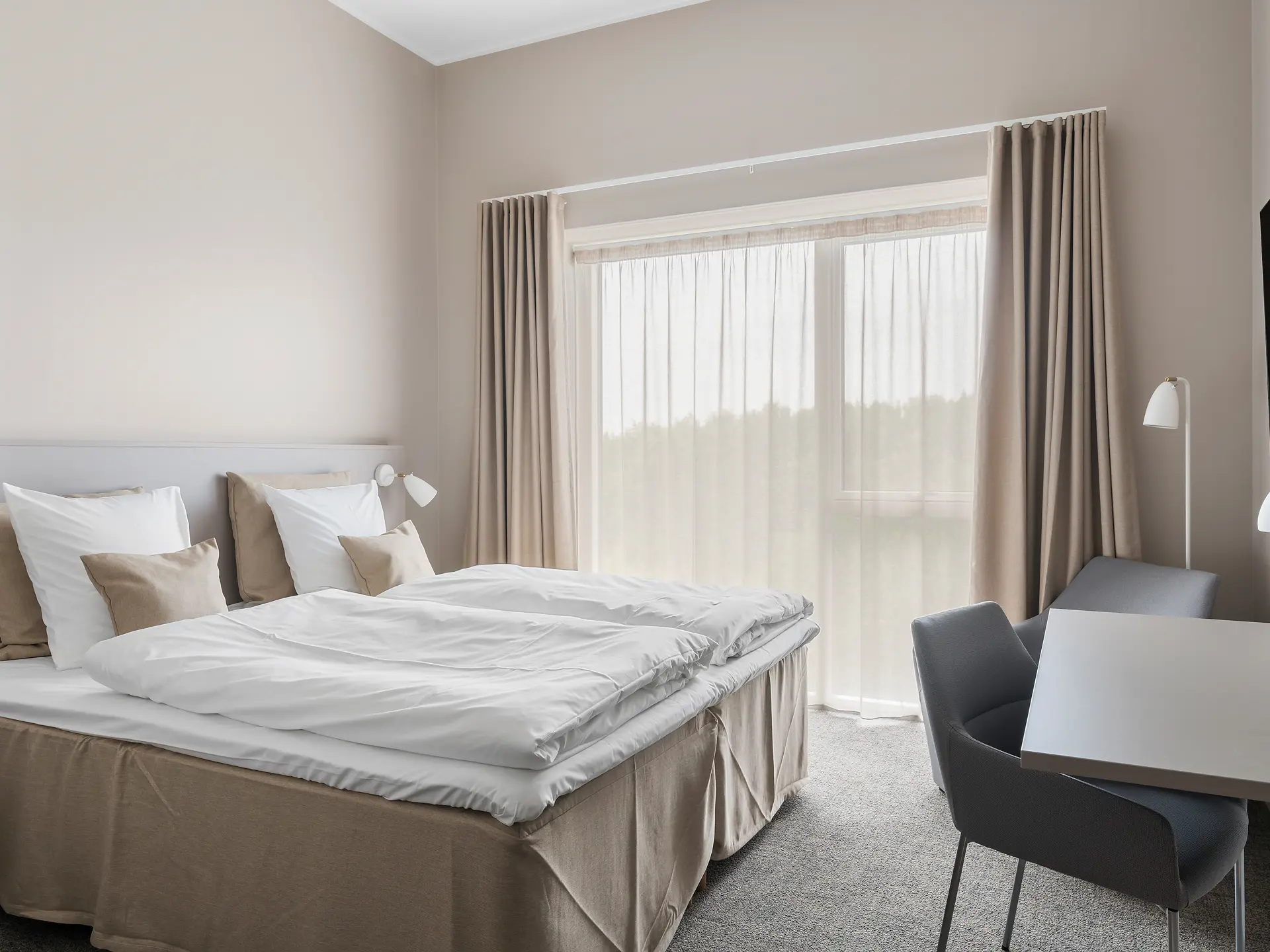
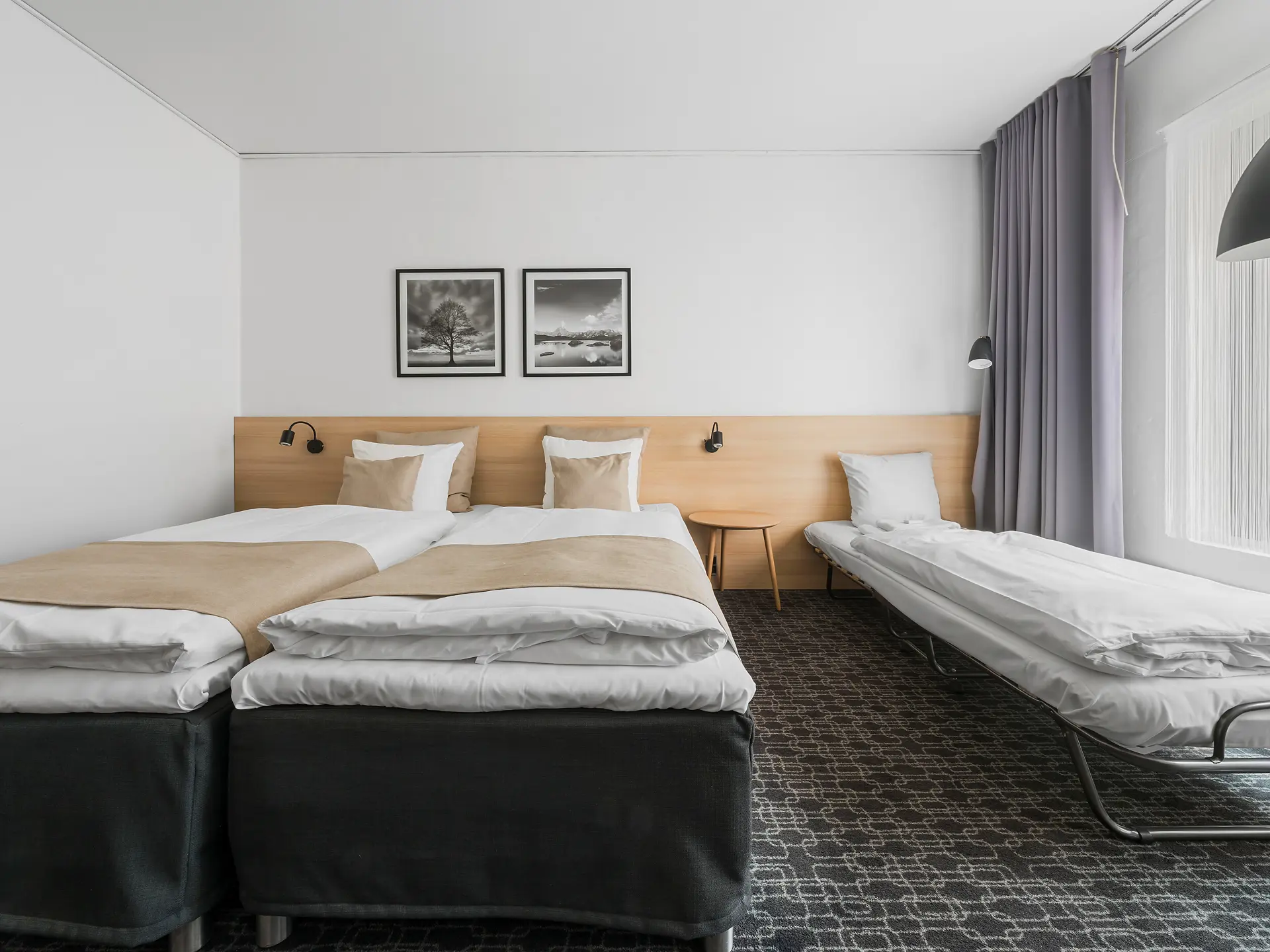
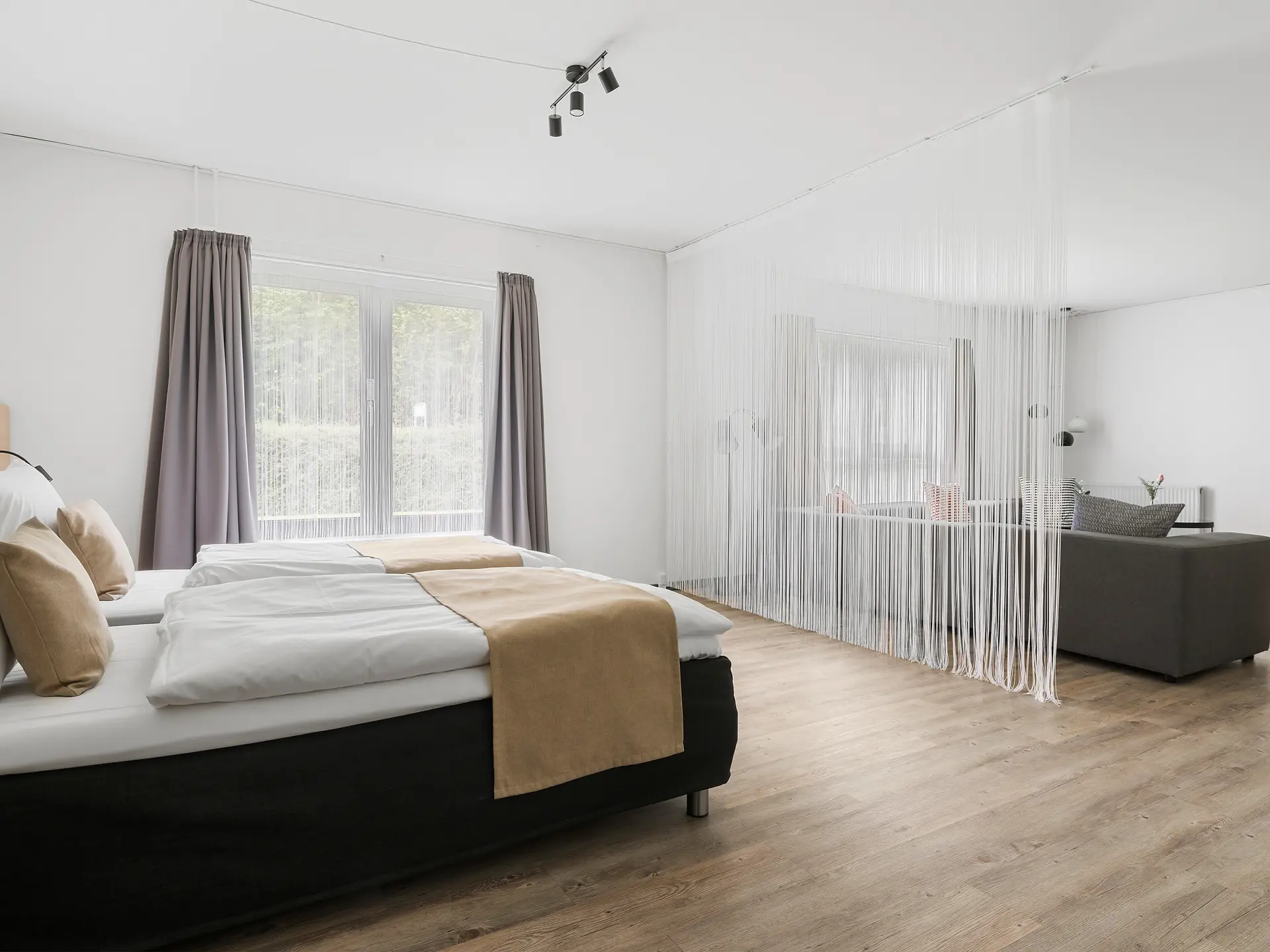
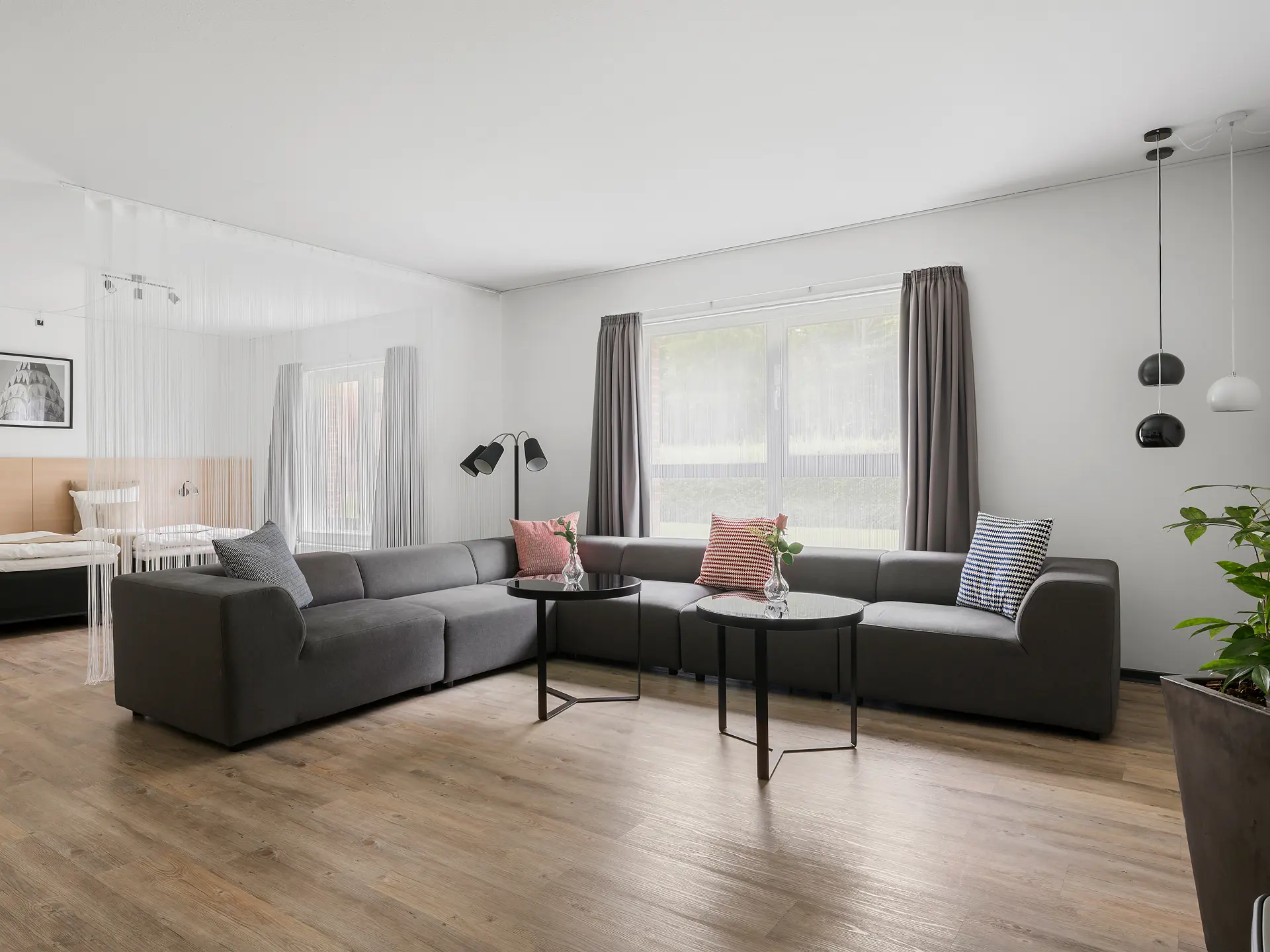
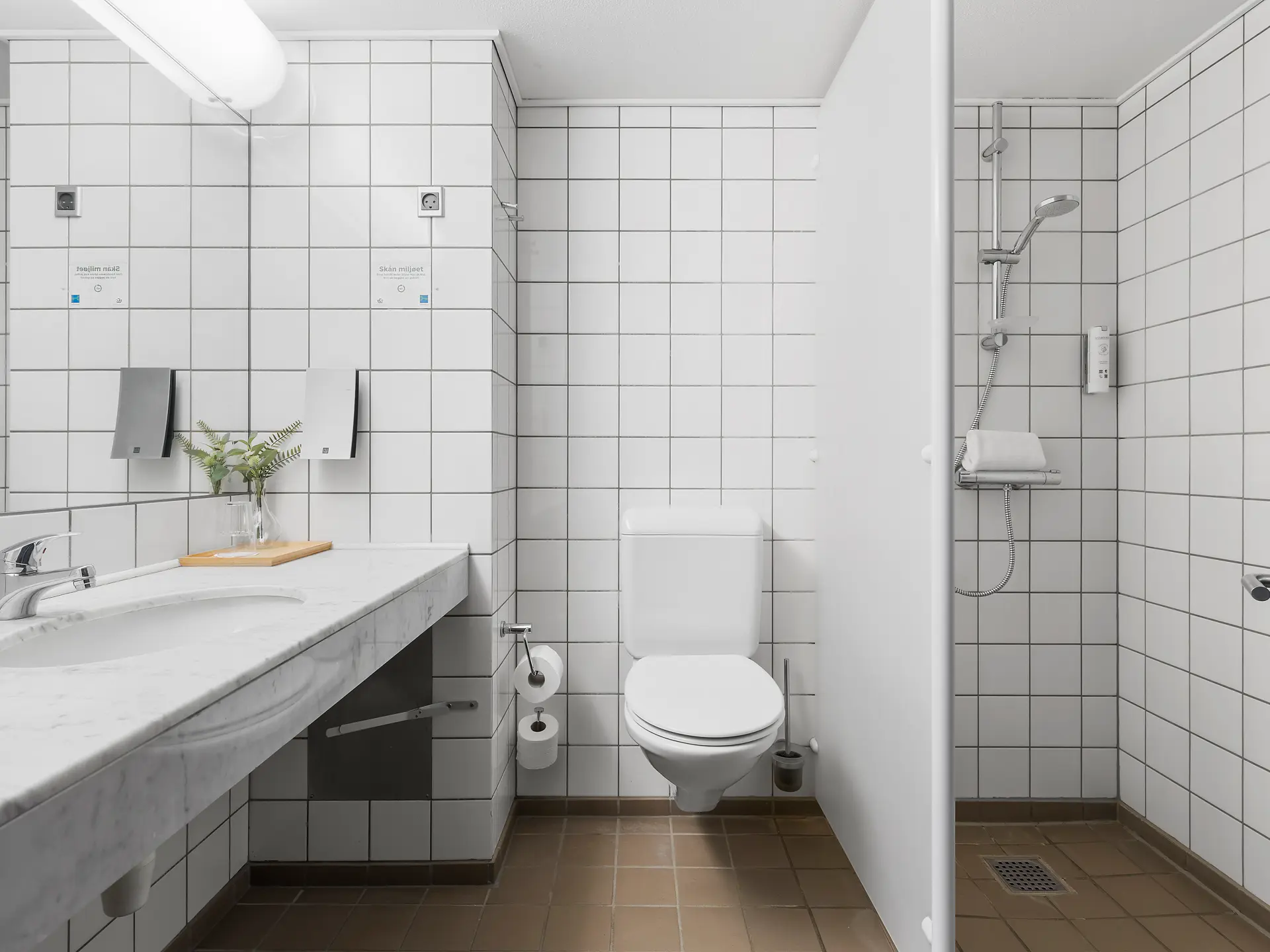
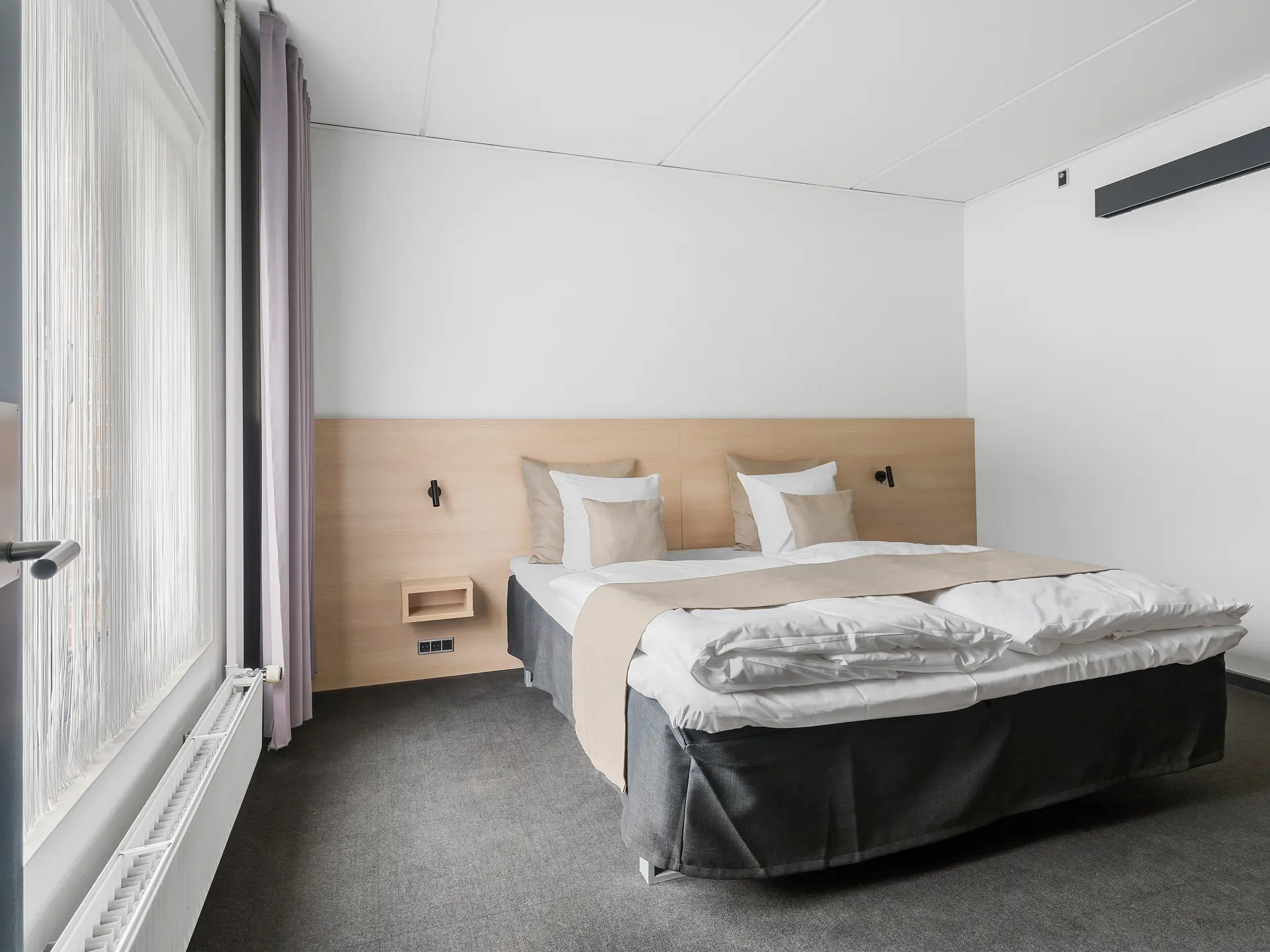
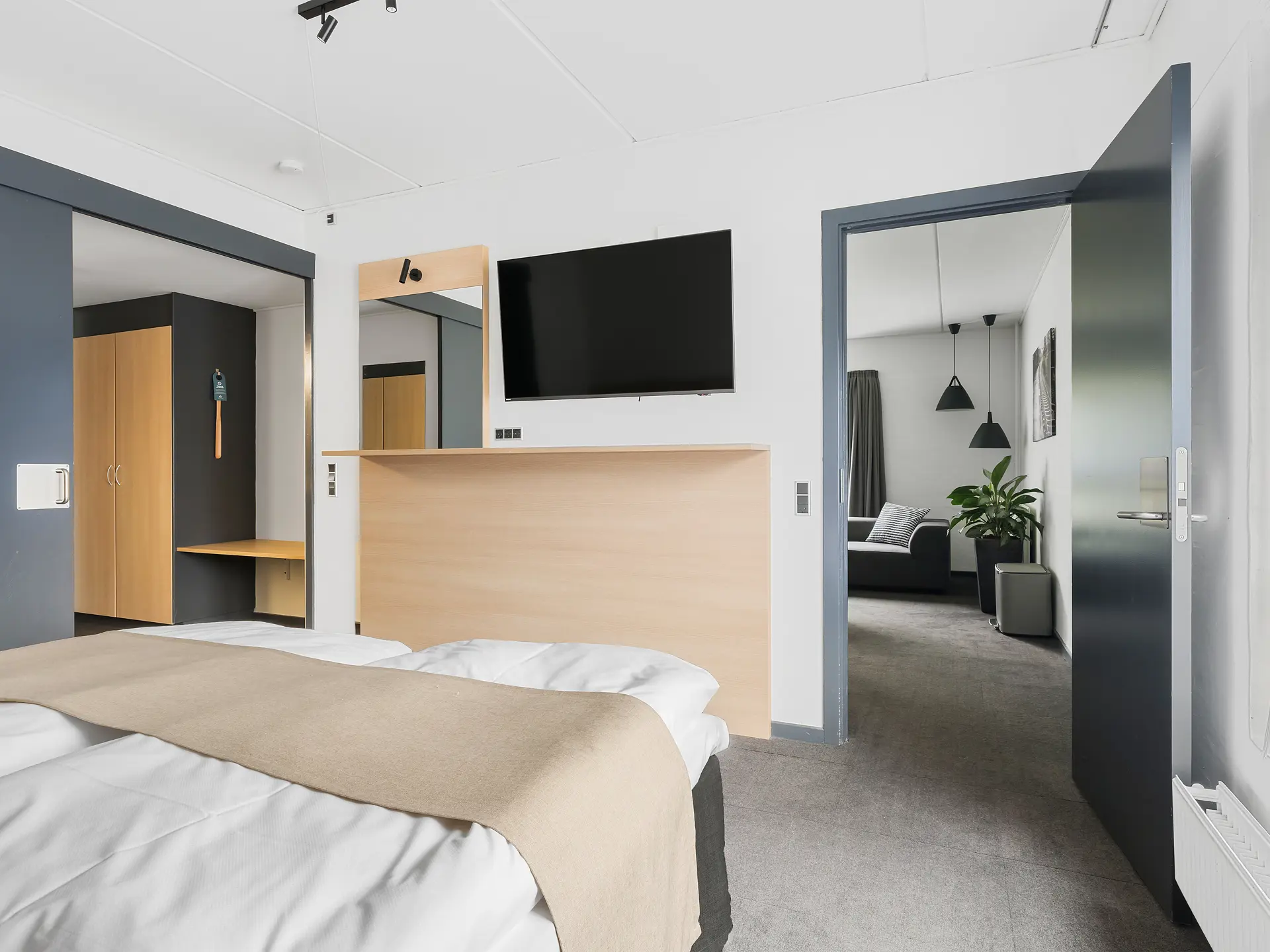
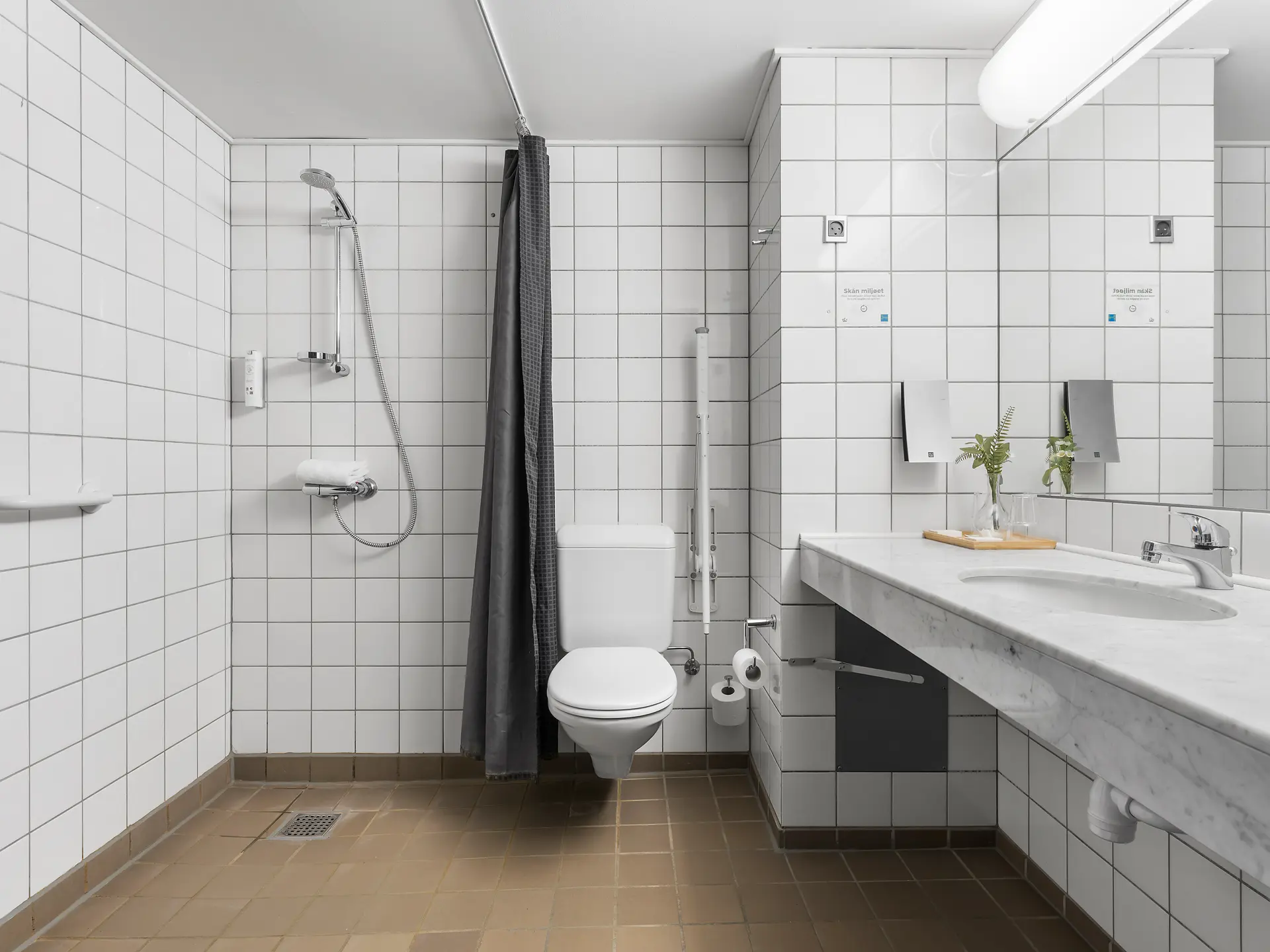
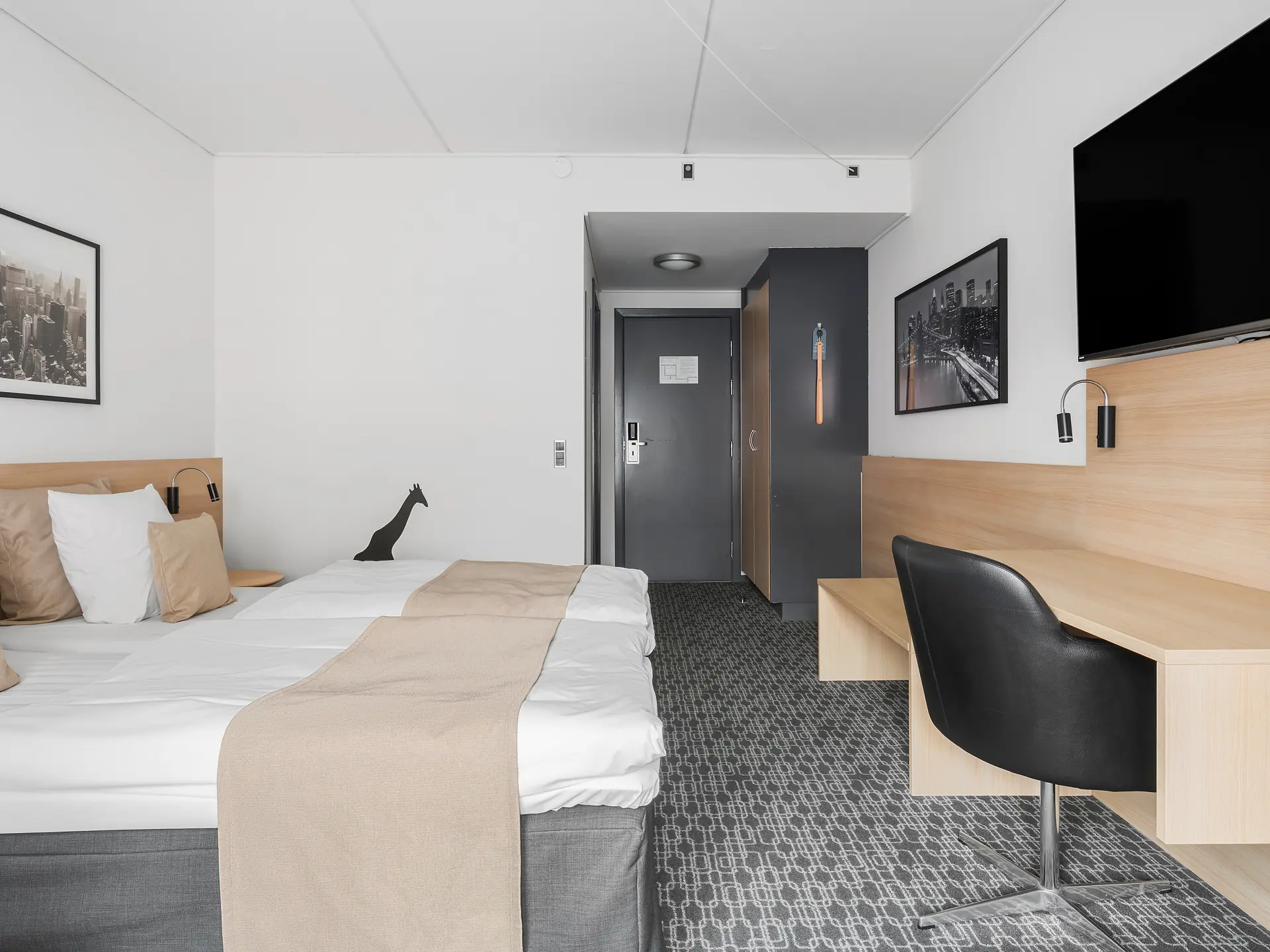
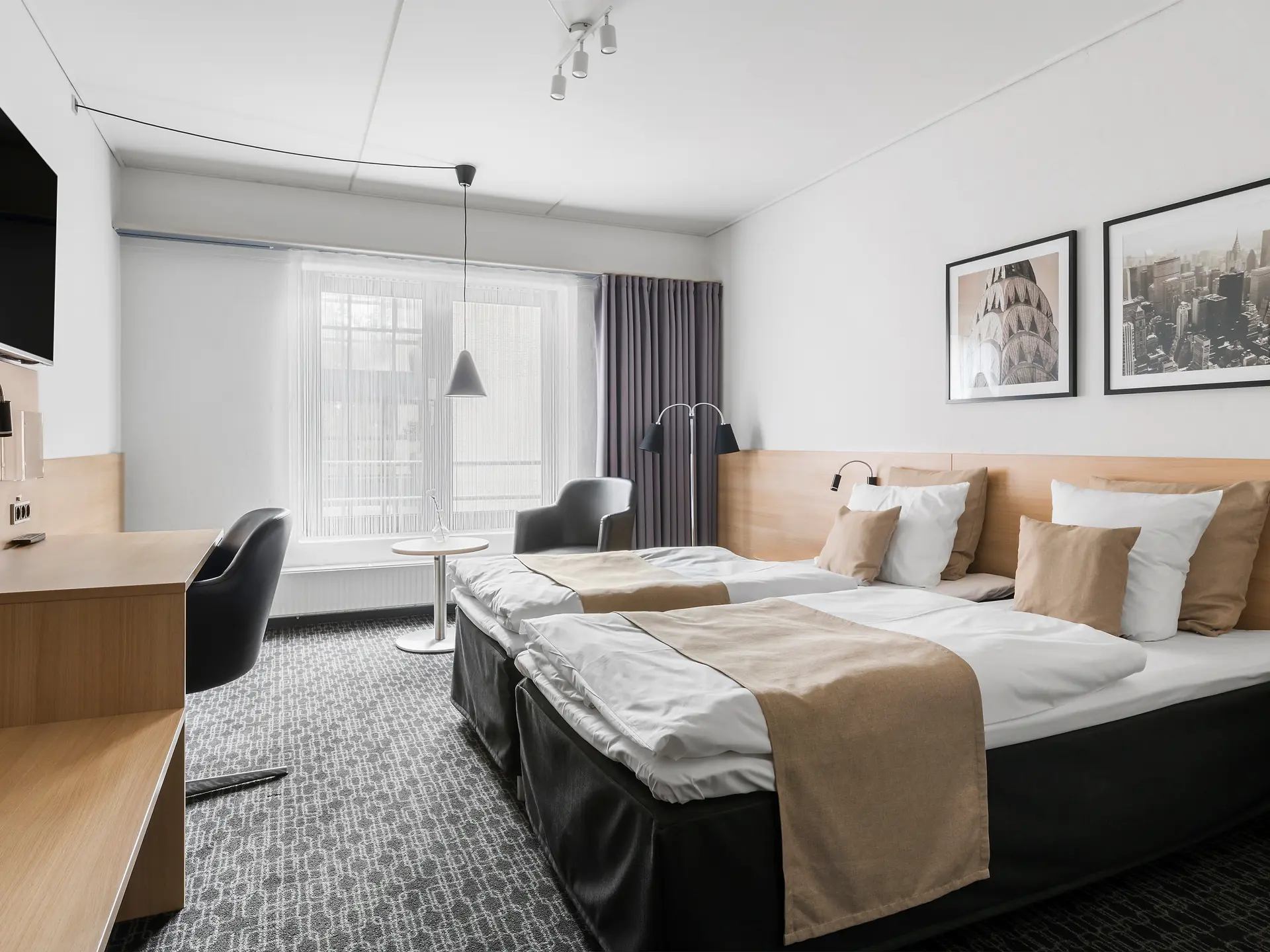
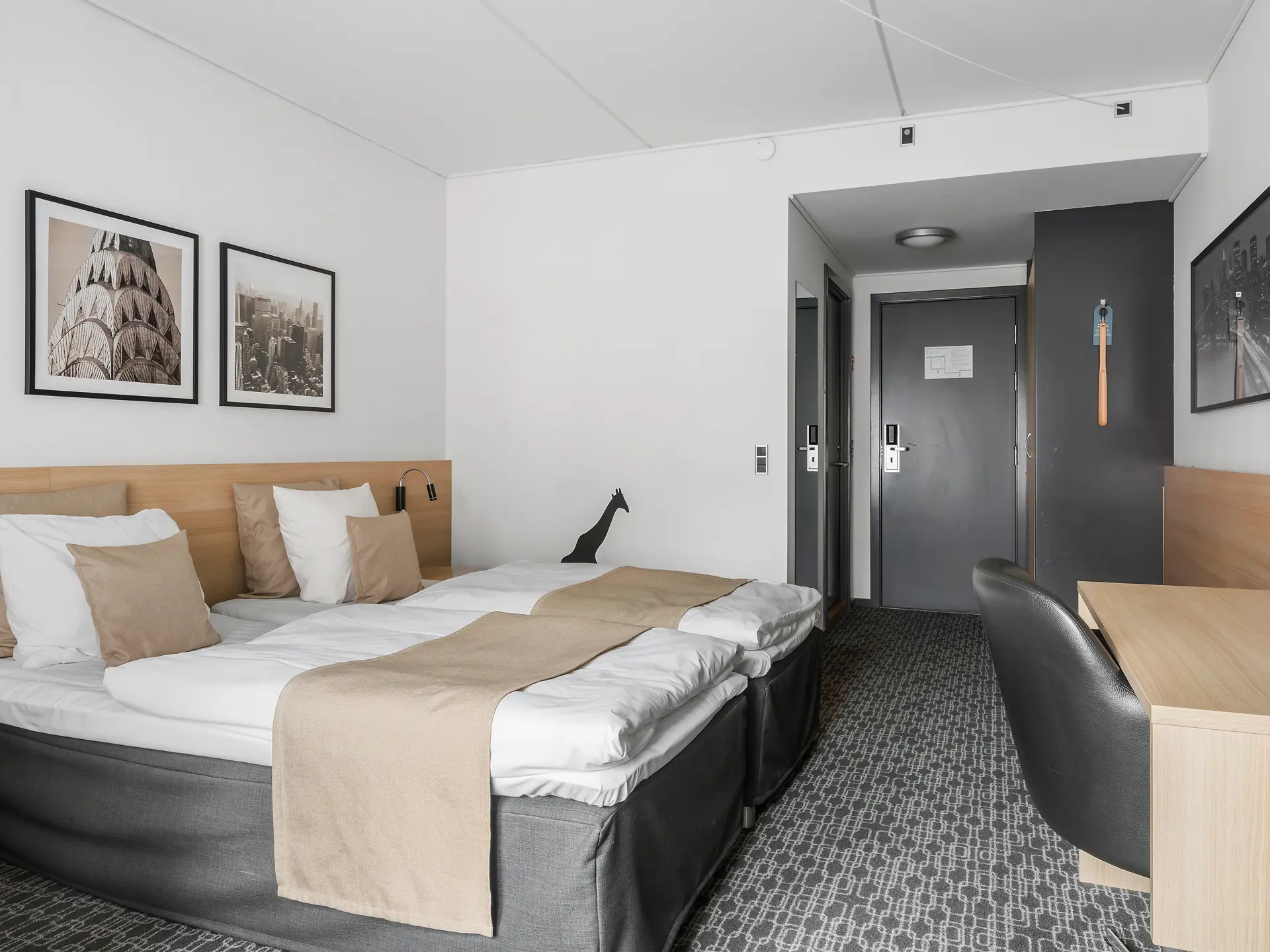
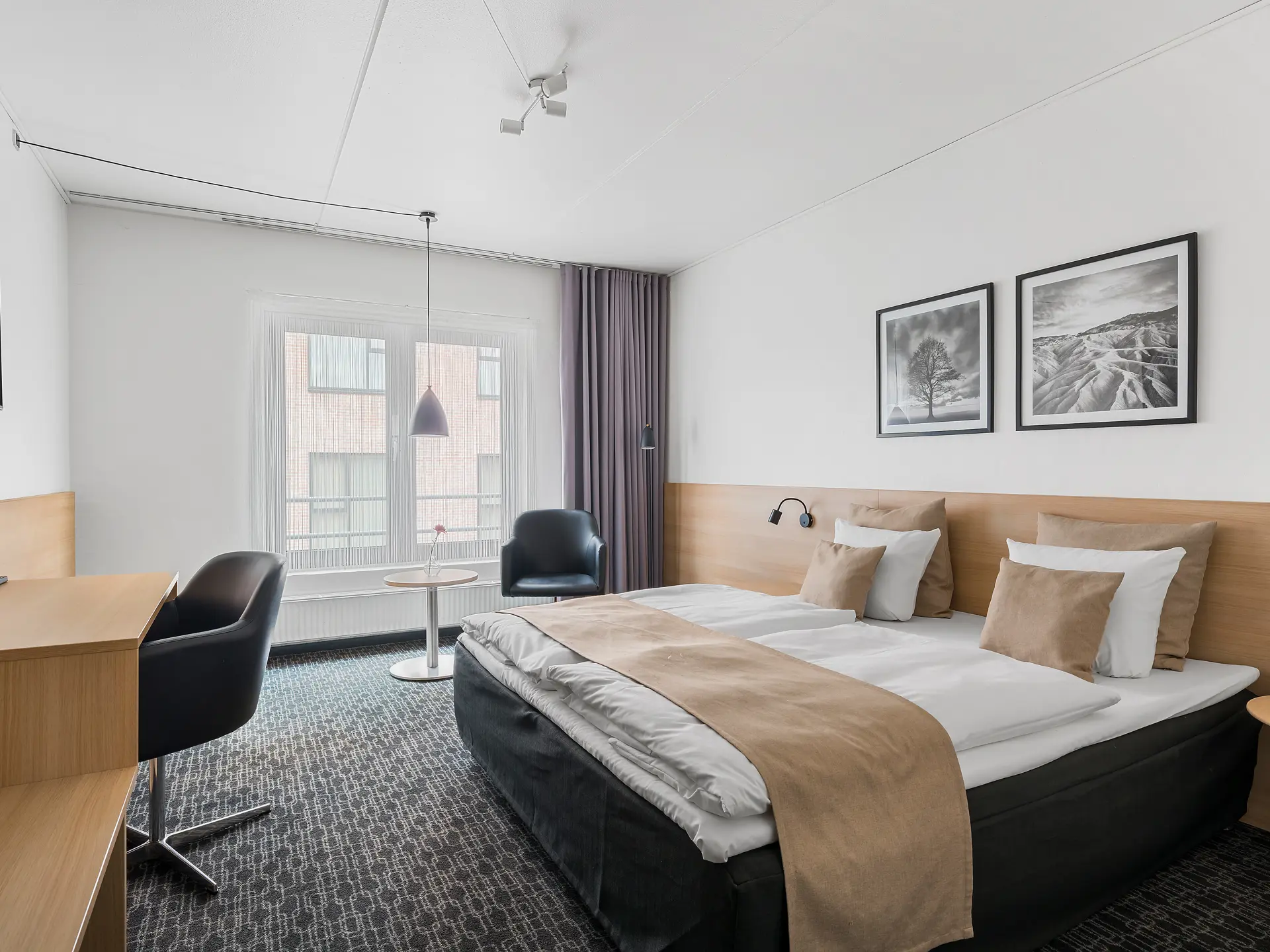
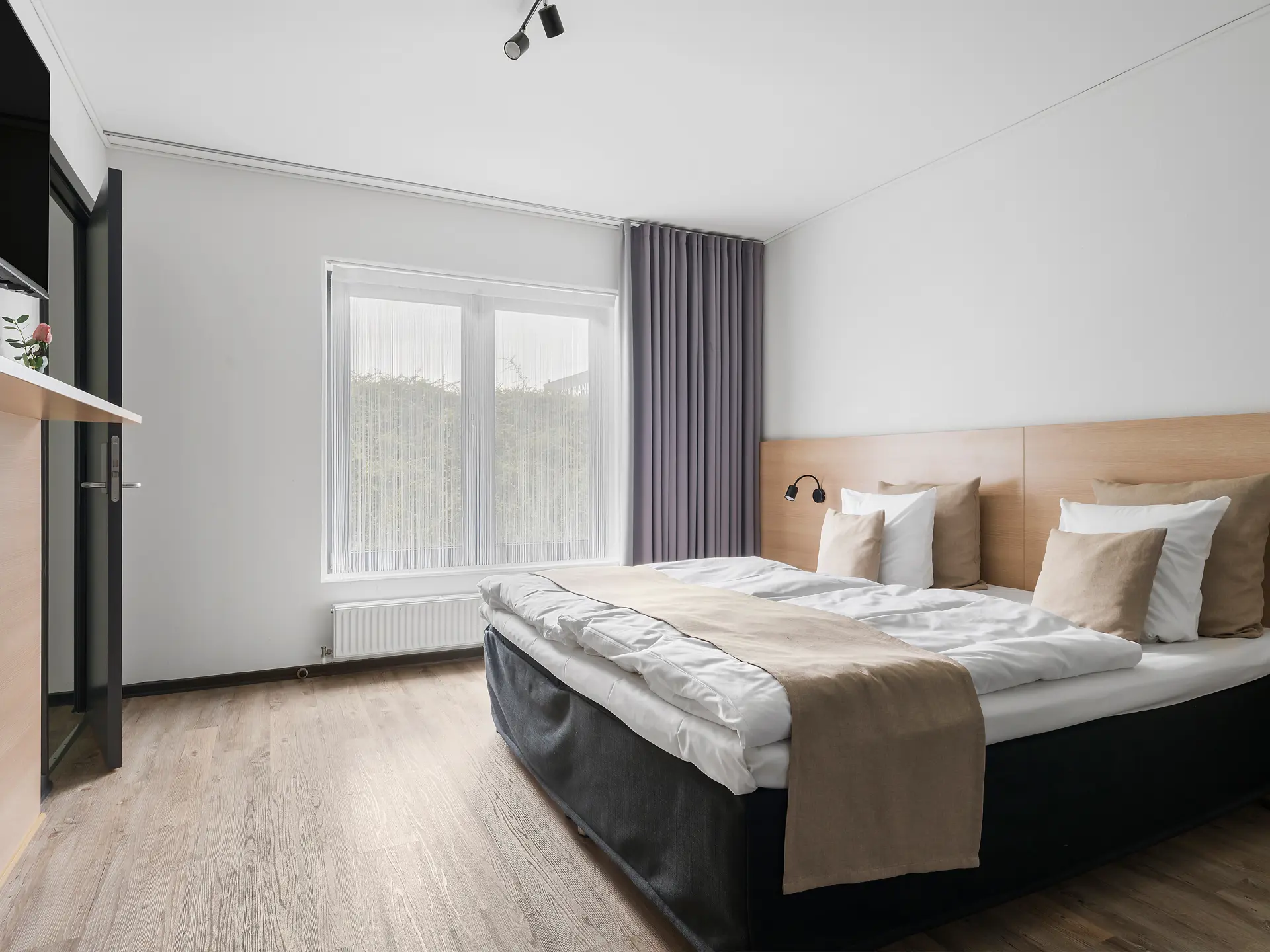
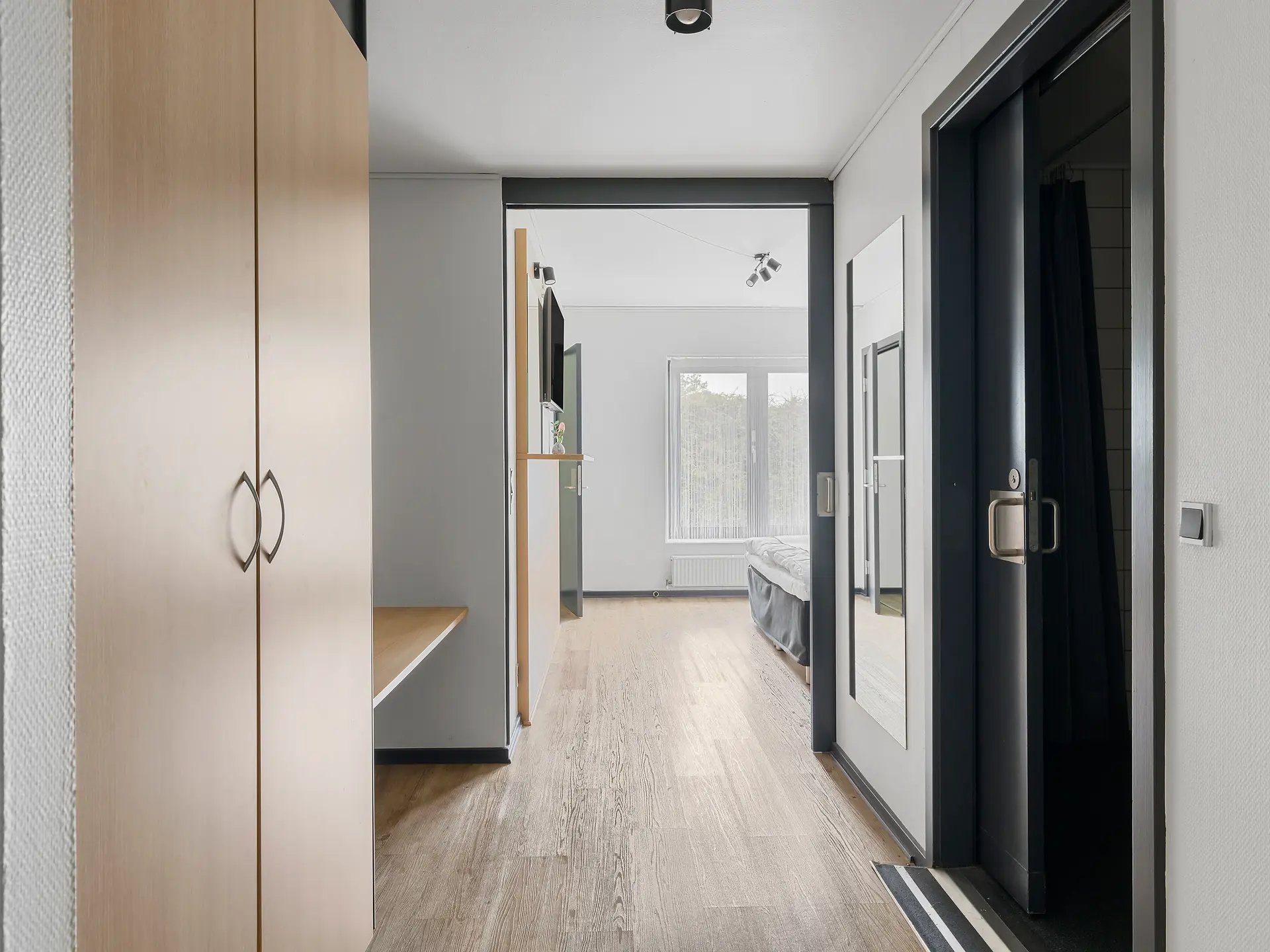
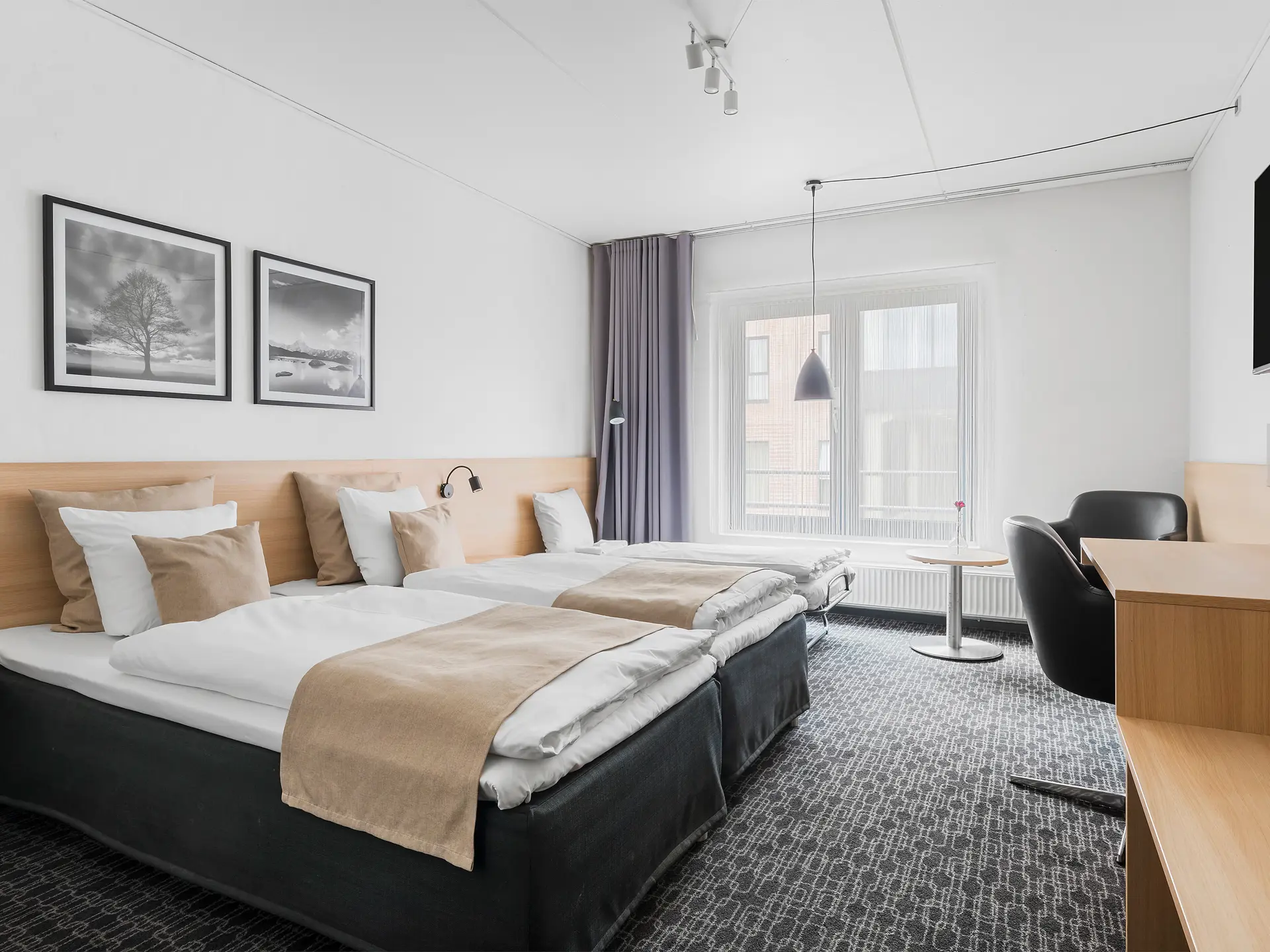
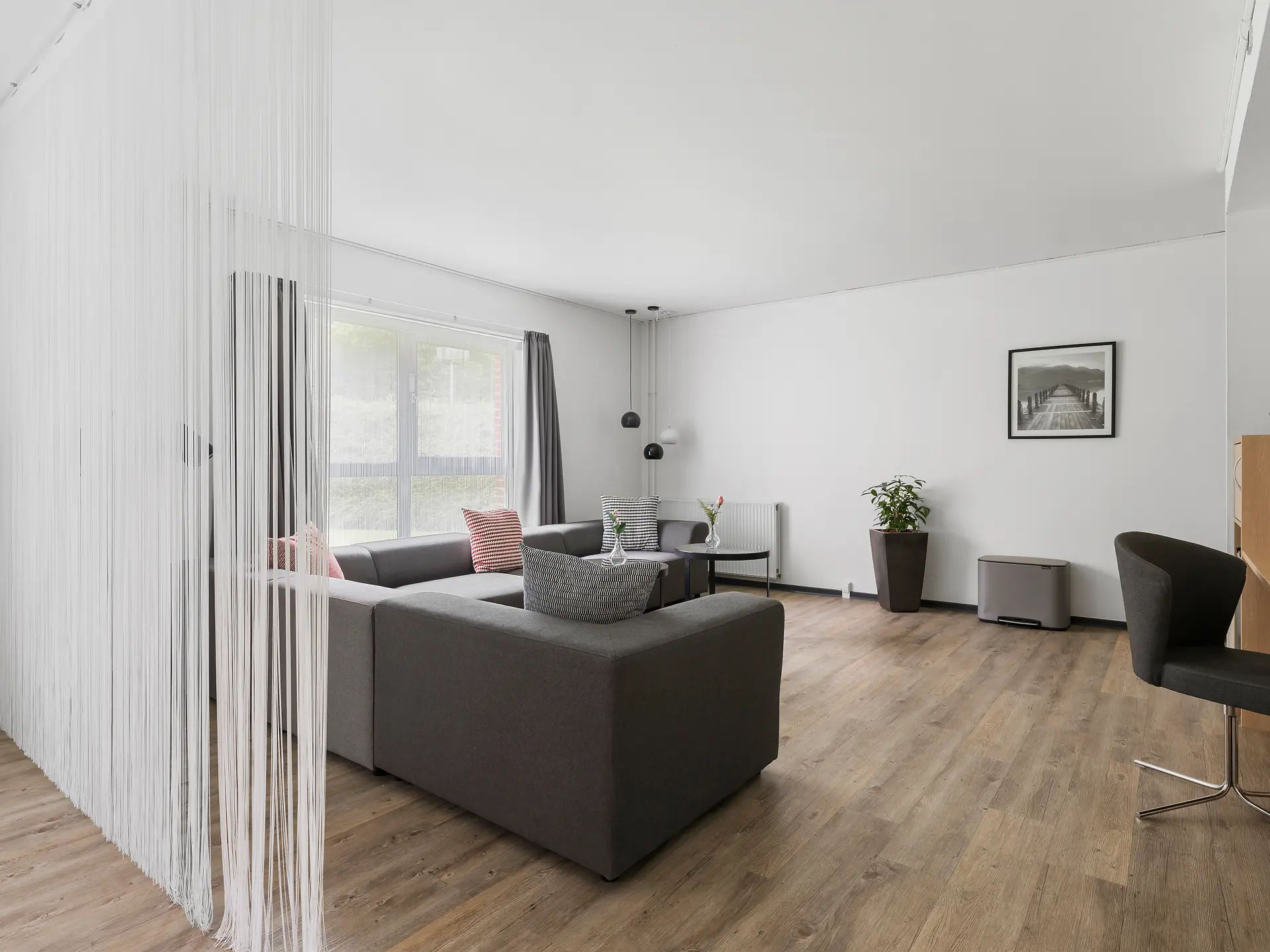
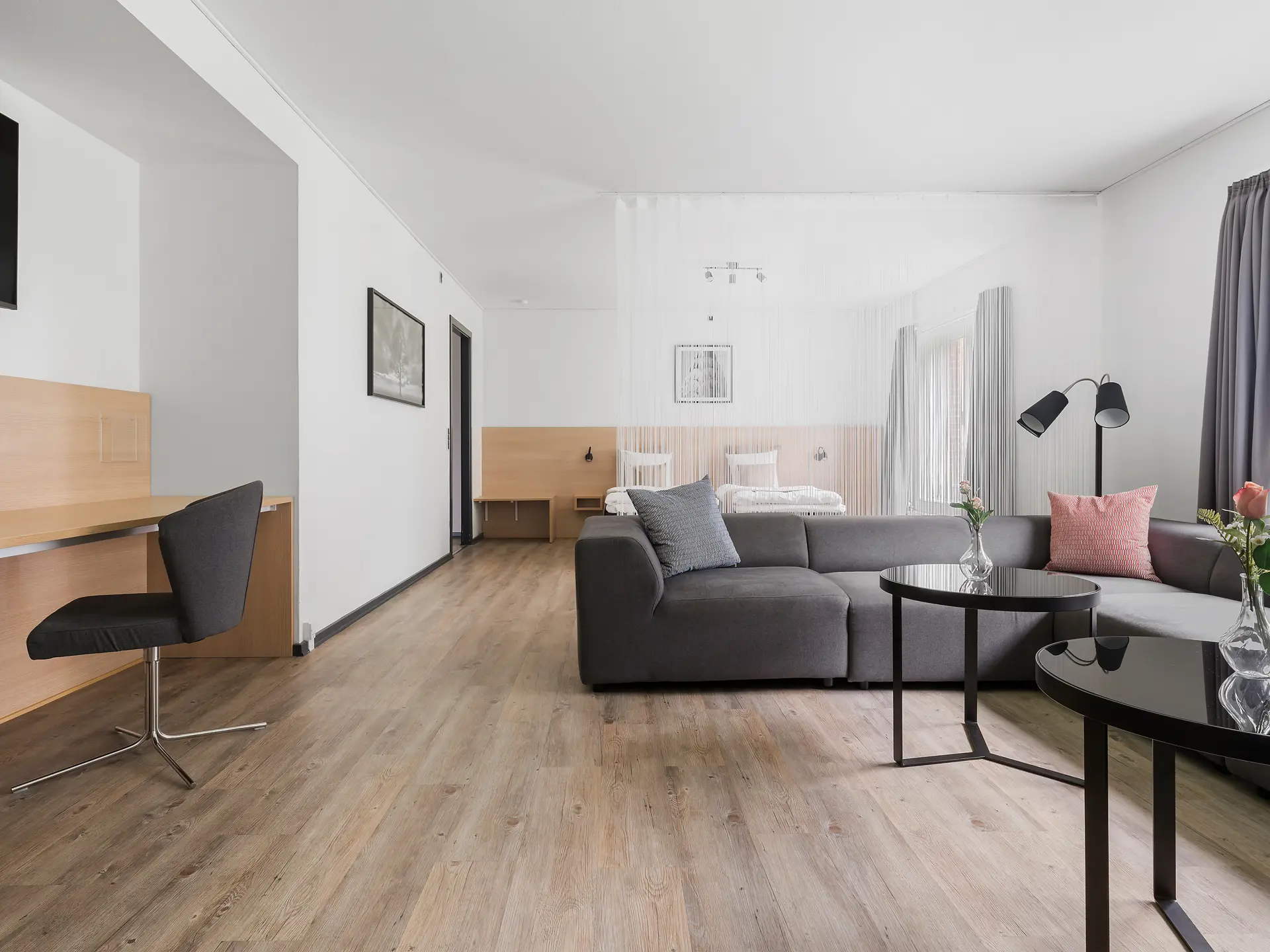
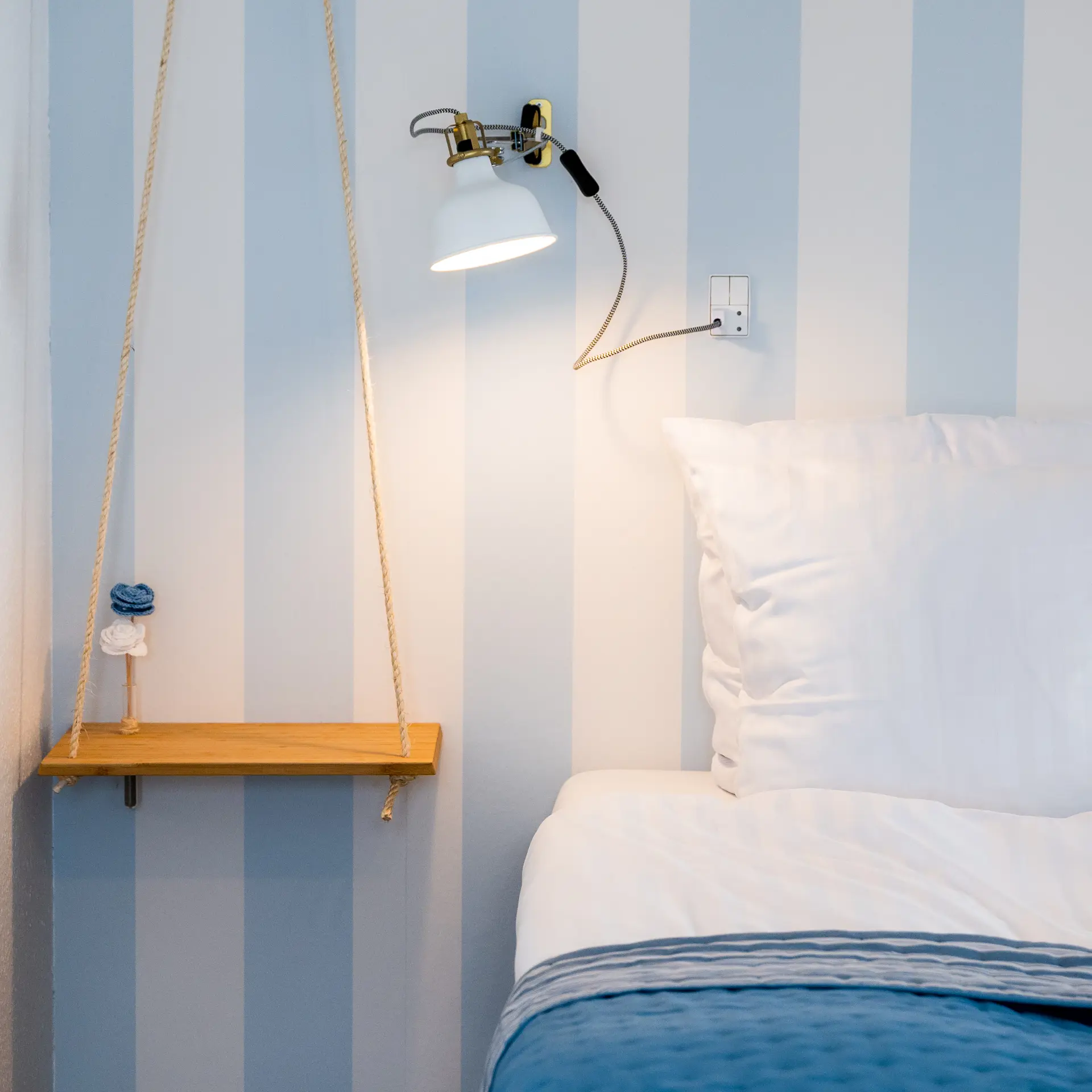
The hotel’s rooms are spacious and equipped with modern amenities that create a relaxing atmosphere, perfect for resting after a day of meetings or sightseeing. All rooms come with stylish decor in soft colors, free Wi-Fi, a TV with built-in Chromecast, as well as a workstation, making them suitable for both business travelers and tourists. For families, we also offer generous family rooms that ensure a comfortable stay for all guests.

Wellness and Fitness
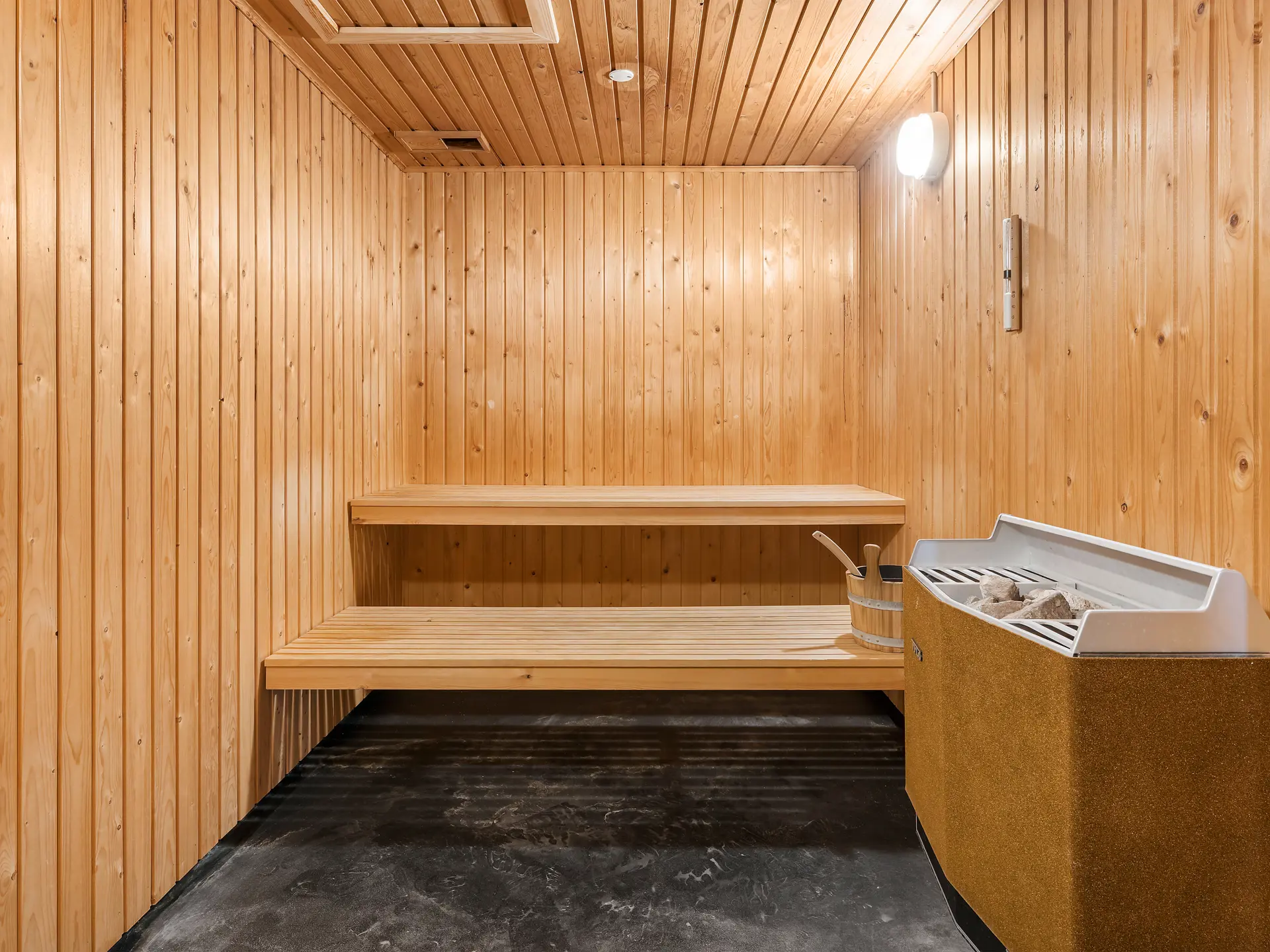
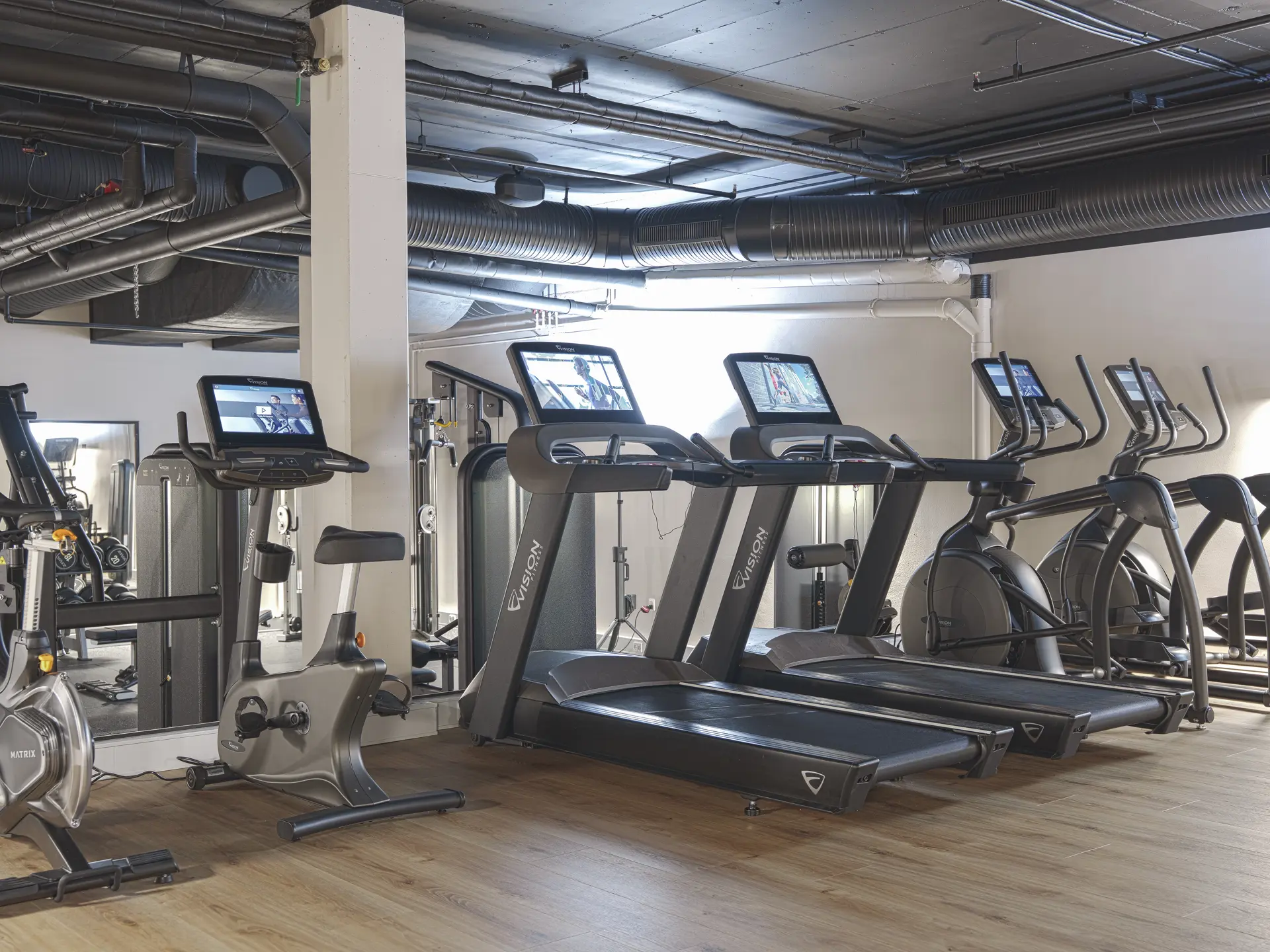
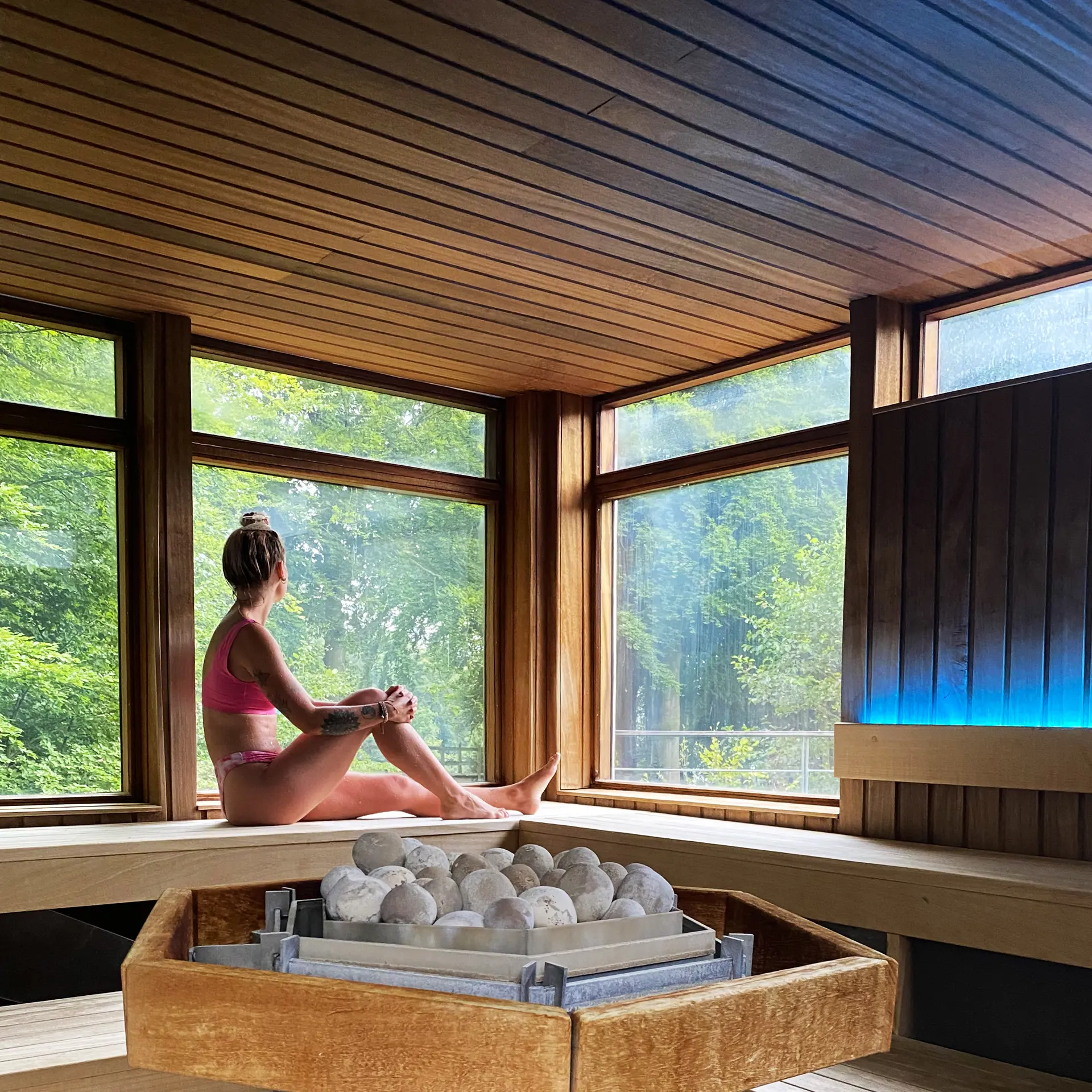
As a guest, you have access to the hotel’s sauna and fitness area, where you can find wellness and relaxation. If you prefer to be active outdoors, the reception can assist with finding running routes and trails, allowing you to experience the scenic surroundings through a run or walk.

Breakfast, Restaurant, and Lounge
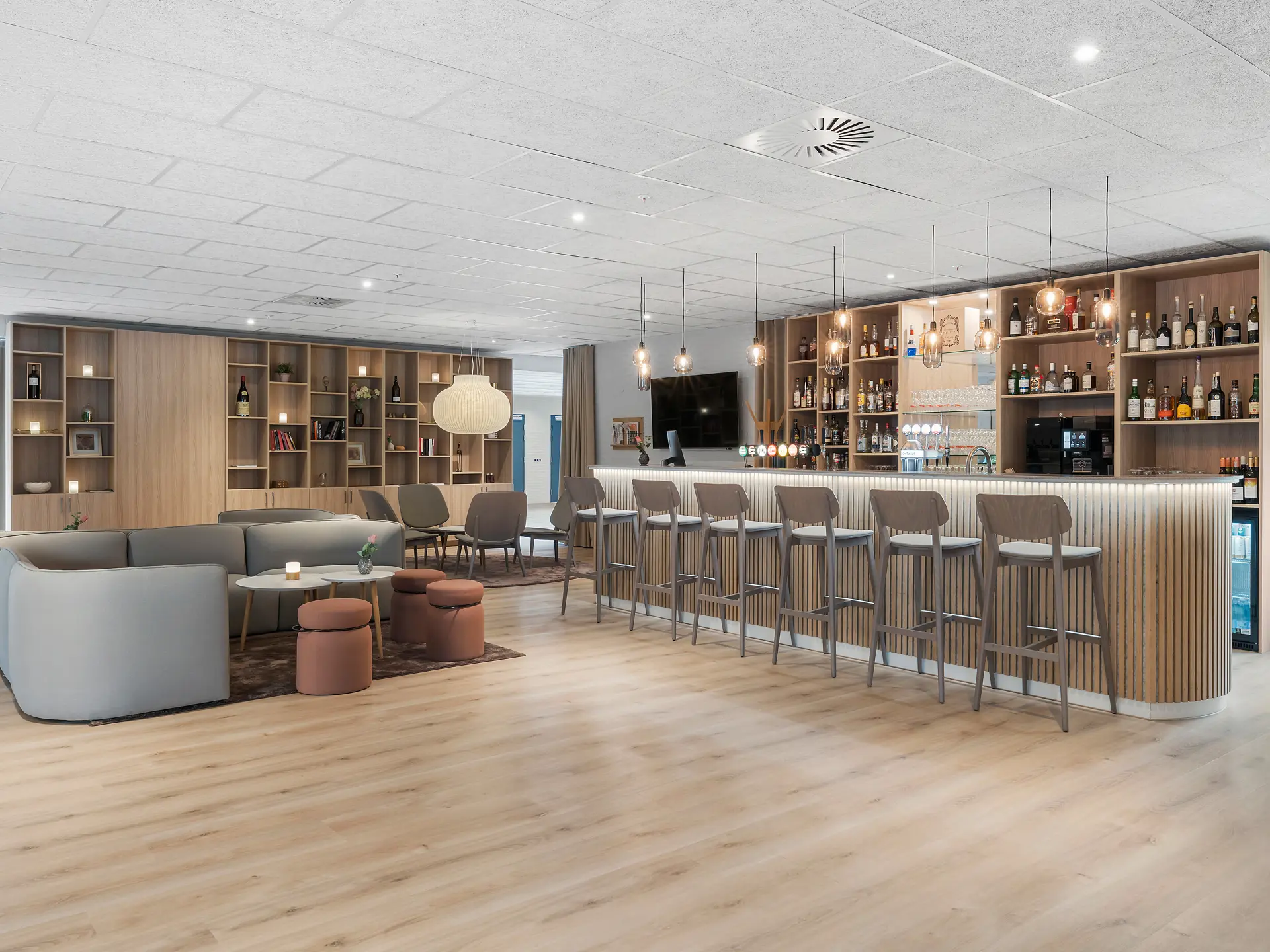
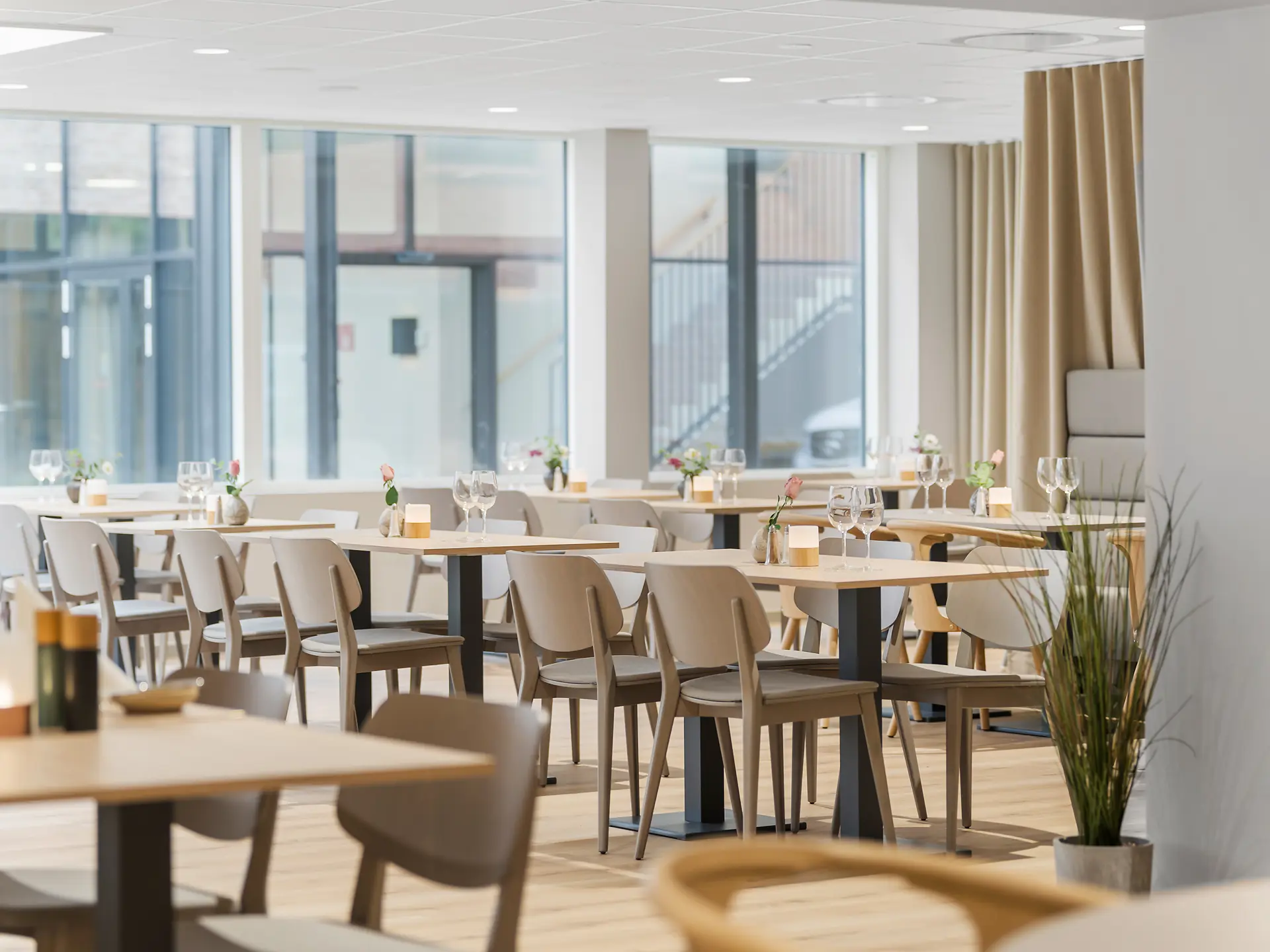
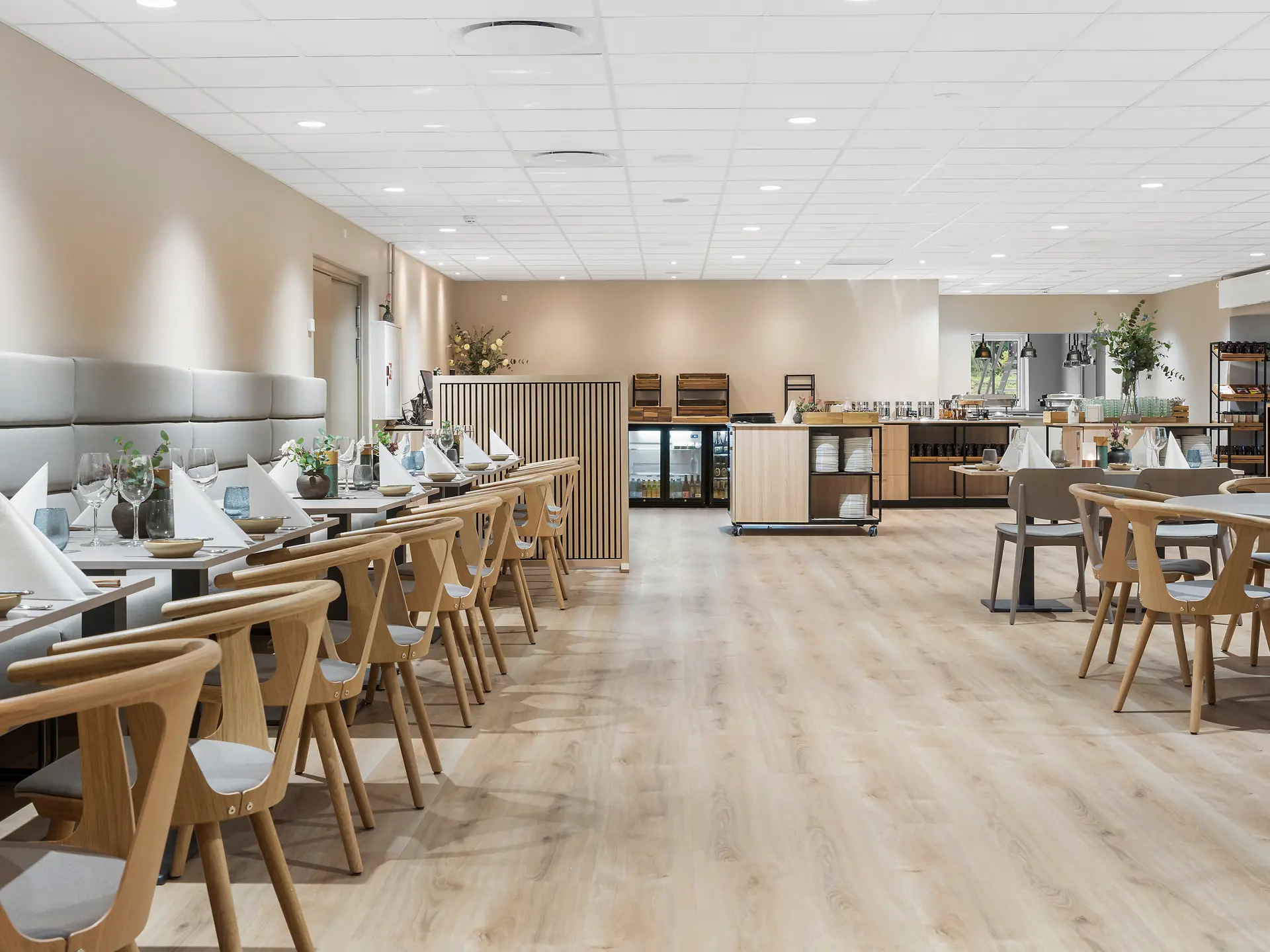
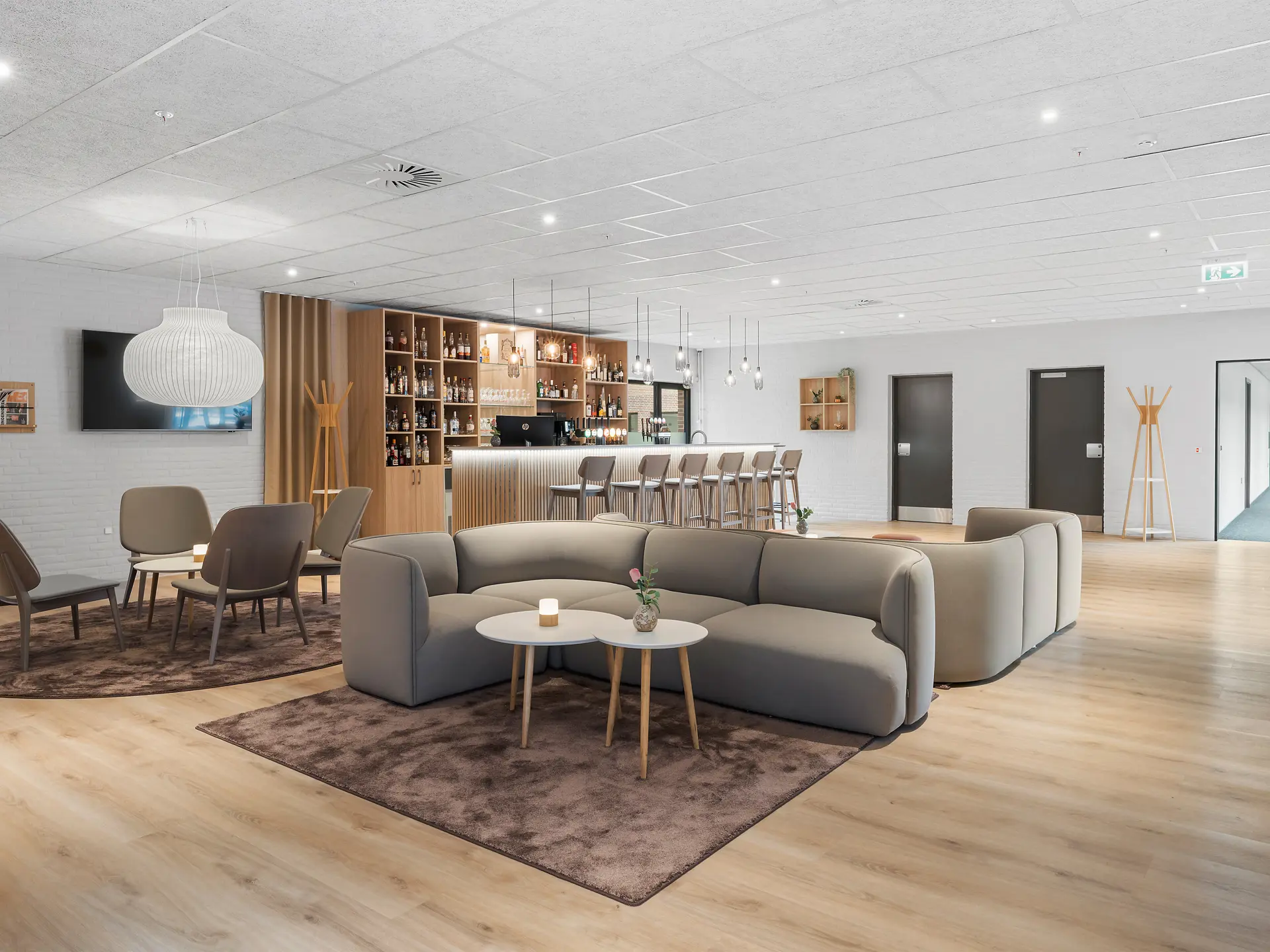
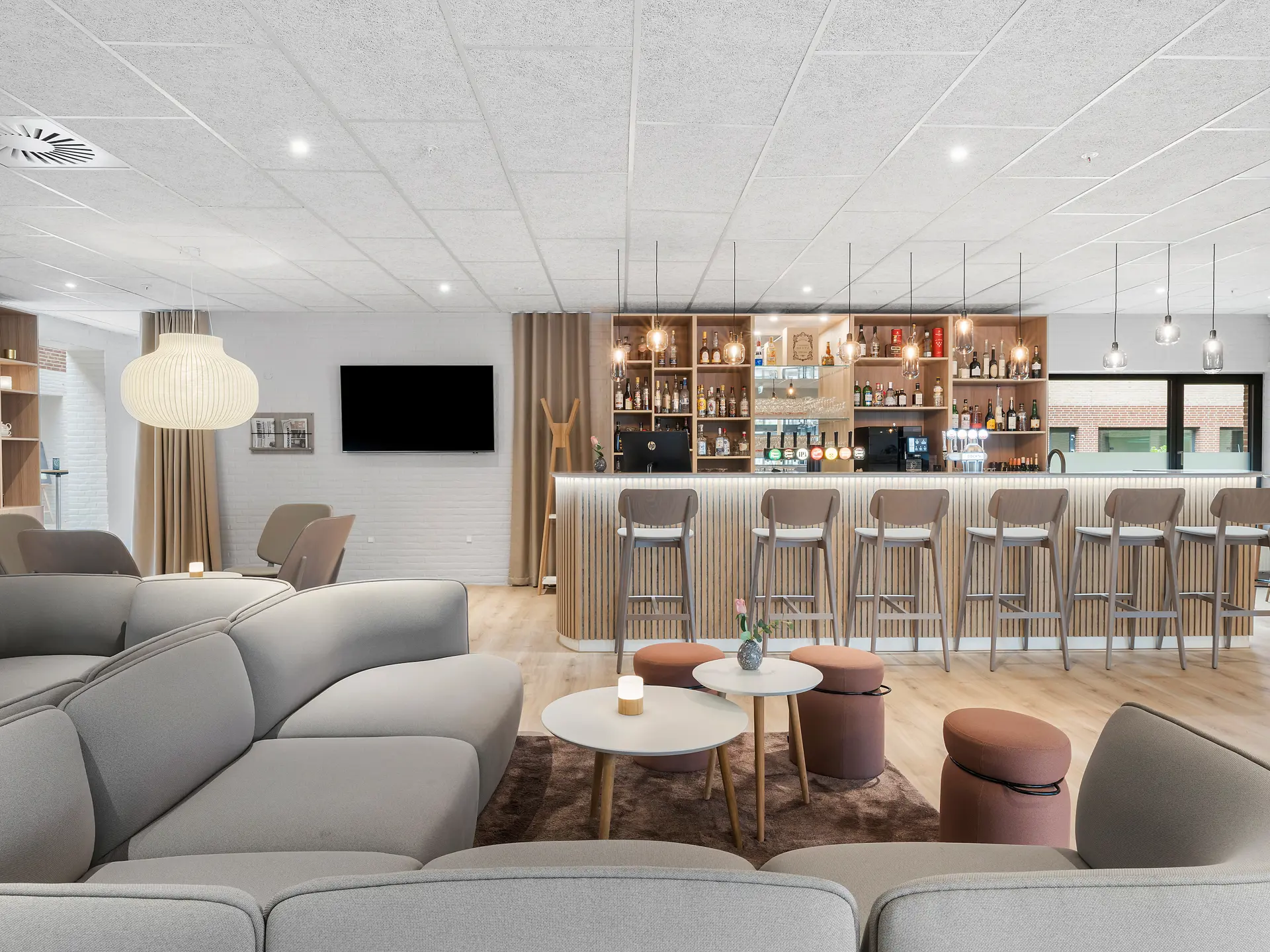
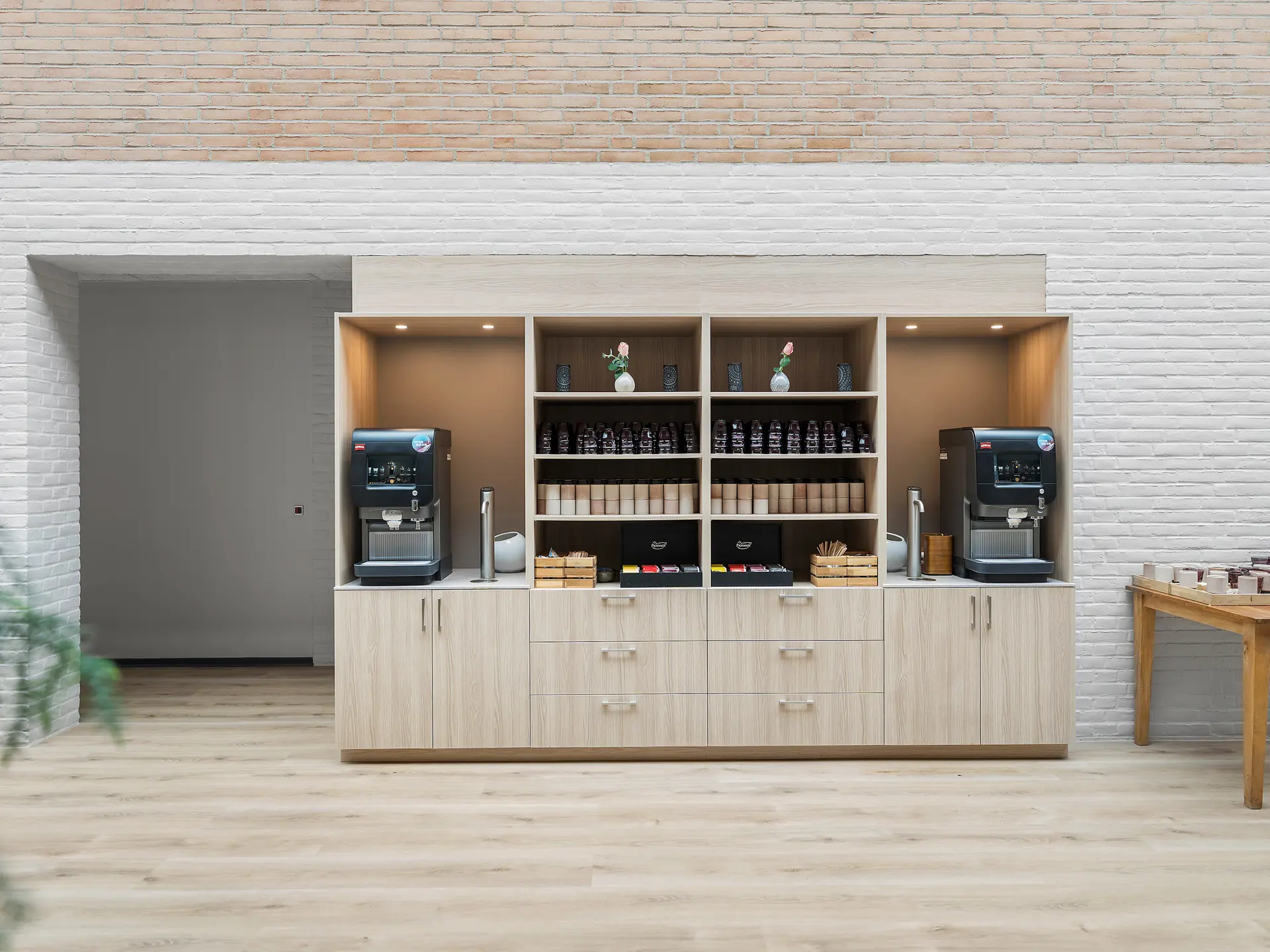
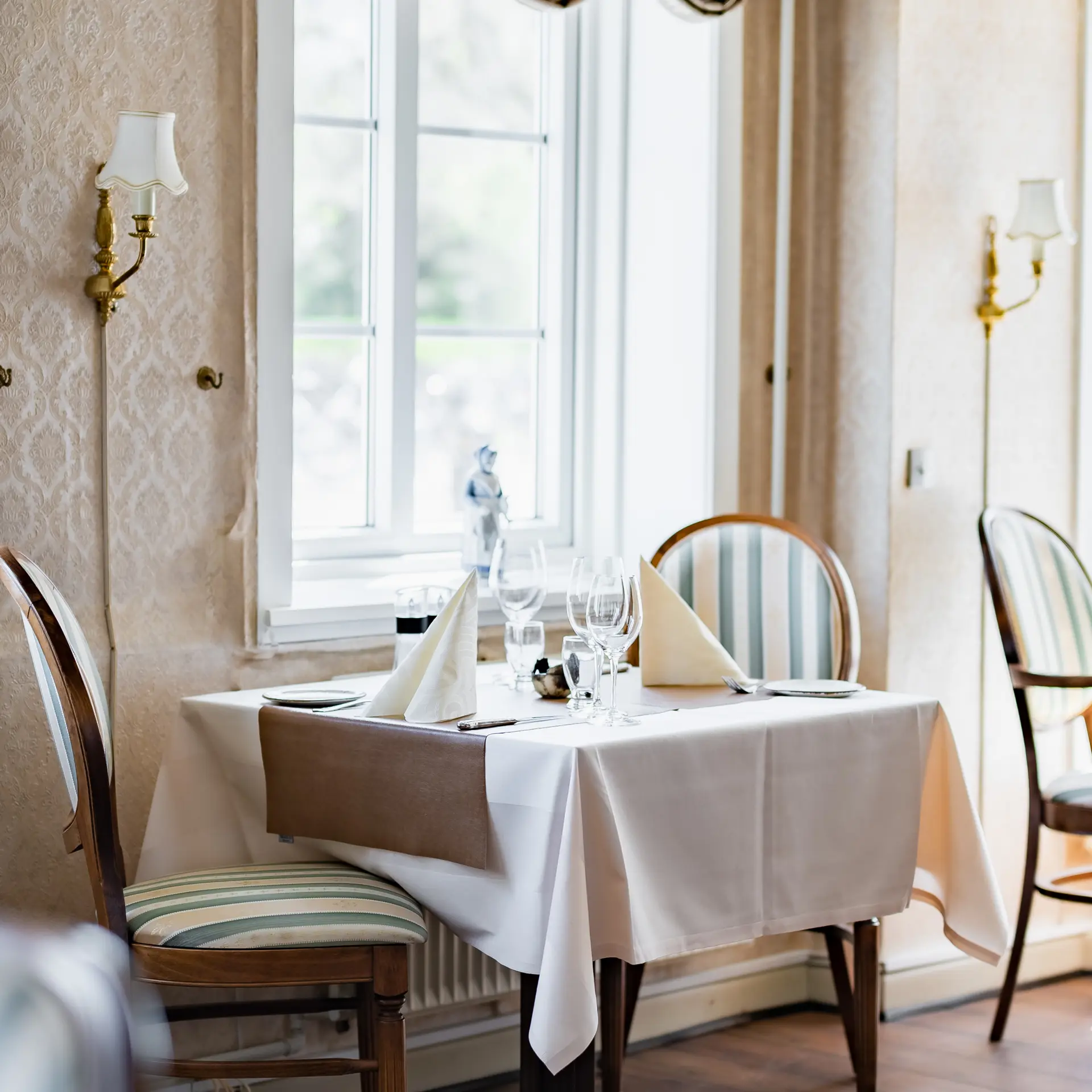
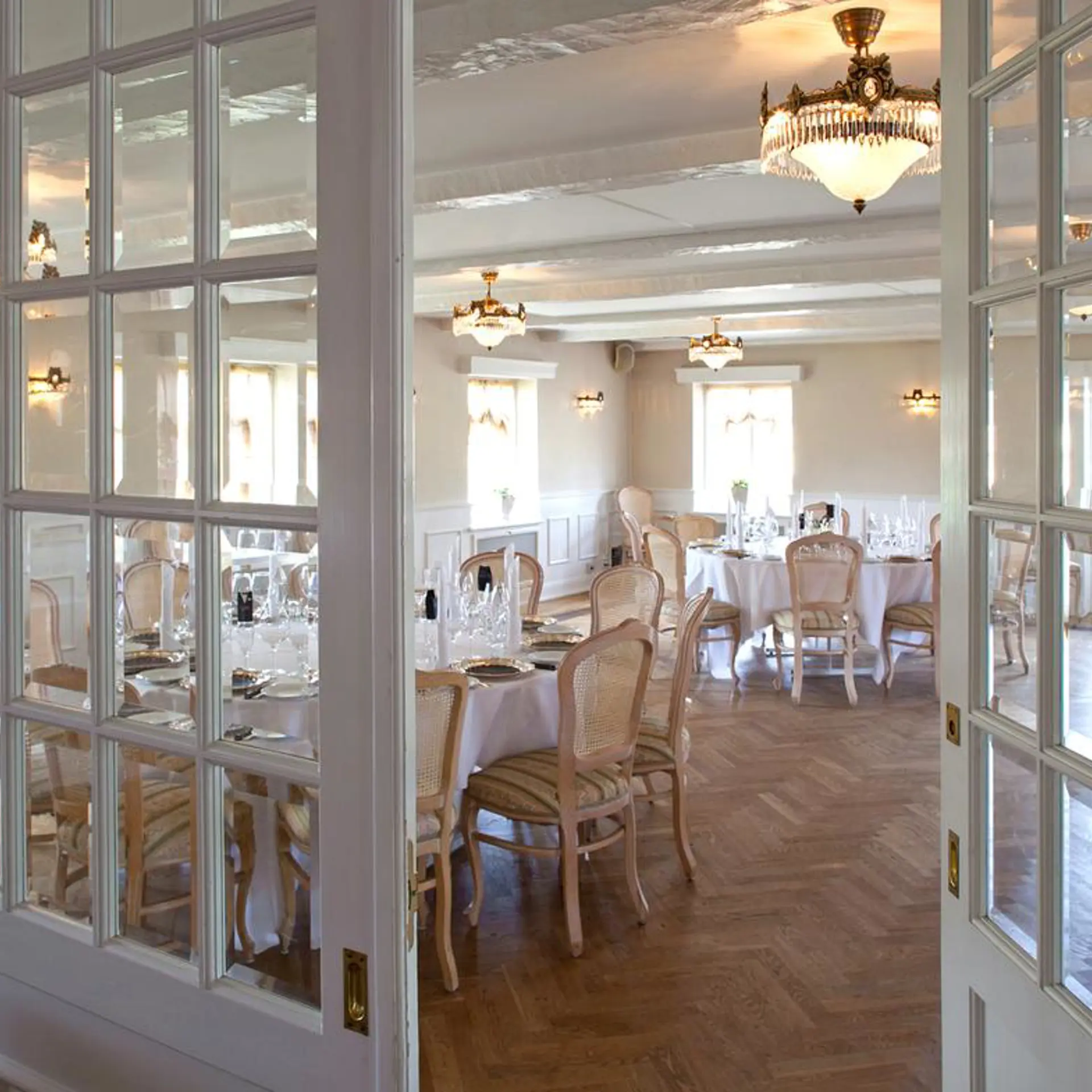
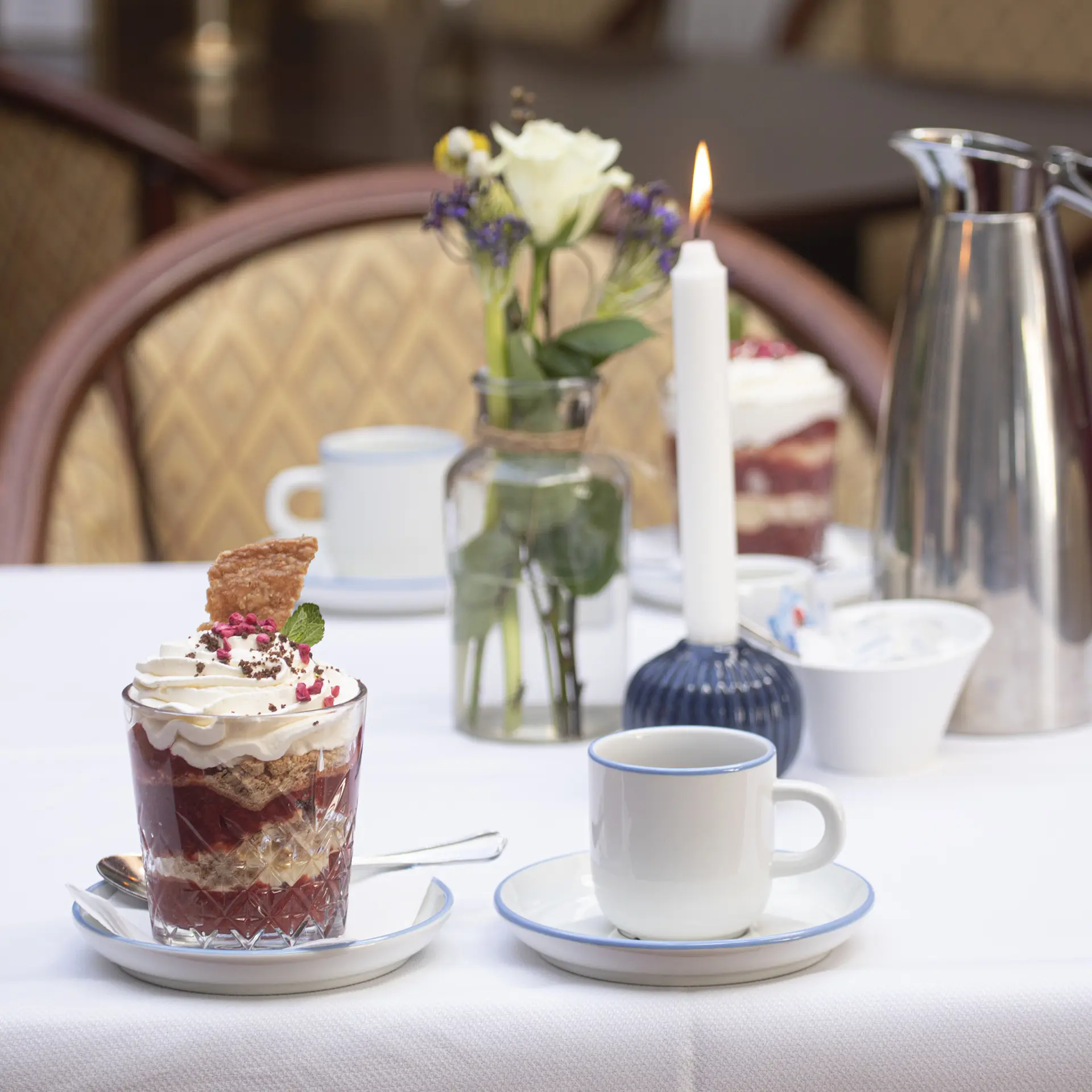
To kickstart your day, you can choose to add breakfast and enjoy a delicious breakfast buffet in Restaurant Fionie, which offers a varied selection of fresh, local ingredients. The restaurant also serves à la carte dinner, where Funen cuisine meets French elements. If you’re looking for a relaxing moment, the bar in the lounge area is a great place to enjoy cold drinks, snacks, tapas, and small fruit platters.

Centrally Located Between City and Nature
Funen is famous for its beautiful and green nature, with rolling landscapes and charming villages that include many cycling and hiking trails in Kohaveskoven and by the lakes. In addition to its scenic beauty, the island also offers a rich cultural life and family-friendly attractions. Visit the Rosengårdcenter for shopping and cinema experiences, or take the light rail to Odense Center, where Hans Christian Andersen was born. Experience the pedestrian street, the harbor, the outdoor swimming pool, the Hans Christian Andersen Museum, as well as many cultural events, shopping opportunities, and cozy cafés.

Attractions nearby of Hotel Odense - Partner Stays Hotel

  • Photo: Sofie Schäfler

    Kohaveskoven (Forest) in Odense

    1.55 km

    Exploring woodland and open landscapes

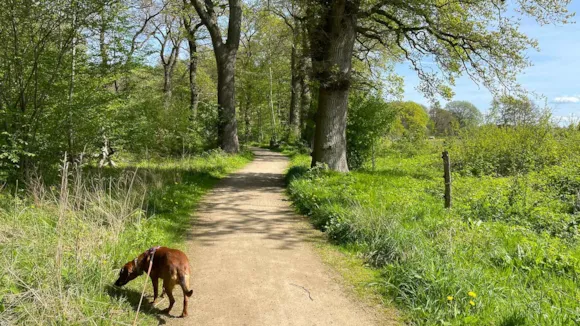
    A walk through Kohaveskoven offers far more than a typical woodland experience. The landscape shifts between mature forest, sunny clearings and grazed meadows, creating a diverse habitat for a wide range of plants and animals. One of the forest’s most distinctive features is its many broad-crowned oak trees, which allow sunlight to reach the forest floor, where shrubs, wildflowers and other native plants thrive.

    The network of trails makes it easy to explore the area, but you do not have to stick to them. Visitors are free to venture beyond the paths and explore the landscape at their own pace.

    Making room for nature

    If you're lucky, you may come across the free-roaming Galloway cattle and Exmoor ponies that live in the area year-round. There is no guarantee of spotting them, and that uncertainty is part of the appeal. They roam freely across the landscape, which makes spotting them along the way feel all the more special.

    The cattle and ponies also play an important role in shaping the landscape. Their grazing creates a varied environment that supports a rich diversity of plants, insects and other wildlife. As part of the ongoing restoration of Kohaveskoven, new ponds and open habitats have also been created to strengthen biodiversity even further.

    A forest shaped by history

    The name Kohaveskoven dates back to a time when livestock grazed among the trees. For centuries, the area has been part of the landscape around Åsum, and many of its old oak trees still bear witness to that long history. Today, Kohaveskoven is both a historic natural area and a place where nature is being allowed to flourish alongside the city.

    Read more : Kohaveskoven (Forest) in Odense
  • Photo: Gæsteatelier Hollufgaard

    Park Hollufgaard

    1.87 km

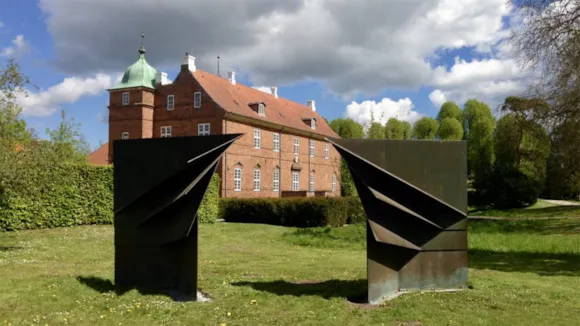
    Hollufgård park is open all year and offers many and varied art experiences outdoors. Please stop by and go for a relaxing walk in the beautiful, natural surroundings. The park itself is a fine example of a cultural and natural landscape with great diversity. 

    The garden itself was originally a Renaissance style garden - in the 18th century it was modernized according to the style of the time. You can still get a glimpse of the romantic garden style today, among others the old linden alleys are intact and the Snail mound (built in 1760) which contained the manor's wine cellar can also still be seen.

    Map of the area (pdf)

    Public Transport for Park Hollufgaard:
    Bus 26 dir. Fraugde


    Read more : Park Hollufgaard
  • Photo: Johan Joensen

    Odense Bunker Museum

    3.15 km

    A hidden world underground

    The approximately 500 m² bunker was built in 1954 as the command centre of the Municipality of Odense. In the event of war or another major crisis, the mayor and selected key personnel would have gathered here to coordinate the city's response. Designed to operate independently from the outside world, the bunker remained in use until as recently as 2007.

    Experience the Cold War up close

    As you move through the bunker, you will gain a unique insight into the emergency planning and realities that shaped life in Denmark during the Cold War. Many of the original rooms, installations and artefacts have been preserved, while the museum's exhibitions explore topics such as civil defence, the threat from the East and the preparations made by public authorities for a potential conflict.

    The museum offers a fascinating glimpse into a period when the threat of nuclear war influenced everyday life and municipal command centres like this one played a vital role in emergency preparedness.

    Hear the stories behind the concrete walls

    The guided tours take visitors through the bunker while bringing its history to life. Learn about the facility's purpose, the people who were expected to work here and the plans designed to keep the city functioning during a major crisis. Tours are included in the admission fee and provide valuable context for the many details found throughout the bunker.

    Practical information:

    • Guided tours take place twice daily and are included in the admission fee. Please visit the museum's website for current tour times.
    • The bunker is located beneath Kragsbjerggaard Hostel, Kragsbjergvej 121, 5230 Odense M.
    • There are 8 steps leading down into the museum from the car park. Inside the bunker, visitors will encounter a total of 5 raised door thresholds.
    • The museum is open on Saturdays and Sundays from 10 am to 4 pm (closed in December).
    Read more : Odense Bunker Museum
  • Photo: VisitOdense

    Munkebjerg Church

    3.42 km

    A different kind of church in Odense

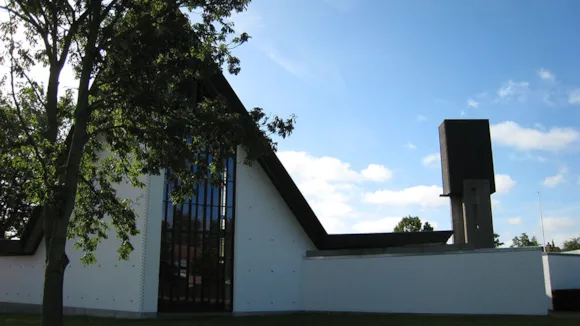
    When Munkebjerg Church was inaugurated in 1961, it looked very different from traditional Danish churches. Architects Erik and Ebbe Lehn Petersen chose a hexagonal floor plan, a dramatic slate roof, and a freestanding bell tower. While the design sparked debate when the church was first built, it is now regarded as a notable example of modern Danish church architecture.

    The interior also breaks with tradition. The space is broad and relatively short, while the pews are arranged diagonally to draw attention towards the altar. Wherever you sit, you remain close to the centre of the church. This creates a sense of intimacy that continues to shape the experience today.

    Art, light and materials

    The most striking artwork is the large stained-glass mosaic by artist Knud Lollesgaard, which forms the entire altar wall. Installed in 1983, the mosaic brings together architecture, light and symbolism in a single work of art. Its colours change with the daylight, giving the church interior a different character depending on the season and time of day.

    Look out for the interplay of white walls, exposed concrete beams, the granite altar and baptismal font, and the prominent wooden cross in front of the mosaic. These materials are central to the church's character and reflect the simple, robust architectural style that defined much of the 1960s.

    The church also features Skulptur 87, a sculpture that adds another artistic layer to the visitor experience. Together with the mosaic and the church furnishings, it demonstrates how art in Munkebjerg Church is not merely decoration but an integral part of the overall architectural design.

    A church interior shaped by the ideas of the 1960s

    Munkebjerg Church was created during a period when many new churches sought to bring congregations closer to the heart of worship. As a result, the traditional separation between nave and chancel is almost absent, and the entire space feels centred around the altar. The architecture reflects the idea of community rather than distance between clergy and congregation.

    Read more : Munkebjerg Church
  • Photo: Odense Kommune

    Botanical Garden

    3.43 km

    Inspiration for Garden Enthusiasts

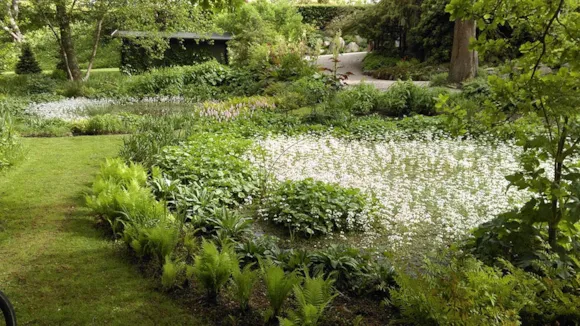
    If you enjoy gardening or landscape design, Kulturbotanisk Have offers plenty of ideas to take home. The garden features extensive collections of daylilies, cranesbills, ferns, and birch trees, along with a variety of heritage roses known for their fragrance and abundant blooms. Most plants are clearly labelled, making it easy to learn about their names, varieties, and origins.

    A visit is much more than a walk through a public park. You can study plants at close range, compare different varieties, and discover combinations that may inspire your own garden. Spring and summer are especially rewarding, when the garden is filled with colour and many of its collections are in full bloom.

    A Green Retreat by the River

    Located alongside the River Odense, the garden can be reached via scenic riverside paths. The combination of lush planting and natural surroundings makes it an ideal destination for a relaxing outing. Many visitors combine their visit with a walk or cycle ride along the river, while others arrive by canoe or kayak.

    At the same time, the garden serves as a public park, an outdoor learning space, and a place for recreation. Whether you are interested in photography, horticulture, or simply spending time outdoors, there is always something new to discover.

    From School Garden to Living Collection

    The garden was founded in the late 1940s by schoolteacher Arne Emdal and was originally known as the School Botanical Garden. Created to support botany education, the collection gradually expanded through plants gathered from many different regions. In 1998, it was renamed Kulturbotanisk Have, but its educational purpose and spirit of discovery remain unchanged.

    Today, the garden continues to bring together curiosity and a love of plants. For garden enthusiasts in particular, it remains a living source of inspiration where new colours, textures, and ideas emerge throughout the growing season.

    Read more : Botanical Garden
  • Photo: Simone Stæhr Keller

    The Funen Village - Open Air Museum

    4.2 km

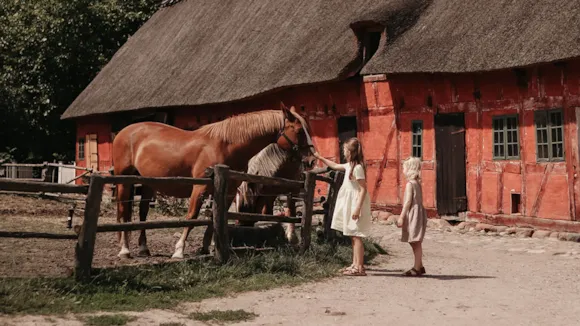
    All the buildings date from the 18th and 19th centuries and originally stood in different parts of Funen. Most are half-timbered and have thatched roofs. The village is surrounded by fields and gardens. In the stables, fields and pastures, you can meet the village animals and learn more about rural life and agricultural work in the past.

    An experience for the whole family
    The Funen Village has something for all the family, young and old. Children and young people under 18 don't have to pay admission, so get going! Throughout the season you can enjoy activities such as horse-drawn carriage rides, various village tales, travelling theatre and many other exciting activities. You can also learn how to milk cows, make clothes from flax, how honey is made in the village and much more. You can always find the whole year's programme here: www.denfynskelandsby.dk, so you can choose the activities you want to experience.

    History programmes and summer evenings
    When you visit the Funen Village, you can listen to stories told by the volunteers. They perform the roles of cooks, coachmen, field workers, candle drippers, goose maidens and other village residents. As you listen to the stories, you can watch the characters as they go about their daily chores. This creates a unique and special atmosphere for you to experience what it was like to live in the 18th century. In addition to the many volunteers and activities, the Funen Village is open every Thursday in July, where you can enjoy the summer atmosphere of the village.

    Read more : The Funen Village - Open Air Museum
  • Photo: Rico Feldfoss

    The Forest Lake, Fruens Bøge

    4.31 km

    A lake full of small discoveries

    Skovsøen is a popular destination for both locals and visitors looking for green surroundings close to the city centre. The paths around the lake are ideal for a peaceful walk, while the shoreline offers plenty of opportunities to watch life on the water. Ducks, gulls and other bird species can often be seen here, and the lake’s fountain serves as a natural focal point in the landscape.

    During summer, many people gather around the lake to enjoy the green surroundings, and throughout the year it remains a natural meeting place in Fruens Bøge. The lake is also close to Engen, an open green space that has hosted events and community activities for generations of Odense residents.

    Surrounded by the greenery of Fruens Bøge

    Skovsøen forms part of Fruens Bøge, one of Odense’s most popular recreational areas. A visit to the lake can easily be combined with a trip to The Funen Village, a coffee at Café Velodrom in Fruens Bøge Station, or a walk through the surrounding woodland.

    The lake is also closely connected to the Odense River, which winds its way through the area. From here, visitors can experience the city from the water on a canoe trip, while the river itself is home to fish and wildlife living just beneath the surface.

    History and nature beneath the surface

    Skovsøen was created during the First World War as an employment project and has since served as a recreational gathering place for the city’s residents. The lake’s distinctive fountain was later donated to Odense as part of the city’s 1,000th anniversary celebrations and continues to help oxygenate the water.

    The Odense River is much more than a scenic feature of the landscape around the lake. Sea trout pass through this stretch of the river on their way to upstream spawning grounds, and on calm summer evenings you may be lucky enough to spot rings on the water as brown trout rise for insects. It is details like these that make a walk around Skovsøen more than just a stroll around a lake.

    Read more : The Forest Lake, Fruens Bøge
  • Photo: Johan Joensen

    The City Tree

    4.39 km

    Street art inspired by its surroundings

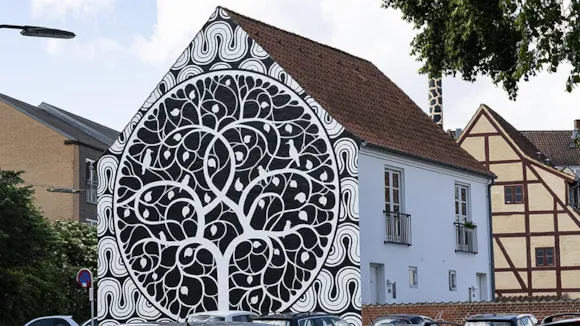
    You'll find Byens Træ at Christiansgade 20, where the gable faces a green area beside the Odense River. Artist No Title has said that he had long wanted to create a work for this particular location, as the setting offered a unique opportunity to let art and nature interact.

    It is no coincidence that the artwork takes the form of a tree. Designed as a visual extension of the surrounding landscape, it reflects the trees that line the river and brings a touch of nature into the city streets.

    A mural full of details

    At first glance, the motif seems simple, but a closer look reveals a wealth of details. The stylised tree spreads its branches across the entire wall, with birds and leaves tucked among them. Behind the tree, a flowing wave pattern adds depth and movement to the composition.

    The striking black-and-white design is inspired by the traditional art of paper cutting. Its strong contrast makes the mural stand out from afar, while the tree itself is a symbol found in cultures and stories around the world. That openness gives visitors plenty of room for their own interpretations.

    Discover more outdoor art in Odense

    After visiting Byens Træ, continue exploring Odense's many murals and street art installations. Be sure to stop by No Title's artwork Byfisk: Odense Å in Eventyrhaven, and include Byens Træ as part of your own art walk through the city.

    Across Odense, façades, walls and public spaces have become canvases for artists. Best of all, these outdoor artworks can be experienced free of charge throughout the year. You can find an overview on our website.

    Read more : The City Tree
  • Photo: Joan Jensen

    Frederik's Bridge

    4.47 km

    Denmark’s first cast-iron road bridge

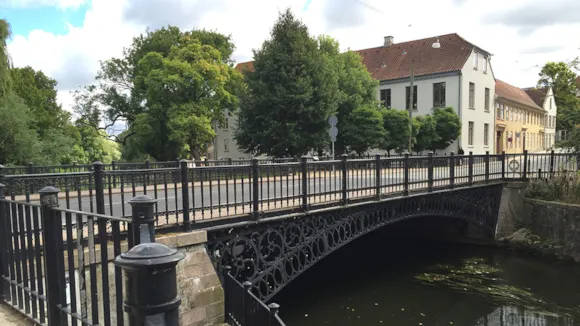
    What makes Frederiksbroen special is not its size, but its story. The bridge was built to replace the older Møllebro and was cast at M.P. Allerup’s iron foundry in Odense. When it was completed in 1844, it represented a technological breakthrough and became Denmark’s first cast-iron road bridge.

    The bridge is named after Crown Prince Frederik, later King Frederik VII, who at the time served as Governor of Funen and resided at Odense Castle. At the inauguration on 6 October 1844, both the Crown Prince and King Christian VIII were present, becoming the first to cross the new bridge by carriage.

    Although the roadway has since been modernised, the characteristic cast-iron elements and railings have been preserved. As a result, Frederiksbroen remains a visible reminder of Odense’s early industrial development. For visitors, it is also an opportunity to experience one of the city’s historic landmarks up close along the Odense River.

    See the bridge from the riverside path

    What sets Frederiksbroen apart from other bridges in Odense? It is the combination of historical significance and a location that lets you experience the structure at close range. From the street, the bridge appears as a natural part of the city’s traffic network, but the riverside path along the Odense River offers the best view of its elegant cast-iron details.

    Stairways connect the path to the bridge, making it easy to move between the river and the city streets. From here, you can enjoy views of the water, the surrounding buildings and one of the historic structures that helped shape the city.

    For many people, Frederiksbroen is simply a bridge they cross on their way through the city centre. But if you take a moment to stop and look around, you will discover a piece of Odense’s history that is still connecting the city across the river almost 200 years after its inauguration.


    Read more : Frederik's Bridge